In a move that promises to fundamentally reshape the landscape of digital broadcasting, the Fox Corporation—the media empire now spearheaded by CEO Lachlan Murdoch—has announced its intention to acquire the streaming and hardware giant Roku, Inc. Valued at approximately $22 billion, the transaction represents a strategic pivot for the Murdoch family, signaling an aggressive push to bridge the gap between traditional broadcast dominance and the rapidly evolving "connected TV" (CTV) ecosystem.
This acquisition, confirmed by both parties on Monday, is more than a simple corporate expansion; it is an attempt to marry Fox’s powerhouse content portfolio—which includes the ubiquitous Fox News and the expansive Fox Sports network—with the technological infrastructure that dictates how millions of households consume media today.
The Strategic Logic: A Collision of Content and Infrastructure
For decades, the Murdoch media empire has thrived on the power of linear television and cable carriage fees. However, as cord-cutting continues to erode traditional cable subscribers, media conglomerates have been forced to look toward digital-first strategies. By acquiring Roku, Fox is not merely buying a brand; it is acquiring the "gatekeeper" of the living room.
Roku, known for its intuitive interface and its hardware—ranging from streaming sticks to integrated smart TV software—serves as the primary portal for millions of viewers. By integrating its own content, including the ad-supported streaming service Tubi, directly into the Roku operating system, Fox aims to secure a dominant position in the viewer’s user experience.
The companies described the merger as the birth of a "next-generation media and technology company." By combining Fox’s "leading sports, news, and entertainment content" with what they describe as the "leading connected TV platform," the entity claims it will have a direct, data-rich pipeline to over 100 million streaming households worldwide.
Chronology of a Media Shift
The journey toward this $22 billion deal did not happen in a vacuum. To understand the significance of this moment, one must look at the recent history of both the Murdoch family and the streaming sector.
- 2019-2020: As streaming adoption accelerated, Fox Corporation spun off its major entertainment assets to Disney, focusing its own future on live news and sports. This left the company with a "lean and mean" portfolio, but one that lacked a proprietary digital distribution platform.
- 2023-2024: Internal dynamics within the Murdoch family reached a critical juncture. Following a period of well-publicized family friction, Lachlan Murdoch solidified his position as the undisputed successor, taking the helm of the parent company and signaling a desire to modernize Fox’s digital footprint.
- Late 2024: Informal discussions between Fox and Roku began, driven by the realization that independent streaming hardware platforms were becoming prime acquisition targets for content-heavy media groups.
- Monday Announcement: The formal agreement was finalized, valuing Roku at $22 billion and setting the stage for one of the largest media mergers of the decade.
Financial Structure and Equity Distribution
The complexity of the deal is reflected in its financing structure. Rather than a pure cash buyout, the companies have opted for a hybrid approach involving a combination of cash reserves and a significant stock swap.
Under the terms of the agreement, the equity distribution in the newly merged entity will be skewed toward the incumbent Fox shareholders. Once the transaction is finalized, existing Fox Corporation shareholders are expected to retain roughly 73% of the combined company, while Roku shareholders will account for approximately 27%.
This arrangement is designed to provide Fox with the necessary leverage to maintain control while compensating Roku investors for the strategic value of their platform. Analysts suggest that the deal provides Roku with the financial backing of a global media giant, while Fox gains the technical agility it previously lacked.
The "Open Platform" Promise: A Balancing Act
One of the most significant concerns raised by industry observers is the future of Roku’s neutrality. Historically, Roku has succeeded because it acts as a Switzerland of streaming—it hosts competitors like Netflix, Disney+, and Amazon Prime Video without prioritizing its own content to the detriment of others.
In the joint press release, both companies were quick to assuage these fears, explicitly stating that Roku would continue to operate as an "open, partner-friendly platform." This is a crucial distinction; if Roku were to suddenly pivot to a "walled garden" approach, it would risk losing the vast majority of its user base, who value the platform for its variety.
However, critics remain skeptical. "The challenge for the new management team will be to increase monetization for Fox properties without degrading the user experience for those who use Roku for everything else," said one industry analyst. Whether this "partner-friendly" pledge survives the pressures of corporate bottom-line mandates remains the primary question for investors.
Implications for the Streaming Market
The implications of this merger extend far beyond the two companies involved.
1. The Death of the "Pure Play" Hardware Maker
For years, Roku survived as an independent entity in a market dominated by tech behemoths like Amazon (Fire TV), Google (Android TV), and Apple (Apple TV). With this merger, the last of the "pure-play" streaming platform giants has been absorbed into a content-heavy media conglomerate. This creates a new competitive paradigm: content creators now own the pipes.
2. Advertising and Data Sovereignty
Perhaps the most valuable asset in the deal is not the Roku hardware, but the viewer data. Roku possesses granular insights into what audiences are watching, when they pause, and what ads they engage with. By pairing this data with Fox’s advertising inventory, the merged company can offer advertisers a sophisticated, targeted ecosystem that rivals the reach of social media platforms.
3. The Future of Fox News and Sports
For Fox, the merger provides a crucial hedge against the decline of cable television. As viewers continue to abandon traditional cable boxes, Fox News and Fox Sports will now have a "home field advantage" on millions of smart TVs. This integration allows Fox to offer a seamless transition for its audience from linear cable to the streaming environment, essentially future-proofing its most lucrative properties.
Official Responses and Stakeholder Sentiment
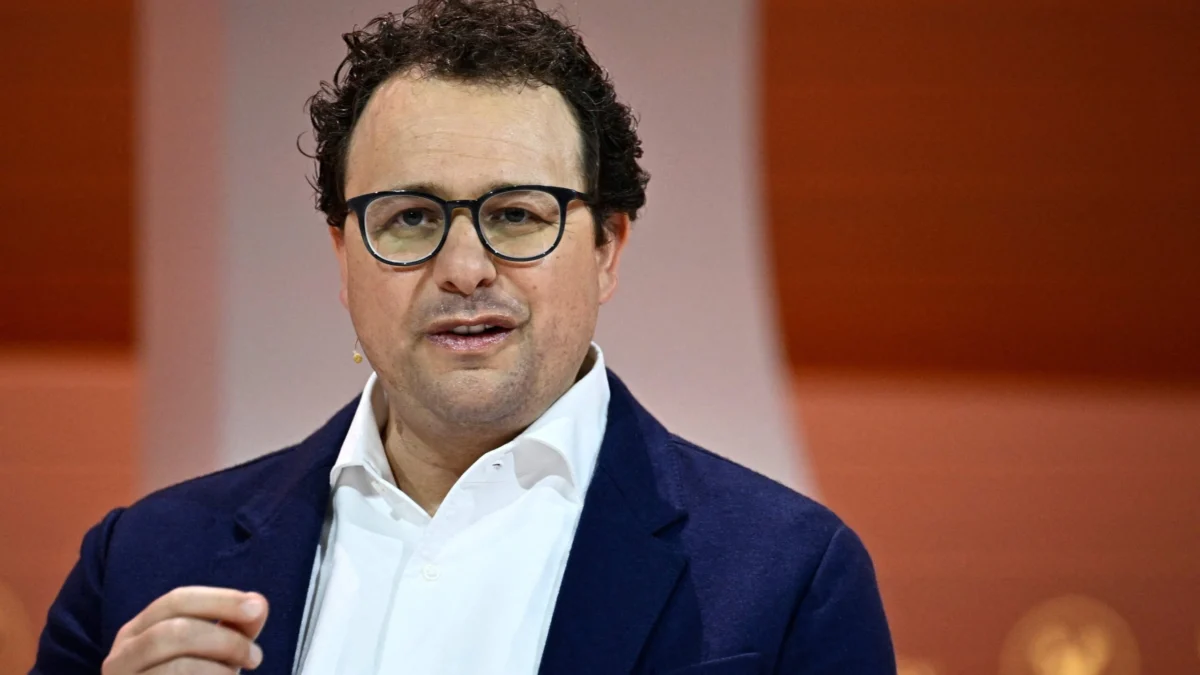
Lachlan Murdoch, in a statement released shortly after the announcement, emphasized that the merger represents a commitment to innovation. "We are not just looking at where the media industry is today, but where it will be in the next decade," Murdoch said. "By aligning our content with Roku’s industry-leading technology, we are creating a powerhouse that provides unmatched value to both viewers and our advertising partners."
Roku’s leadership, while acknowledging the transition, focused on the stability and growth opportunities the merger provides. "Joining forces with the Fox Corporation allows us to accelerate our roadmap and bring even more functionality to our users," a spokesperson for Roku noted.
Market reaction has been cautious but generally optimistic, with analysts noting that the premium paid for Roku reflects the scarcity of high-quality, independent digital distribution platforms in a market that is increasingly consolidating.
Conclusion: A New Era for the Murdoch Empire
As the dust settles on this announcement, the media world is left to digest the reality of a massive shift in power. The Fox-Roku deal serves as a bellwether for the industry: in the streaming era, content is only as powerful as the platform that delivers it.
By securing its own digital distribution, the Fox Corporation has made a bold move to ensure its relevance in the 21st-century media landscape. While the path to integration—and the challenge of maintaining Roku’s "open" reputation—will be fraught with regulatory and operational hurdles, the deal marks a definitive evolution for the Murdoch empire.
The merger is expected to close in the coming months, pending shareholder and regulatory approvals. As the company moves toward this new chapter, the eyes of the media world will be fixed on whether this "next-generation" experiment can succeed in a hyper-competitive, fragmenting global market. One thing is certain: the battle for the living room has entered its most aggressive phase yet, and with this acquisition, Fox has established itself as a formidable force on the front lines.