


As global temperatures climb and marine plastic pollution reaches critical levels, researchers are uncovering a terrifying, hidden consequence: the rise of the "Plastisphere." New evidence suggests that lethal bacteria, such as the vibrionaceae family responsible for recent fatalities in the Baltic Sea, are using synthetic debris as a transport vessel, effectively traveling thousands of miles to reach new ecosystems—and human swimmers.
The Alarming Reality: Death in the Baltic
In the summer of 2026, the Baltic Sea, once considered a pristine summer sanctuary for millions of Europeans, became the site of a grim scientific wake-up call. Following the deaths of two individuals due to severe Vibrio infections, public health authorities and marine biologists have shifted their focus toward an unlikely culprit: the intersection of climate change and marine litter.
Vibrionen (Vibrio bacteria) are naturally occurring organisms that thrive in warm, brackish water. While these bacteria have always existed in marine environments, their proliferation has historically been limited by cooler temperatures. However, as climate change pushes sea temperatures to record highs, these pathogens are blooming in unprecedented numbers. When these bacteria enter the human body through small skin abrasions or open wounds, they can trigger necrotizing fasciitis—often referred to as "flesh-eating" disease—and systemic sepsis. Vulnerable groups, including the elderly, the immunocompromised, and those with pre-existing conditions, remain at the highest risk of fatal outcomes.
Chronology of a Growing Crisis
The understanding of the "Plastisphere"—a term coined to describe the unique microbial communities living on plastic debris—has evolved rapidly over the last decade:
- Early 2010s: Initial studies identify that marine plastic does not merely float as inert waste; it is colonized by a distinct community of microbes.
- 2018–2022: Oceanographic research begins to identify that these plastic-associated biofilms harbor not only harmless algae and fungi but also opportunistic pathogens.
- 2024: Large-scale sampling in the North and Baltic Seas confirms that Vibrio species are disproportionately abundant on microplastic fragments compared to the surrounding water.
- August 2026: Two fatalities in Germany underscore the urgency of the issue. Coastal municipalities begin installing early-warning systems, monitoring water temperature and salinity to predict bacterial spikes.
The Science of the "Plastisphere"
To understand why plastic is so dangerous, one must look at it as an artificial island. Unlike organic matter, such as wood or seaweed, which eventually decomposes, synthetic plastic persists in the environment for decades or even centuries.
When a piece of plastic enters the ocean, it is quickly colonized by a "biofilm"—a slimy, protective coating of bacteria, algae, and microscopic organisms. Researchers have discovered that a single fragment of microplastic, sometimes no larger than a grain of sand, can host thousands of distinct microbial species.
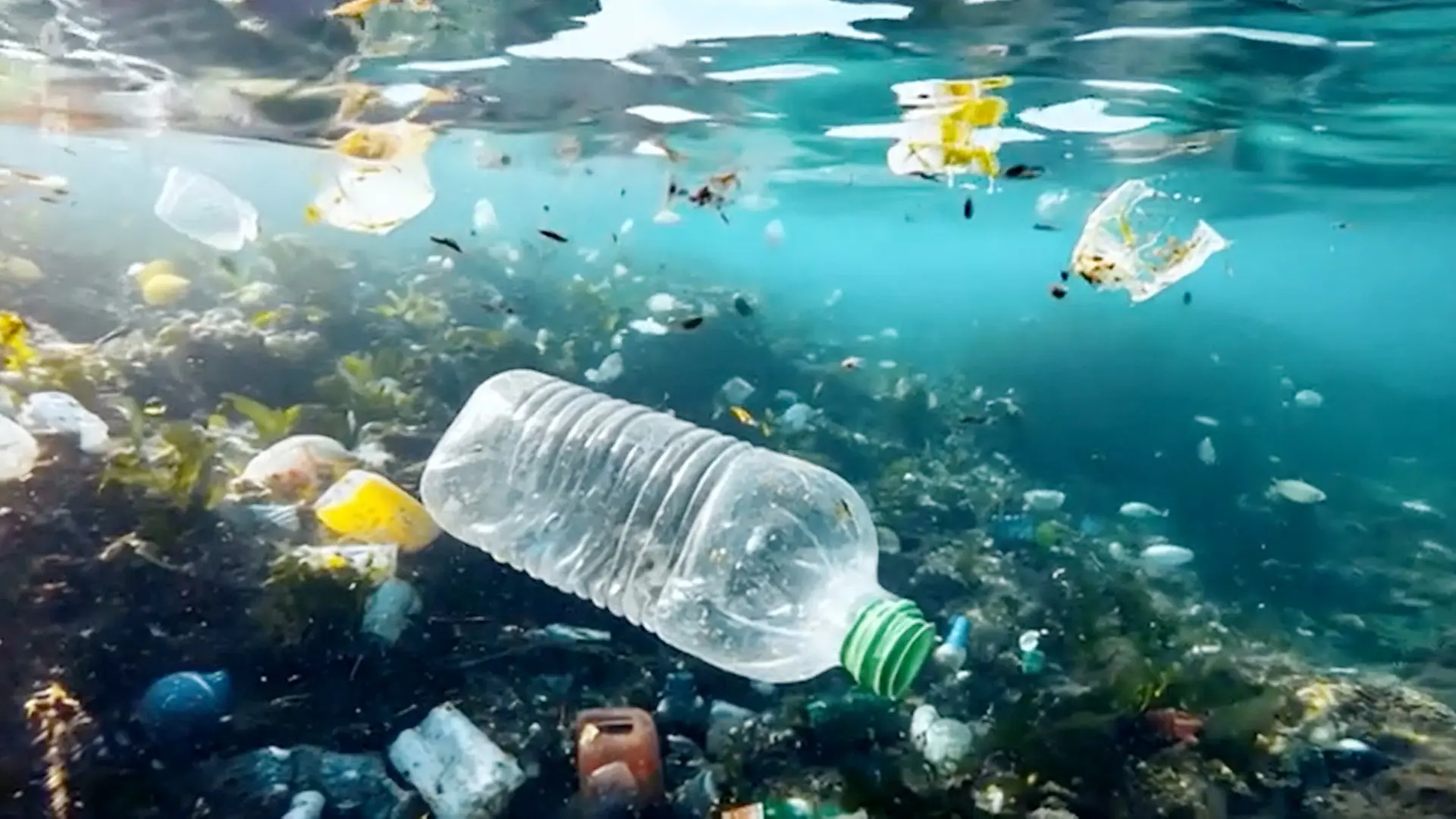
"Plastic acts as a long-distance transport vehicle," explains Dr. Gunnar Gerdts, a leading marine biologist at the Alfred Wegener Institute. "Because plastic is durable and buoyant, it doesn’t just sink and disappear. It travels with ocean currents, carrying its microbial passengers across vast distances. When you combine this with warming waters, you create the perfect storm: an expanded habitat for pathogens that would otherwise be geographically restricted."
Supporting Data: The "Double Trouble" Effect
The synergy between pollution and climate change, which experts call the "Double Trouble" effect, is changing the fundamental chemistry of our oceans.
Data collected from the Mediterranean and the North Sea reveals startling concentrations of pathogens on plastic surfaces. A study conducted by researchers at the Sorbonne University in Paris identified Vibrio parahaemolyticus—a known cause of severe gastroenteritis and skin infections—on microfibers collected from the Mediterranean.
Key findings include:
- Micro-Hotspots: A single textile microfiber was found to host up to 2,600 individual bacteria, suggesting that common laundry-derived pollutants are contributing to the spread of dangerous microbes.
- Pathogen Survivability: Laboratory simulations show that bacteria embedded within a biofilm on plastic are significantly more resistant to UV radiation and environmental stress than those floating freely in the water column.
- Global Reach: Plastic debris sampled thousands of miles from industrial sources often contains identical microbial signatures to those found near urban sewage outflows, proving that the debris is successfully transporting these pathogens across entire oceanic basins.
Official Responses and Public Safety
In response to the growing threat, coastal regions are moving beyond mere warnings. The implementation of "Vibrio Early Warning Systems" is becoming a standard in Northern Europe. These systems utilize satellite data and real-time sensors to track sea surface temperature, salinity, and chlorophyll levels. When conditions reach a threshold that favors bacterial growth, local authorities issue travel and swimming advisories.
However, many scientists argue that monitoring is only a bandage. "We cannot warn our way out of this," says one researcher associated with the latest MDR documentary, Leben auf Plastik – Per Anhalter durchs Meer (Life on Plastic – Hitchhiking through the Sea). "The sheer volume of plastic in the water means that even if we could stop all new pollution tomorrow, the ‘Plastisphere’ would continue to drift for decades."
Long-term Implications: A Changed Ocean
The existence of the Plastisphere poses risks that extend far beyond human health. Marine ecosystems rely on a delicate balance of microbes. By introducing synthetic, highly mobile surfaces, humans are effectively altering the microbial ecology of the entire planet.
Impact on Marine Wildlife
Marine animals, particularly filter feeders like mussels, oysters, and small fish, ingest microplastics along with their attached biofilms. This introduces high concentrations of pathogens directly into the food chain. The health consequences for marine biodiversity—ranging from mass die-offs of coral reefs to the collapse of shellfish populations—are still being modeled, but the initial projections are grim.
The Human Health Paradigm
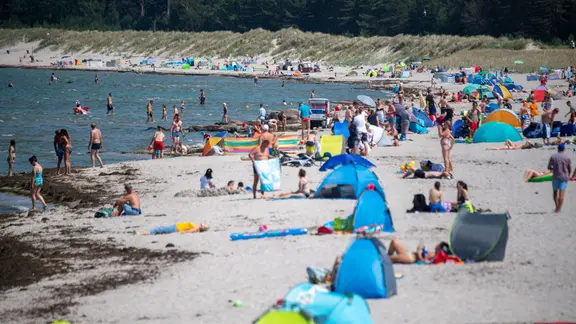
For humans, the implications are two-fold. First, the risk of direct infection at the beach is likely to increase as summer temperatures continue to rise. Second, the potential for foodborne illness through the consumption of contaminated seafood is a growing concern. If the ocean becomes a conveyor belt for pathogens, the safety of the global seafood supply may be compromised.
The Path Forward
The scientific community is calling for a global shift in how we manage plastic waste. The documentary Leben auf Plastik, which explores these findings in depth, highlights that the "hitchhiking" pathogens are a symptom of a larger, systemic failure.
While individual precautions—such as washing off after swimming, avoiding the ocean if one has open wounds, and being mindful of water quality alerts—are essential for the short term, they do not address the root cause. The long-term mitigation of this threat requires a radical reduction in the production of single-use plastics and a massive investment in filtration technologies to prevent microfibers from entering our waterways.
As the world watches the evolution of the Plastisphere, one thing is clear: the plastic we have discarded has not gone away. It has simply mutated into a new, complex, and potentially dangerous global entity, effectively hitchhiking its way into our lives and our health. The ocean, once our greatest source of life, is now becoming a reflection of our own industrial negligence.