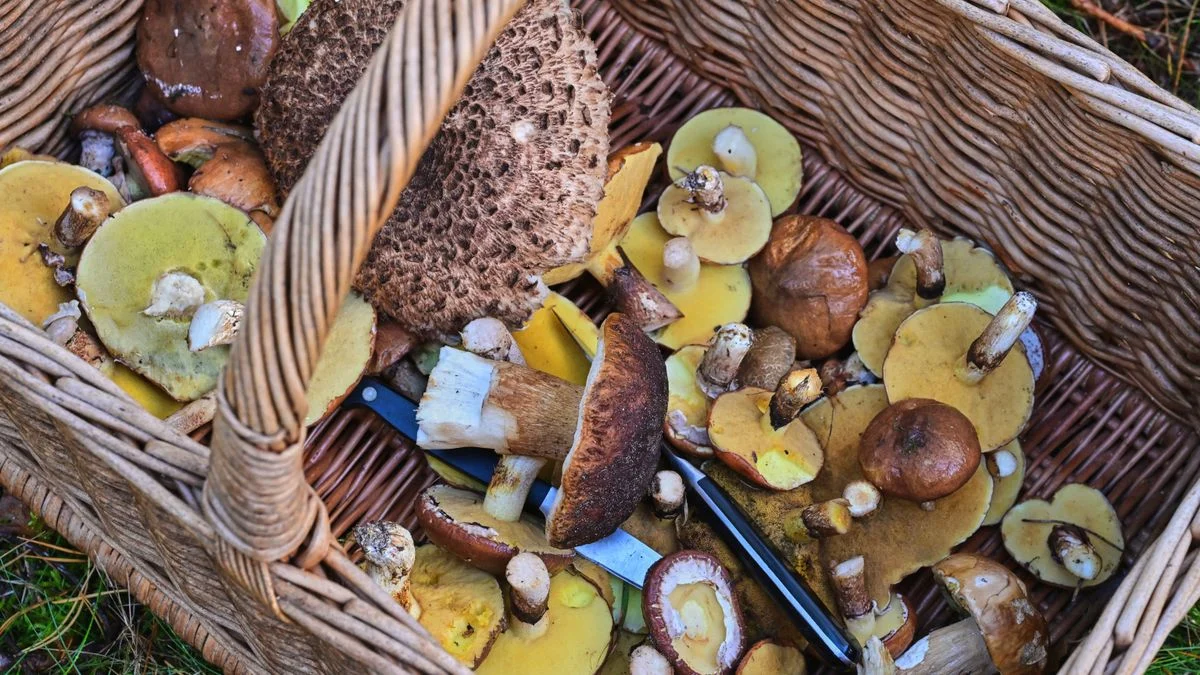
As autumn descends upon Germany, the golden foliage and crisp air typically signal the start of a cherished national pastime: mushroom hunting. For generations, enthusiasts have headed into the dense, temperate forests of Bavaria, Hesse, and beyond, baskets in hand, in search of chanterelles, porcini, and other culinary delicacies. However, this year, the forest floor tells a different, more somber story. Following a summer characterized by persistent, punishing drought, the mycelium networks—the hidden architects of the forest—remain largely dormant. For mushroom hunters and mycologists alike, the outlook for the 2024 season is increasingly bleak.
Main Facts: A Season of Scarcity
The reality on the ground is stark. Across large swathes of southern Germany—particularly in Hesse, Baden-Württemberg, Rhineland-Palatinate, and Bavaria—the long-awaited "mushroom boom" has failed to materialize. Experts attribute this decline to the lingering effects of a summer heatwave that left the topsoil bone-dry.
The biological process required for mushrooms to "fruit" is highly dependent on a delicate balance of moisture and temperature. When the soil remains parched, the underground mycelium—the vegetative part of the fungus—lacks the hydration necessary to push up the fruiting bodies we recognize as mushrooms. Consequently, in many regions, the harvest is not just lower than usual; it is effectively non-existent.
"My pessimism remains high," says Thomas Lehr, a seasoned mushroom expert based in Hofheim am Taunus. Looking toward the traditionally peak month of October, Lehr notes that in the Rhine-Main region, the soil remains dangerously dry. With forecasted temperatures reaching 25 degrees Celsius in the coming days, the window for a recovery is rapidly closing. While forest pockets that received sporadic rainfall are seeing limited growth, the overall trend is one of profound disappointment.
Chronology of the Decline
The struggle of the forest fungi is not a sudden phenomenon but the culmination of a multi-year trend. To understand the current crisis, one must look at the recent history of European weather patterns:
- 2021–2022: The precursors to the current crisis. Several seasons were marred by extreme heat, though some regions saw moderate recovery periods.
- 2023: A year of high volatility, where regional differences began to widen, making it difficult for casual foragers to predict yields.
- Summer 2024: A period of sustained, intense drought. The lack of deep-soil moisture has been compounded by high evaporation rates, effectively "locking" the nutrients away from the fungi.
- Mid-September to Early October 2024: The current window of opportunity. While recent light rains have offered some hope, they have largely been insufficient to permeate the hard-packed, arid ground.
- Mid-October 2024 and Beyond: The critical threshold. In higher altitudes, such as the Bavarian Forest and the Alps, the first ground frosts are expected by mid-month. Once the frost sets in, the window for most mushroom species will shut definitively for the year.
Supporting Data and Regional Variations
The lack of yield is not uniform, which is a common point of confusion for hobbyists. Mycological organizations, including the Bavarian Mycological Society (BMG) and researchers at the University of Bayreuth, have issued reports confirming that local conditions dictate success more than ever.
In Bavaria, the Landesbund für Vogel- und Naturschutz (LBV) has reported that even in areas where recent precipitation occurred, the moisture failed to reach the deeper layers of the soil. This suggests that the "biological engine" of the forest is in a state of suspended animation.
In Southern Hesse, the situation is similarly grim, though experts like Darmstadt-based mycologist Irmtraut Lampert suggest that hunters should pivot their search strategies. While traditional ground-dwelling species are struggling, those that thrive on decaying wood—such as the "Hen of the Woods" (Krause Glucke), Oyster mushrooms, and Sulfur Polypores—are finding success. As many pine trees have died off due to the drought, the abundance of dead wood has created a niche for these specific varieties to thrive, even while the classic porcini (Steinpilz) remains elusive.

Official Responses and Ecological Implications
The consensus among experts is that the "climate crisis" is the primary driver of this shift. Christoph Hahn, chairman of the BMG, notes that while fungi are resilient organisms, they have a breaking point.
"Individual drought periods are survivable," Hahn explains. "The problem arises when drought years occur with increasing frequency and the essential recovery phases—periods of wet, cool weather—are omitted from the cycle."
Lotte Krüger of the LBV offers a glimmer of hope: the lack of mushrooms on the surface does not mean the fungi themselves are dying out. The mycelium can survive in the soil for extended periods, waiting for the return of favorable conditions. However, the recurring stress of extreme heat may eventually lead to a decline in biodiversity, as more sensitive species fail to reproduce. The ecological implication is significant; mushrooms play a vital role in decomposing organic matter and forming symbiotic relationships with tree roots. A long-term lack of fruiting affects the entire forest ecosystem.
Implications for the Future of Foraging
As we look toward the remainder of the season, experts are emphasizing a shift in both strategy and etiquette for those who still intend to head into the woods.
Strategic Adjustments
- Data-Driven Foraging: Experts now recommend that enthusiasts utilize digital tools, such as the German Weather Service (DWD) data on soil moisture and evaporation rates. Knowing which forest sections have the highest "available water" is more effective than relying on intuition.
- Topographic Targeting: Seek out the "North Side." The northern aspects of hills and forests are traditionally more shaded, keeping them cooler and retaining moisture longer than the sun-drenched southern slopes.
- Moor and Swamp Environments: Areas with naturally high water tables are currently the only reliable refuges for fungi.
The Ethos of the Responsible Collector
With yields low, the pressure on the few mushrooms that are growing is high. Experts are doubling down on the ethical code of the forest:
- Certainty is Paramount: If there is even a 1% doubt regarding the identity of a mushroom, do not pick it. With modern apps, it is tempting to rely on technology, but experts warn that visual identification can be misleading. Only consume mushrooms you are 100% certain of.
- Quality over Quantity: "Only take what you would buy at the market," advises the German Mycological Society. Overly mature, mushy, or giant specimens are often past their prime. Leaving them in the forest allows them to release their spores, supporting the next generation of fungi.
- Respect the Mycelium: When foraging, avoid disturbing the forest floor excessively. The delicate threads beneath the surface are already stressed; heavy trampling only makes recovery more difficult.
Conclusion: A Season of Patience
The 2024 mushroom season serves as a poignant reminder of the fragility of our natural environments. While the lack of chanterelles or porcini in one’s basket may seem like a minor annoyance, it is a symptom of a larger, systemic shift in our climate.
For now, the forests of Germany remain quiet. The seasoned hunter knows that nature follows its own rhythm, and while this year demands patience, it also offers a lesson in observation. By focusing on sustainable practices and respecting the forest’s current state of recovery, enthusiasts can ensure that when the rains finally return in abundance, the cycle of growth will be ready to resume. Until then, the woods remain a place for contemplation rather than harvest—a reminder that we are guests in an ecosystem that is currently holding its breath.