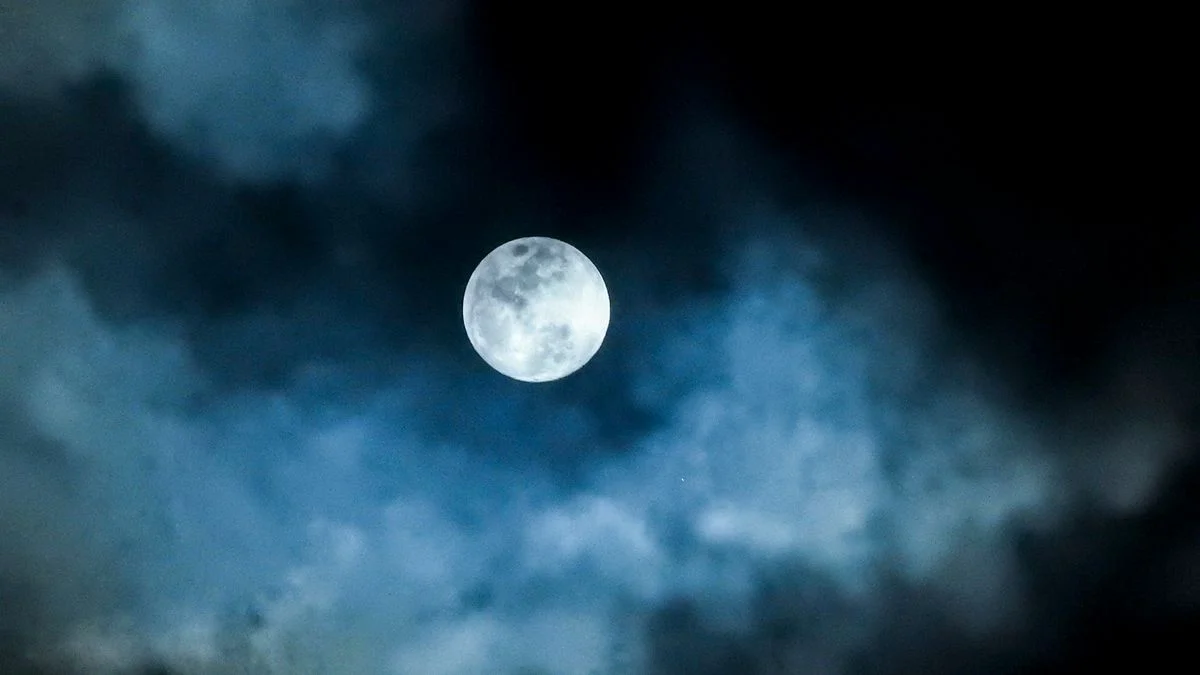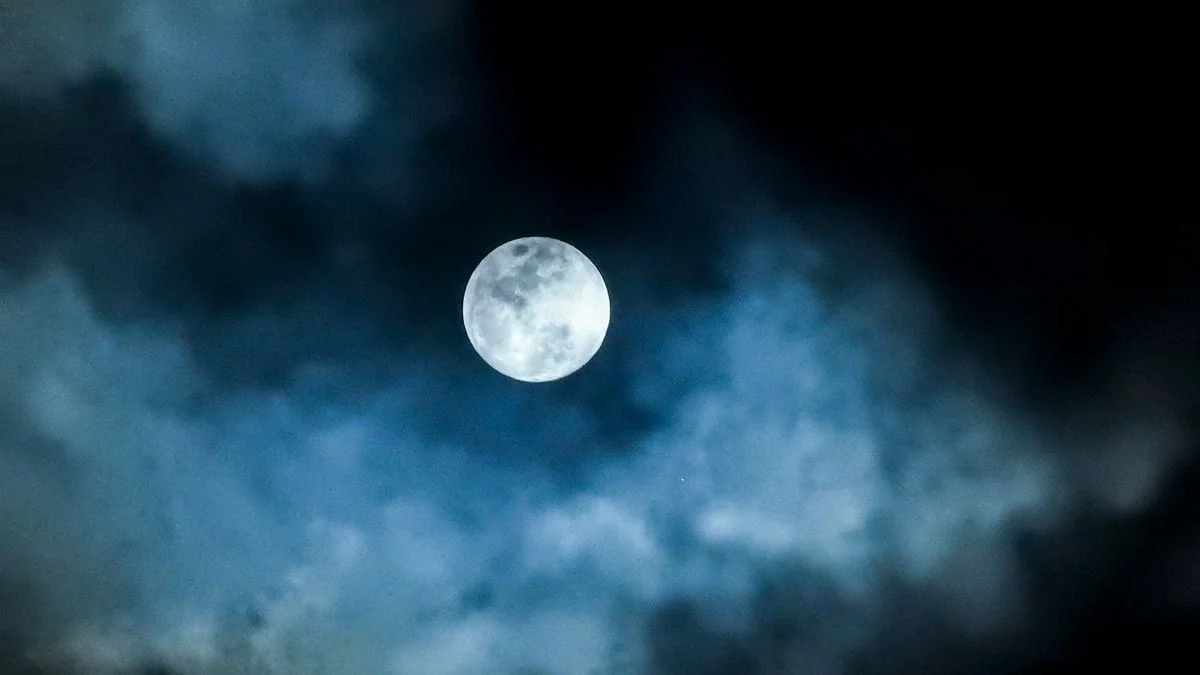
For centuries, the moon has been attributed with a mystical influence over human behavior, mental health, and physical well-being. From the etymology of the word "lunacy" to the persistent folklore suggesting that full moons lead to increased emergency room visits, aggressive behavior, and, most notably, poor sleep, the lunar cycle remains a deeply ingrained part of our cultural psyche. But does the moon actually dictate the quality of our rest, or are we simply falling prey to the psychological pitfalls of confirmation bias?
Main Facts: The Intersection of Myth and Biology
At the heart of the debate is a simple question: Can a celestial body located 384,400 kilometers away disrupt the intricate physiological processes of the human circadian rhythm?
For most of history, the answer was anecdotal. People reported tossing and turning, experiencing vivid dreams, or suffering from insomnia during the nights when the moon reached its peak illumination. However, modern chronobiology—the study of biological rhythms—has begun to parse these claims through the lens of rigorous scientific inquiry.
The primary hypothesis suggests that, prior to the advent of artificial lighting, the increased light intensity of the full moon would have delayed sleep onset, keeping our ancestors awake longer to remain vigilant against predators. Today, however, in an era of light pollution and high-tech sleep environments, the "lunar effect" is significantly harder to isolate. Recent studies, including those using actigraphy (wearable sleep-tracking devices), have produced conflicting results, with some suggesting a subtle, measurable impact on sleep latency and REM cycles, while others find the statistical noise of human daily life far outweighs any lunar influence.
A Chronology of the Lunar Sleep Debate
The journey to understanding the relationship between the moon and human physiology has evolved significantly over the last century:
- 1920s–1950s: The era of folklore and observation. Sociologists and early psychologists documented the "Lunar Effect" primarily through hospital records and police reports, attempting to correlate crime waves and admissions with the lunar calendar. These early studies lacked robust controls and were largely debunked by later meta-analyses.
- 1980s–1990s: The rise of sleep laboratory research. Scientists began monitoring subjects in controlled environments. While some studies showed slight variations in sleep depth, they were often dismissed as outliers or due to the "first-night effect" in a lab setting.
- 2013: A landmark study published in the journal Current Biology sent shockwaves through the scientific community. Researchers reported that, even in a lab setting without windows, participants took longer to fall asleep and experienced decreased "deep sleep" during the days surrounding the full moon.
- 2021: A follow-up study conducted by researchers at the University of Washington used indigenous communities in Argentina and college students in Seattle. The data suggested a clear, rhythmic pattern: sleep onset was consistently later, and sleep duration shorter, in the days leading up to the full moon, regardless of whether the environment was urban or rural.
Supporting Data: What the Metrics Say
The data surrounding the lunar-sleep connection is complex. When looking at the 2021 study, the variations in sleep duration ranged from 46 to 58 minutes. This is a significant delta for any sleep researcher. However, skeptics point to the source of the disruption.
Is it the gravitational pull? Unlikely, as the moon’s tidal force on a human body is mathematically negligible compared to the forces exerted by a nearby object. Is it the light? This is the most plausible biological mechanism. Even in modern, light-polluted cities, the moon’s cycle influences our melatonin production—the hormone responsible for regulating our internal clocks.
The data suggests that the "lunar effect" might be a relic of our evolutionary past. During the full moon, the "extra" night light would have extended the period of activity for hunter-gatherer societies. The study’s researchers argue that we may still possess an endogenous rhythm that is synced, however faintly, to the lunar cycle, even if our modern lifestyles have largely suppressed its expression.
Official Responses and Scientific Consensus
The scientific community remains divided, though the divide is moving from "it’s pure superstition" to "the biological mechanism is nuanced."
Dr. Horacio de la Iglesia, lead researcher on the 2021 study, has stated that while the effect is real, it is not necessarily "mystical." Instead, it represents a biological adaptation that has been rendered mostly obsolete by the lightbulb. Other sleep experts, such as those at the American Academy of Sleep Medicine (AASM), caution against over-interpreting these results. They emphasize that while there may be a statistically significant correlation, it does not necessarily imply a clinical problem for the average person.
"Most people struggling with insomnia are dealing with screen time, caffeine, stress, and anxiety," says one sleep medicine specialist. "The moon is a convenient scapegoat for poor sleep hygiene, but it is rarely the primary culprit."
Implications: Why We Still Believe
The persistence of the belief in the lunar effect has profound implications for how we view health and psychology. The illusion of causality—the tendency to find patterns in random events—is a powerful cognitive tool. When a person sleeps poorly on a night when the moon happens to be full, they are likely to remember that specific connection, while ignoring the dozens of nights they slept poorly under a new moon.
This psychological phenomenon creates a "self-fulfilling prophecy." If one expects to sleep poorly during a full moon, the resulting anxiety can, in fact, lead to poor sleep.
What This Means for You
If you find yourself awake during the full moon, it is worth examining your environment rather than the sky. Ask yourself:
- Light Control: Are you using blackout curtains? Even minor increases in ambient light can shift circadian rhythms.
- Psychological Priming: Have you subconsciously convinced yourself that the moon is keeping you awake?
- Sleep Hygiene: Are you maintaining a consistent schedule regardless of the lunar phase?
Ultimately, while the moon may play a very small, ancient role in our biological history, it is not an insurmountable force. The modern human is far more impacted by the glow of a smartphone screen than by the glow of the moon. Understanding this distinction is the key to reclaiming your rest.
If you are currently struggling with persistent sleep issues, the best course of action remains consulting a medical professional to rule out physiological conditions, rather than looking to the lunar calendar for an explanation. Science has stripped away much of the magic of the moon, but in doing so, it has provided us with the tools to manage our own well-being with greater precision than ever before.