As October descends, the landscape undergoes a dramatic transformation. Leaves turn to gold, temperatures drop, and across the region, homeowners, hobby gardeners, and landscape enthusiasts engage in the quintessential autumn ritual: the garden clear-out. It is the time for pruning, clearing away dead vegetation, and preparing the soil for the dormancy of winter. However, this surge in seasonal activity brings with it a persistent and growing environmental blight—the illegal dumping of garden waste in forests, meadows, and public green spaces.
While many individuals mistakenly believe that "green" waste is inherently harmless because it is biodegradable, environmental experts and municipal authorities are sounding the alarm. The casual disposal of clippings, branches, and lawn trimmings outside of designated collection points is not merely a nuisance; it is a significant environmental hazard that disrupts local ecosystems, facilitates the spread of invasive species, and imposes heavy financial burdens on local communities.
The Misconception of "Natural" Decay
The fundamental misunderstanding driving this behavior is the belief that because plant matter eventually decomposes, returning it to the forest floor is essentially "giving back to nature." From a scientific perspective, this is a dangerous oversimplification.
When large amounts of garden waste—often consisting of non-native decorative plants, grass clippings, or diseased foliage—are dumped into a forest or a natural habitat, they create an unnatural "nutrient island." Forests, particularly those with nutrient-poor, sandy soils, are adapted to specific conditions. The sudden influx of concentrated nitrogen and phosphorus from decaying grass and garden clippings creates a localized eutrophication effect. This shift favors fast-growing, aggressive plant species (often "weeds") while simultaneously suppressing the native flora that has evolved to thrive in the specific soil profile of the woodland.
Furthermore, the act of dumping often introduces ornamental plants that are not indigenous to the area. These garden escapees, once established, can outcompete native biodiversity, leading to the collapse of complex, long-standing plant communities that support local insect and wildlife populations.
Chronology of an Environmental Issue: From Seasonal Chores to Systematic Pollution
The cycle of illegal waste disposal follows a predictable pattern, mirroring the seasonal rhythms of horticulture.

- Early Spring (March-April): The first wave of illegal dumping begins as gardeners clear winter debris. Large amounts of dead wood and early-season pruning waste appear in public park borders and forest edges.
- Mid-Summer (June-July): A shift occurs toward fresh, green waste. Frequent lawn mowing leads to an increase in grass clippings being "disposed of" in unauthorized areas. This is particularly harmful as large piles of clippings generate high heat during decomposition, which can kill ground-level vegetation and create unpleasant odors.
- Late Autumn (October-November): The peak season for illegal activity. As the final harvest is cleared and trees are pruned for the coming winter, the volume of waste reaches its zenith. This is when authorities report the most significant illegal dumping incidents, often involving larger branches, hedge trimmings, and large-scale clearance of seasonal flower beds.
- Year-Round: Throughout the winter months, illegal disposal of Christmas trees and other seasonal decorations continues to pose a challenge for forest management and public parks departments.
Supporting Data and the Ecological Cost
The ecological impact of this behavior is measurable and severe. According to regional environmental agencies, the primary consequences include:
- Invasive Species Proliferation: Garden waste is a primary vector for the spread of invasive, non-native plants. Species such as the Japanese Knotweed, Giant Hogweed, or Himalayan Balsam often originate from private gardens. When these plants are dumped, their seeds or root fragments can quickly colonize the surrounding wild landscape, requiring expensive and time-consuming eradication efforts.
- Harm to Soil Composition: Dumping garden waste leads to the accumulation of "organic pollution." The change in soil chemistry can alter the acidity and nutrient levels, making it impossible for sensitive, rare plant species to survive in the affected area.
- Disruption of Wildlife Habitats: Large mounds of waste act as barriers to small ground-dwelling animals. Furthermore, the decay process can attract pests and rodents, which may disrupt the balance of the local forest fauna.
- Fire Hazards: In dry, late-summer or early-autumn conditions, large piles of discarded dry garden waste serve as perfect fuel for fires. The risk of wildfires, even in temperate climates, has been increasing due to changing weather patterns, and improperly discarded organic matter significantly elevates this risk.
Official Responses and Regulatory Frameworks
Local municipalities and forestry commissions have begun to take a more aggressive stance against illegal dumping. In many regions, the unauthorized disposal of waste is a criminal offense under the Waste Management Act. Penalties vary significantly depending on the volume and the location of the dumping, ranging from hefty fines for small-scale offenders to significant criminal charges for those who dispose of large quantities of waste in protected nature reserves.

Authorities are increasingly employing surveillance technology, including camera traps at common "hotspots," to identify offenders. However, the sheer scale of the landscape makes full surveillance impossible. Consequently, public education campaigns have become the primary tool for change.
"We urge residents to understand that the forest is not a compost heap," states a representative from a regional environmental protection bureau. "Every municipality provides low-cost or free green waste collection services, or offers composting facilities. There is simply no excuse for dumping waste in our woodlands. We are currently reviewing our enforcement policies, and we are prepared to increase the frequency of patrols and the severity of fines to protect our public forests."
The Financial Implications for Communities
Beyond the environmental cost, there is a tangible economic impact. The removal and proper processing of illegally dumped green waste fall under the responsibility of the municipal sanitation departments. This requires labor, fuel for transport, and landfill or processing fees—costs that are ultimately passed down to taxpayers.
In some districts, the cost of cleaning up illegal dumping has risen by double-digit percentages over the last five years. These are funds that could otherwise be diverted toward the preservation of parks, the maintenance of public playgrounds, or the development of sustainable green energy projects. By choosing to dump waste illegally, a small minority of the population is effectively imposing a financial tax on the rest of the community.
A Path Toward Sustainable Solutions
Addressing the problem requires a two-pronged approach: better infrastructure and a shift in public consciousness.
Improved Accessibility
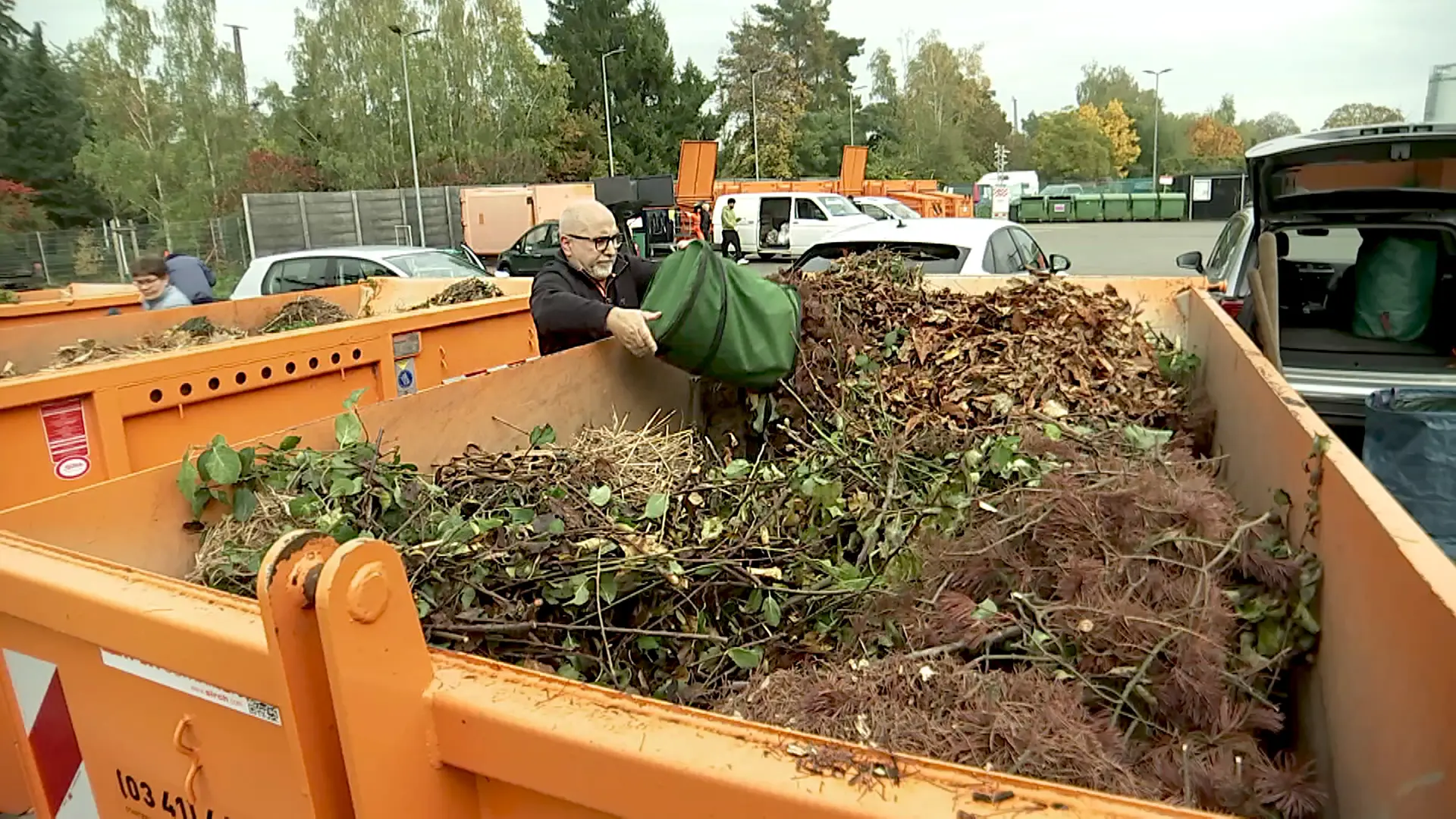
Municipalities must ensure that green waste collection is as convenient as possible. This includes expanding the number of drop-off points, increasing the frequency of mobile collection services during peak autumn months, and providing clear, simple information on how to dispose of different types of garden waste, including invasive species that require special handling.

The Power of Home Composting
The most effective way to handle garden waste is to keep it on-site. Home composting is not only free and environmentally friendly, but it also provides the gardener with a valuable, nutrient-rich soil amendment for the following year. Encouraging home composting through educational programs and subsidies for compost bins can drastically reduce the volume of waste that enters the municipal system.
Awareness and Stewardship
The core of the issue is a lack of awareness regarding the "wild" status of the forest. The forest is not an extension of the garden; it is a complex, delicate system. By fostering a sense of stewardship among citizens, authorities hope to change the narrative. When people view the forest as a public treasure that belongs to everyone—and for which everyone shares responsibility—the inclination to treat it as a disposal site diminishes.
Conclusion: Our Collective Responsibility
The autumn season should be a time of renewal—a period to appreciate the changing beauty of the natural world. As we work to prepare our gardens for the future, we must ensure that our actions do not compromise the health of our forests and local ecosystems.
The choice to dispose of garden waste responsibly—whether through municipal collection services or home composting—is a small act that carries immense weight. It is an act of respect for the biodiversity that sustains our environment and a commitment to the preservation of our public spaces for future generations. The next time you find yourself with a pile of clippings or a stack of branches, remember that there is no such thing as "harmless" waste in the wild. Let us leave the forests to the trees and the wildlife, and take our responsibility as custodians of the land seriously.

By making the right choice, we not only protect the natural beauty of our region but also ensure that our communities remain sustainable, clean, and vibrant for all. The solution is in our hands, and it begins with a simple commitment: never dump in the wild.