


For decades, the standard for heating homes across Europe has been dominated by fossil fuels—primarily oil and gas. However, as the urgency of the climate crisis intensifies and energy prices remain volatile, the heat pump has emerged as the technology of choice for the transition to carbon-neutral heating. A new comprehensive survey conducted by a coalition of German research heavyweights—the Oeko-Institut, the Institute for Energy and Environmental Research (ifeu), and the advisory platform co2online—reveals a compelling trend: the skepticism surrounding heat pumps often evaporates once they are installed.
Main Facts: High Satisfaction Among Early Adopters
The study, which surveyed approximately 4,300 single-family homeowners, provides one of the most granular looks yet at the psychology of the energy transition. Of the participants, 1,460 had already made the leap to heat pump technology. The results of their lived experience are overwhelmingly positive: 70.8 percent of owners reported being "very satisfied" with their new system, while an additional 23.7 percent expressed satisfaction.
This brings the total approval rating to over 94 percent. Conversely, only a negligible 1.2 percent of respondents reported a negative experience, with the remainder describing their transition as only "partially successful." These figures suggest that the "fear factor" often associated with heat pumps in public discourse does not align with the reality experienced by those who have actually integrated the technology into their homes.
The Financial and Environmental Drivers
Why are homeowners making the switch? The research identifies clear motivations. Approximately 70 percent of respondents cited long-term cost benefits as their primary driver. While the initial capital expenditure for a heat pump can be significant, homeowners are increasingly viewing the technology as a long-term hedge against rising fossil fuel prices.
Furthermore, the data highlights a powerful synergy: the combination of a heat pump with a rooftop photovoltaic (PV) system. By generating their own electricity, homeowners can drastically reduce the operating costs of their heating systems, transforming the home into a small, self-sustaining energy hub. This "prosumer" model is rapidly becoming the gold standard for residential energy efficiency.
The Barriers: Why Hesitation Persists
While early adopters are satisfied, the survey also offers a critical look at the "wait-and-see" group. Among those who have not yet installed a heat pump, only 5 percent categorically reject the technology. The majority are open to the transition but are held back by practical and psychological hurdles.
1. The Lifespan of Existing Systems
Over half of the hesitant group (51.1 percent) noted that their current gas or oil boiler is still functioning well. For these homeowners, the financial logic of replacing a working system—even for the sake of the environment—is difficult to justify until the current system reaches its natural end-of-life.
2. Upfront Costs
Despite long-term savings, the immediate investment remains a major barrier. Approximately 46.3 percent of respondents cited high acquisition costs as a primary reason for delaying their decision. This points to a clear need for continued government subsidies and low-interest financing models to lower the barrier to entry.
3. Knowledge Gaps and Technical Anxiety
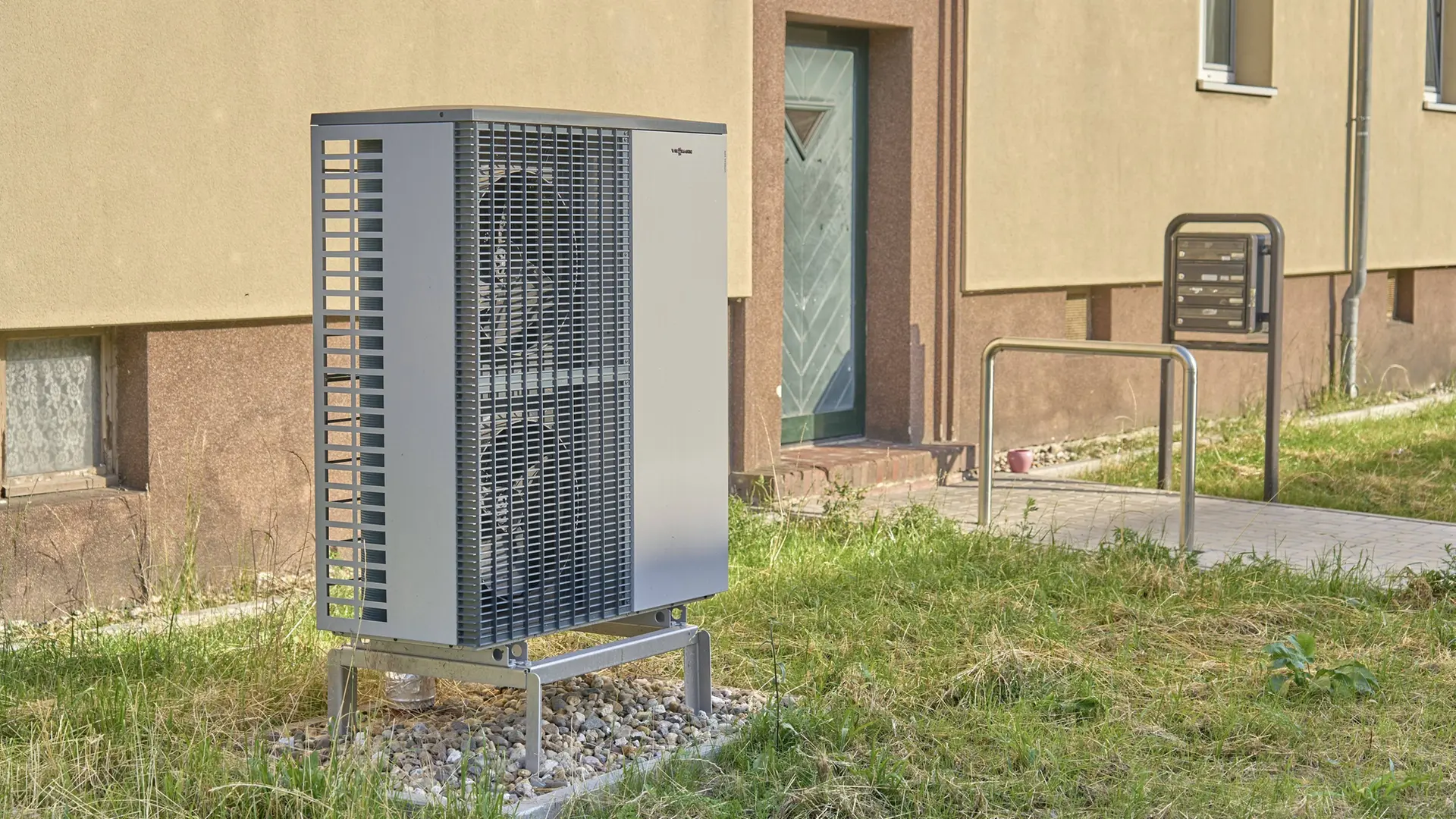
Perhaps most telling is that 21.6 percent of those without a heat pump simply do not know if their home is suitable for the technology. There is a persistent myth in the housing market that older buildings must undergo extensive, costly renovations (such as full-envelope insulation) before a heat pump can be installed. Additionally, about one-third of respondents mistakenly believe that a heat pump requires underfloor heating to function efficiently.
Debunking the Myths of Renovation and Efficiency
The research team behind the study was categorical in its assessment: the belief that older, unrenovated houses cannot accommodate heat pumps is largely outdated. Modern high-temperature heat pumps are designed to work effectively even with traditional radiators, provided the system is professionally calibrated.
The study authors emphasize that many homeowners are unnecessarily frightened by the prospect of "renovation overkill." While home insulation is always beneficial for energy efficiency, it is not an absolute prerequisite for moving away from fossil fuel heating. The transition is often more about technical optimization—ensuring that the heating curve is correctly set and that the system is properly dimensioned—than it is about tearing down walls to install floor heating.
Empowering Homeowners: The Path Forward
To bridge the gap between intent and action, the study suggests that homeowners need better support. One of the most practical tools proposed is the "self-test." Homeowners can, in theory, manually adjust their current heating systems to mimic the flow temperatures of a heat pump. By monitoring whether their home remains comfortable during a cold spell with these settings, owners can gain the confidence that their building is "heat-pump ready."
However, the survey revealed a digital and technical divide: only 41 percent of respondents felt capable of conducting these tests themselves. This highlights a critical service gap. The authors of the paper argue that the industry should focus less on complex, jargon-heavy technical manuals and more on:
- Step-by-step guides: Written materials that simplify the transition process.
- Video tutorials: Visual aids that demonstrate how to manage heating controls.
- Professional hotlines: Accessible experts who can answer specific questions about individual home configurations.
- Peer-to-peer sharing: Connecting potential buyers with neighbors who have already successfully made the switch to build trust and share lessons learned.
Implications for Policy and the Energy Market
The findings of the study serve as a roadmap for policymakers and the heating industry. The success of the energy transition in the residential sector will not be determined by technology alone—which is already proven—but by communication and support infrastructure.
For governments, the mandate is clear: subsidies must be coupled with information campaigns that address the specific myths regarding old houses and radiators. For the industry, there is an opportunity to move beyond merely selling hardware and toward selling "energy packages" that include installation, system tuning, and ongoing support.
Conclusion: A Shift in Perception
The data from the Oeko-Institut, ifeu, and co2online presents a positive outlook for the future of heating. When the fear of the unknown is stripped away, the reality of the heat pump is one of high satisfaction, lower long-term costs, and increased independence from global fossil fuel markets.
As more households make the transition, the "social proof" provided by satisfied neighbors will likely do more to accelerate the adoption of heat pumps than any government mandate could. The technology is ready, the financial benefits are becoming increasingly clear, and the path to a carbon-neutral home is more accessible than most homeowners realize. The next phase of the energy transition will not be fought in the laboratories, but in the living rooms of homeowners who are ready to take the next step toward a sustainable future.







