The rapid integration of Artificial Intelligence (AI) and digital media into the fabric of daily life has reached a critical inflection point. From the classrooms of our children to the corridors of political power, the influence of algorithms and chatbots is transforming how we learn, work, and perceive truth. As we navigate this new era, the boundaries between human interaction and machine-generated content are increasingly blurred, raising profound questions about psychological well-being, democratic integrity, and the future of human agency.

The AI Transformation: A New Daily Reality
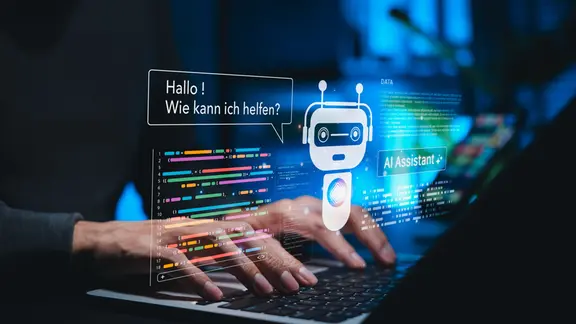
Artificial Intelligence is no longer a futuristic concept reserved for science fiction; it is the infrastructure of our current existence. Chatbots, fueled by large language models, have become ubiquitous tools. They assist with academic assignments, automate mundane workplace tasks, and, increasingly, provide a form of "programmed companionship."

However, this convenience masks a deeper, more complex reality. The human tendency to anthropomorphize—to project human qualities, emotions, and intentions onto non-human entities—is being exploited by the design of modern AI. When a chatbot responds with empathy, wit, or seemingly deep understanding, users often form emotional bonds that the machine is fundamentally incapable of reciprocating. This "programmed proximity" can provide comfort to the lonely, but it also creates a significant psychological risk: the potential for emotional manipulation, dependency, and, in extreme cases, catastrophic personal harm.
Chronology of a Digital Shift
The evolution of our digital landscape has occurred in rapid, successive waves:

- The Proliferation of Social Media (2010–2015): The initial transition of social media from a novelty to a primary source of news and socialization.
- The Rise of Algorithmic Curation (2015–2020): Platforms shifted from chronological feeds to algorithmic ones, designed to maximize engagement through emotional triggering.
- The Explosion of Generative AI (2022–Present): The public release of advanced chatbots (ChatGPT, Gemini, etc.) and deepfake technology, which made the creation of hyper-realistic, machine-generated content accessible to everyone.
- The Current Crisis of Authenticity (2025–2026): We are currently witnessing a period where the sheer volume of synthetic content threatens to erode the public’s trust in all media, as digital violence and misinformation become harder to distinguish from reality.
Supporting Data: The Cost of Connectivity
The impact of this digital ubiquity is quantifiable and deeply concerning. Recent studies on social media consumption among youth indicate a alarming trend:

- Increased Dependency: The number of adolescents reporting problematic social media usage has doubled within the last five years.
- Mental Health Vulnerability: Approximately 20% of students between the ages of 8 and 21 report being direct victims of cyberbullying. The persistent, inescapable nature of online harassment represents a significant escalation from traditional offline bullying.
- The Threat of Cybergrooming: Almost a quarter of individuals aged 8 to 17 have encountered predatory behavior in online spaces. These perpetrators exploit the anonymity and the perceived "safe space" of private chats to groom minors.
- Information Decay: With the rise of deepfakes and AI-generated disinformation, the ability of the average user to distinguish between authentic footage and synthetic manipulation has plummeted, directly affecting public discourse and political stability.
Official Responses and Regulatory Challenges
Governments and regulatory bodies are struggling to keep pace with the velocity of technological change. The debate is polarized between two primary schools of thought:

The Protectionist Approach
Proponents of this view argue for strict age limits on social media and mandatory "digital literacy" curricula in schools. They suggest that the risks—ranging from radicalization by extremist groups to the psychological trauma of cyber-violence—outweigh the benefits of unrestricted access. Some even propose state-mandated bans on certain platforms for minors, arguing that the addictive design of these platforms constitutes a public health crisis.

The Innovation and Empowerment Approach
Conversely, many experts argue that a blanket ban would be counterproductive, as it would prevent youth from developing the necessary skills to navigate the digital world. Instead, they advocate for stronger platform accountability, transparent algorithms, and the promotion of "counter-speech"—the use of constructive dialogue to combat online hate and disinformation rather than relying solely on deletion.

The Implication of "Programmed Nearsightedness"
Perhaps the most insidious effect of our reliance on AI and algorithmic feeds is the narrowing of our intellectual horizon. AI models are trained on vast amounts of data, much of which is "smooth," agreeable, and consensus-driven. As we increasingly adopt the language and logic of these bots, there is a risk of a "homogenization of thought."
If our daily communications are mediated by tools designed to be "pleasing" or "efficient," we may lose the ability to engage with nuance, dissent, or the messy, unpolished nature of authentic human discourse. Furthermore, the rise of "Dark Patterns"—manipulative interface designs that trick users into accepting cookies or purchasing products—demonstrates that the digital environment is not neutral. It is a commercial landscape designed to extract attention and capital.

Deepfakes and the Erosion of Reality
The advent of accessible deepfake technology has changed the stakes of political and social life. When a public figure can be depicted saying or doing things they never did, the concept of "evidence" is undermined. We have already seen instances where AI-generated images of politicians have been used to discredit them, creating a "liar’s dividend" where even true information can be dismissed as fake by bad actors.

This digital violence is not limited to politics. It extends to the personal, where non-consensual deepfake pornography has become a weapon of harassment, particularly targeting women. The psychological devastation caused by such acts is immense, and legal systems are only just beginning to develop frameworks to hold perpetrators accountable.

Conclusion: A Call for Digital Sovereignty
The challenge of the coming decade is not how to remove technology from our lives, but how to regain sovereignty over it. We must shift from passive consumers of algorithms to active, critical participants in the digital ecosystem.
This requires a multi-pronged strategy:

- Radical Transparency: Platforms must be forced to disclose how their algorithms prioritize content and why certain information is pushed to the top of our feeds.
- Media Literacy as a Fundamental Right: Understanding the mechanics of AI, the nature of algorithmic bias, and the reality of data mining must be integrated into education at every level.
- Human-Centric Design: Regulatory bodies must incentivize developers to prioritize user well-being over "time-spent" metrics.
- Institutional Responsibility: Media organizations and governments must invest in the infrastructure required to verify truth and combat disinformation, ensuring that public discourse is not entirely surrendered to synthetic entities.
We stand at a crossroads. The technology that promises to solve our problems is the same technology that, if left unchecked, will fundamentally alter our capacity for empathy, truth, and democratic participation. The choice is not between a digital or an analog future, but between a future where technology serves humanity and one where humanity is forced to adapt to the limitations of its own machines.

As we look toward the future, we must remain skeptical, stay informed, and most importantly, never lose sight of the unique, messy, and irreplaceable value of the human connection. The machines may be able to simulate our world, but they cannot live it for us. The responsibility for the digital frontier rests firmly in our hands.