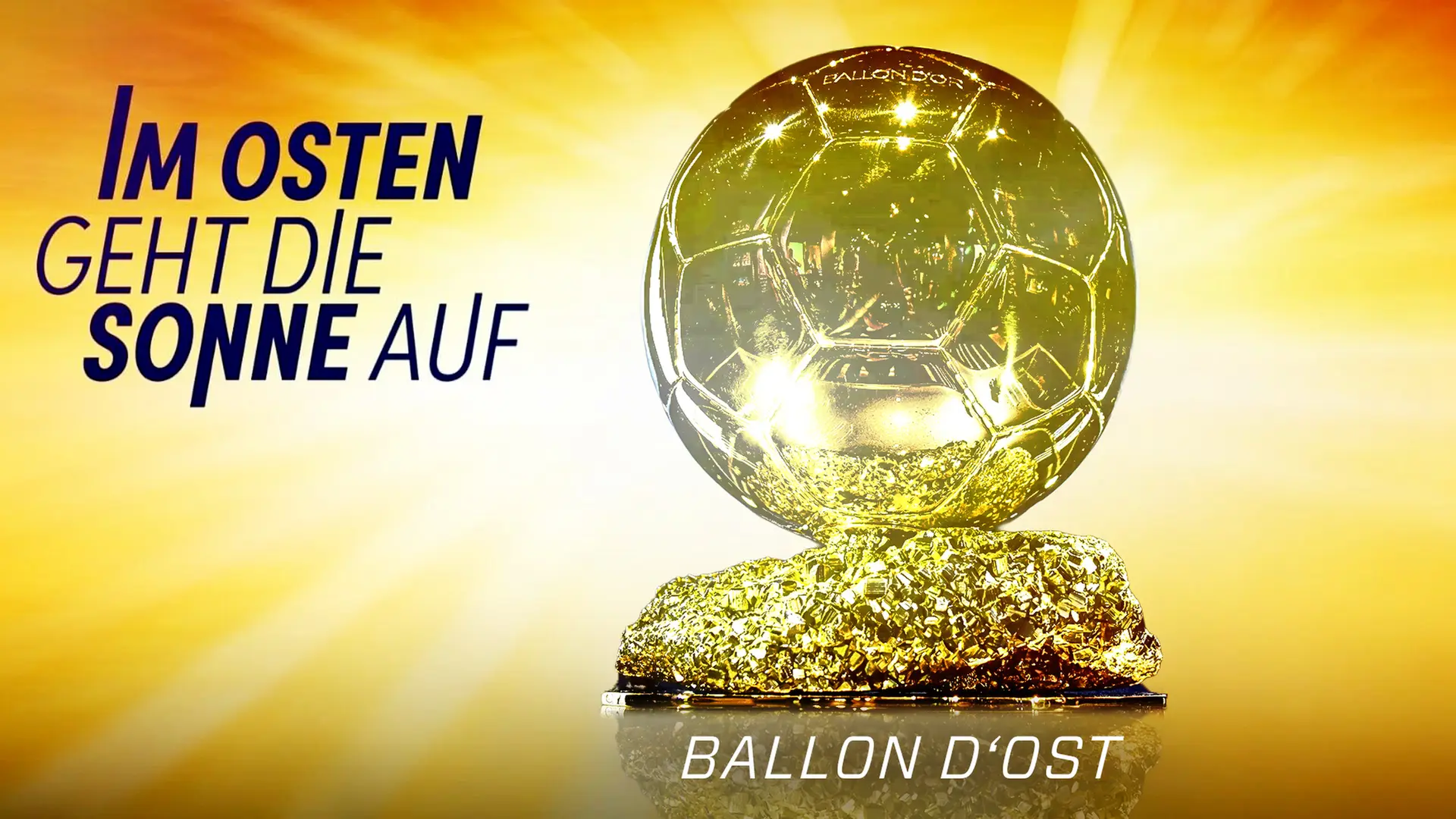
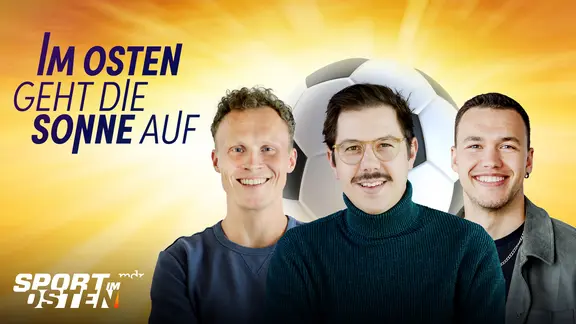
While the global footballing elite congregates in Paris for the glitz and glamour of the annual Ballon d’Or ceremony, a different kind of recognition is taking shape in the heart of Eastern Germany. The SPORT IM OSTEN (SpiO) podcast, “Im Osten geht die Sonne auf,” has launched its own prestigious accolade: the “Ballon d’Ost.”
Though the region may currently lack representation in the Champions League or the annals of World Cup winners, it remains a fertile ground for high-level tactical acumen and pure, unadulterated passion. In its 55th episode, the podcast team—Alex Küpper, Paddy Fritzsche, and Gregor Ryl—decided that it was time to celebrate the unsung heroes of the regional game. Following a deluge of nominations from the community, the field has been narrowed down to four exceptional candidates who have defined the recent footballing landscape in the East.
Main Facts: A Grassroots Counter-Narrative
The “Ballon d’Ost” serves as a defiant, celebratory response to the commercialized nature of modern football awards. By shifting the focus from global superstars to the regional icons of the German third and second divisions, the organizers are highlighting the cultural importance of football clubs that serve as the lifeblood of their respective cities.
The four nominees were selected based on their profound impact on their clubs’ fortunes, their leadership capabilities, and their ability to act as symbols of identity for their local fanbases. This is not merely an award for the most goals scored; it is a recognition of the player’s role in the social fabric of the club.
Chronology: From Podcast Idea to Public Vote
The initiative began as a casual segment in the 55th episode of the "Im Osten geht die Sonne auf" podcast. The hosts, recognizing that regional talent often goes unnoticed by national media outlets, proposed a grassroots voting mechanism.
- Late September 2026: The podcast hosts put out a call for nominations, asking the community to identify the most influential players in Eastern German football.
- Early October 2026: A shortlist was curated from hundreds of fan suggestions, focusing on players who have not only performed on the pitch but have become synonymous with their club’s current identity.
- October 22, 2026: The official launch of the public voting phase, accompanied by detailed profiles of the four finalists.
- Ongoing: The community is currently invited to cast their votes, with the winner set to be crowned in a forthcoming episode of the podcast.
Supporting Data: The Four Contenders
Tolcay Ciğerci (Energie Cottbus)
The creative heartbeat of Energie Cottbus, the German-Turkish playmaker has been the catalyst for the club’s recent resurgence. After navigating the physical and tactical rigors of the Regionalliga, Ciğerci was instrumental in securing promotion to the 2. Bundesliga. His "flashes of genius"—those moments of individual brilliance that turn a stalemate into a victory—have made him the face of the Lausitz club’s modern era. As a newly promoted side, Cottbus has surprised many observers with their composure in the second division, a performance largely predicated on Ciğerci’s vision in the final third.
Niklas Hauptmann (Dynamo Dresden)
A name synonymous with the tradition of Dynamo Dresden, Niklas Hauptmann serves as the quintessential "Dresdner Jung." As the club’s current captain, he is the engine room of the squad, dictating the tempo and maintaining the defensive integrity that the "Schwarz-Gelben" are known for. His recent performance in the "Elb-Clasico"—the high-stakes derby against 1. FC Magdeburg—was a masterclass in leadership. By driving his team to victory, he proved that he is not just a tactical component of the team, but a psychological leader capable of rising to the occasion in the most pressurized environments.
Baris Atik (1. FC Magdeburg)
Despite a difficult defeat in the aforementioned derby, Baris Atik remains one of the most technically gifted players in the region. The 1. FC Magdeburg winger possesses a rare ability to influence games from the flanks, using his blistering pace and dribbling acumen to dismantle opposition defenses. When Atik is in form, the entire Magdeburg attack functions with a fluidity that few teams in the 2. Bundesliga can match. He is the barometer for his team’s success; as he goes, so goes the "Blau-Weißen."
Djamal Ziane (1. FC Lok Leipzig)
In the world of professional football, loyalty is often a scarce commodity. Djamal Ziane defies this trend. A figurehead at the 1. FC Lok Leipzig, Ziane is affectionately referred to as the "Football God" of the Probstheida district. His journey has been marked by resilience; he has fought for his position in the starting XI through several coaching changes and tactical shifts. Yet, his status as an icon of the club remains unchallenged. For the fans of Lok, Ziane represents the soul of the club—a player who understands the weight of the crest and the expectations of the supporters.
Official Responses and Expert Commentary
The reception to the "Ballon d’Ost" has been overwhelmingly positive within the regional football community. Podcast host Alex Küpper noted during the announcement: "We aren’t looking for the player who wins the most trophies, but for the player who carries the most meaning. These four individuals are the threads that hold their respective clubs together."
Analysts have pointed out that while these players may not have the marketing reach of players like Vinícius Júnior or Erling Haaland, their influence on the local economy and social cohesion is arguably more tangible. By elevating these athletes, the media is fostering a stronger connection between professional clubs and their grassroots support bases.
Implications: The Future of Regional Football
The "Ballon d’Ost" is more than just a trophy; it is a statement about the sustainability and value of regional football. In an era where the divide between the top-tier elite and the lower divisions is widening, this initiative reminds fans and stakeholders that the "beautiful game" is played with just as much intensity in Dresden or Cottbus as it is in Madrid or London.
Strengthening Community Bonds
The engagement metrics from the podcast’s social media channels suggest that fans are hungry for this kind of regional recognition. By involving the community in the nomination and voting process, the podcast has effectively democratized the award, ensuring that it reflects the true sentiments of those who buy the tickets and fill the stadiums every weekend.
A Template for Future Initiatives
Should the "Ballon d’Ost" prove successful, it may well serve as a template for other regions in Europe. Many football-rich areas in France, Italy, and England share similar stories of clubs that lack global prestige but possess rich histories and passionate followings. Recognizing these players not only honors their contributions but also highlights the depth of talent present in the German football pyramid.
Conclusion: The Real Winners
As the debate intensifies over who deserves the "Ballon d’Ost," the ultimate winner is the sport itself. By shifting the spotlight to the players who represent the grit, talent, and identity of the East, the SpiO podcast has ensured that the "Ballon d’Ost" will become a staple of the regional football calendar. Whether it is Ciğerci’s creativity, Hauptmann’s leadership, Atik’s flair, or Ziane’s legendary status, these athletes provide the narrative richness that keeps the spirit of the game alive.
As the vote concludes, one thing is certain: the sun may rise in the East, but for these four men, the light of recognition has finally arrived.