By [Journalist Name]
Published: October 20, 2026
Introduction: A Tournament of Unprecedented Scale
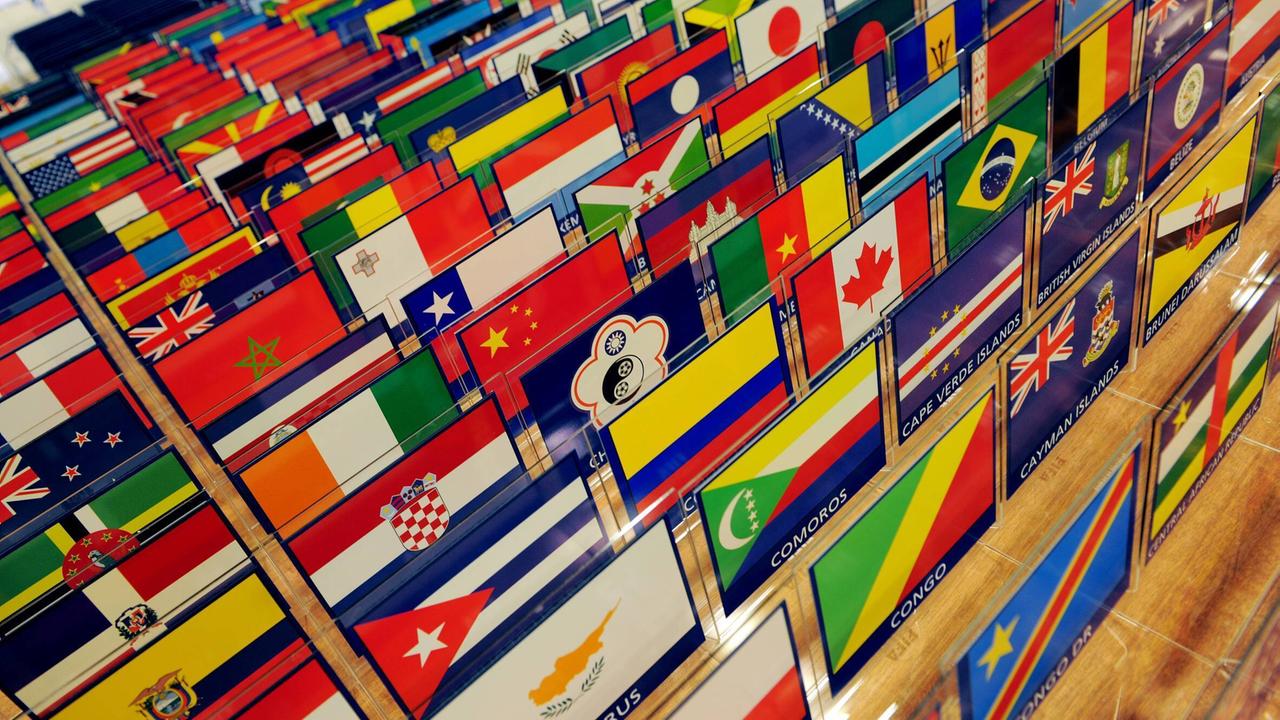
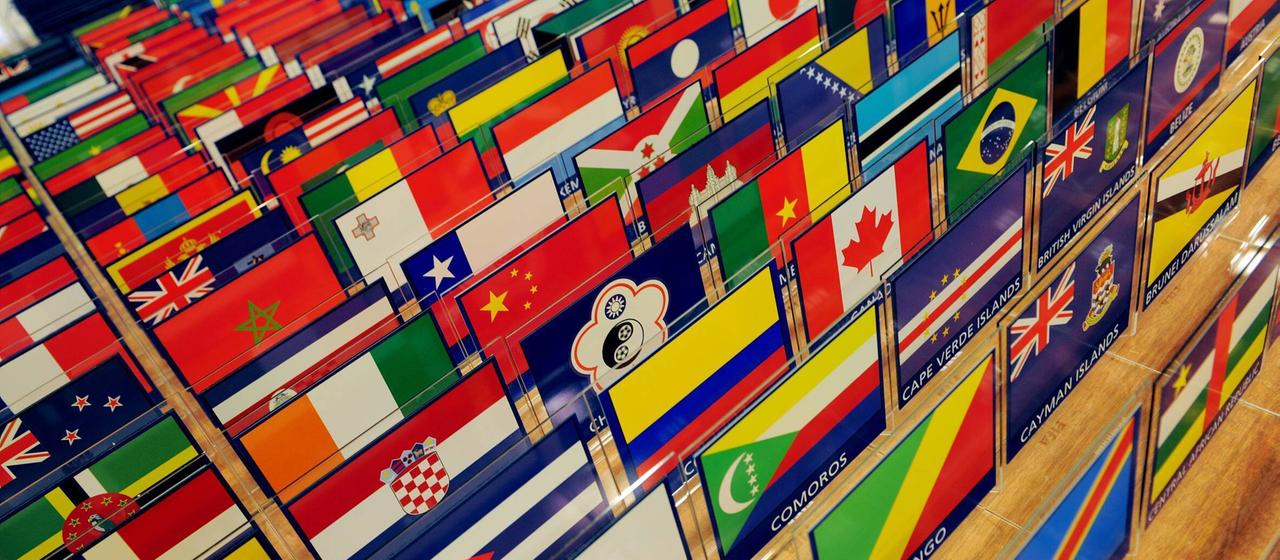
In an audacious move that has sent ripples through the international sporting community, the FIFA U15 World Cup kicked off this Thursday in Baku, Azerbaijan. The tournament, a gargantuan logistical endeavor, features 189 youth teams from across the globe. By inviting every one of its 211 member associations to participate, FIFA has created a competitive landscape of unprecedented scale, aiming to redefine the global youth football pathway.
However, the tournament is overshadowed by profound political tensions. Most notably, the Russian Football Union (RFU) is participating, marking its first appearance at a global FIFA event since the onset of the full-scale invasion of Ukraine. While the world’s youth descend upon Baku, the conspicuous absence of Ukraine and the German Football Association (DFB) serves as a stark reminder of the geopolitical fractures that even the "universal language" of football cannot bridge.
Chronology of the Controversy
The path to Baku was paved with diplomatic maneuvering and internal friction within the FIFA Council. The concept of a mass-participation U15 tournament was championed by the FIFA leadership, specifically President Gianni Infantino, as a means to democratize access to elite development structures.
- Early 2026: FIFA announces the inaugural U15 World Cup, emphasizing its "inclusive" nature by inviting all 211 member associations.
- Mid-2026: The Ukrainian Association of Football (UAF) formally declines the invitation, citing sport-political concerns.
- August 2026: Reports confirm the inclusion of the Russian national team, sparking immediate backlash from several European member associations.
- September 2026: FIFA President Gianni Infantino visits Baku, meeting with President Ilham Aliyev, and publicly praises the host nation’s commitment to "uniting communities."
- October 20, 2026: The tournament officially begins in Baku amidst a complex security and political climate.
The Russian Return and the Diplomatic Fallout
The inclusion of Russia in the tournament has reignited the debate over the neutrality of sport. Since the start of the war in Ukraine, Russian teams have been suspended from all UEFA and FIFA competitions for "safety and security reasons." Yet, the Russian Football Union remains a fully paid-up member of FIFA.
The Ukrainian Association of Football (UAF) was quick to address the development. In a statement provided to the Sportschau, the UAF clarified that their decision to abstain was made based on "sporting and moral considerations" long before the Russian participation was confirmed. Upon learning of the RFU’s involvement, the UAF proactively informed other European federations. The result was a fragmented European response: some nations joined the boycott, while others decided to compete but pledged to refuse any match against Russian opposition.
"We are grateful to the European football family for their support and their unified stance in isolating Russia within the footballing world," the UAF stated. This sentiment highlights a growing rift between FIFA’s central leadership, which appears eager to reintegrate Russia, and the national associations that remain committed to the sanctions regime.
The DFB’s Stance: A Strategic Withdrawal
While the conflict in Ukraine serves as the backdrop for many boycotts, the German Football Association (DFB) has provided a different rationale for its absence. With 37 of 55 UEFA members choosing to participate, the DFB’s decision to stay home is particularly notable.
The DFB officially cited "sporting and development-focused reasons" for their refusal to send a squad. In a detailed response, the federation argued that elite competitive environments for children as young as 15 are counterproductive to long-term development. "From our perspective, talents should not be exposed to the side effects of the professional football business too early," the DFB stated. They highlighted concerns regarding "increased pressure to perform, premature public assessment of their abilities, and the early encroachment of agents and commercial interests into their private lives."
This pedagogical argument stands in stark contrast to FIFA’s "more is better" approach, positioning the DFB as a guardian of traditional youth development values against what they perceive as the creeping commercialization of childhood football.
Supporting Data: The Logistics of a Mega-Event
The sheer magnitude of the Baku tournament is staggering. With 189 teams participating, the event aims to facilitate nearly 1,000 matches over just nine days. To manage this volume, the competition is being held on 20 separate small-sided pitches.
- Format: Eight-a-side matches with 14-player squads.
- Competition Structure: Teams are divided into 32 preliminary groups. Based on their performance, they are then partitioned into six distinct mini-tournaments, each with its own winner.
- Global Representation: Only a handful of nations—Eritrea, Libya, North Korea, and the USA—have joined the boycott alongside Ukraine and Germany, demonstrating that the vast majority of the global south and parts of Asia and Africa are fully integrated into FIFA’s new vision.
The Infantino Doctrine: Football as a Universal Tool?
At the heart of the controversy is FIFA President Gianni Infantino. His public statements have consistently pushed for the reintegration of Russia, famously remarking earlier this year that "the sooner everyone is involved in a World Cup, the better."
Critics point to the "Order of Friendship," an award bestowed upon Infantino by Vladimir Putin in 2019, as evidence of a cozy relationship that influences FIFA’s governance. For Infantino, the Baku tournament is a proof-of-concept for his broader vision of football’s role in diplomacy. He views the sport as a bridge that can bypass the "politics of the elite," even if that means hosting events in countries with highly questionable human rights records, such as Azerbaijan.
Arsène Wenger, FIFA’s Chief of Global Football Development, echoed this sentiment in a promotional video: "It was a dream to have everyone from the world together. We say at FIFA that football unites the world." However, this narrative of "unity" is being tested by the reality on the ground in Baku.
Implications: Azerbaijan’s "Soft Power" Strategy
The choice of Azerbaijan as the host country for this massive experiment is not coincidental. Under President Ilham Aliyev, Azerbaijan has aggressively utilized sports diplomacy—or "sportswashing"—to improve its international image and deflect criticism regarding its human rights record.
Human rights organizations have repeatedly warned that the regime uses high-profile sporting events to demonstrate strength and global integration while simultaneously suppressing dissent at home. The presence of international football stars and administrators in Baku provides the government with a veneer of legitimacy that, according to critics, is directly tied to the hosting of these events.
As FIFA looks toward 2027, when Azerbaijan will co-host the U20 World Cup alongside Uzbekistan, the pattern of selecting nations that are eager to host regardless of the diplomatic cost seems firmly entrenched.
Conclusion: A Fractured Future
The U15 World Cup in Baku represents a watershed moment for FIFA. It is a bold, perhaps reckless, attempt to centralize youth development while ignoring the political realities that have defined the post-2022 sporting landscape.
While FIFA celebrates the "unity" of having 189 nations in one city, the absence of major football powers like Germany and the diplomatic tension surrounding the Russian participation suggest that the global football community is more fractured than ever. As the tournament proceeds, the focus will remain on whether these young players can indeed find a path of "unity" in a city that serves as a focal point for the world’s most divisive political battles. For now, the Baku experiment remains a vivid illustration of the tug-of-war between the sport’s idealistic aspirations and its messy, geopolitical reality.