The upcoming school summer holidays are meant to be a time for discovery, history lessons, and outdoor learning. However, for many schools in Leipzig, the dream of taking students out of the classroom and into the region is hitting a bureaucratic and logistical wall. Increasingly, the very S-Bahn network touted as the backbone of regional mobility is proving to be a barrier for large school groups.
The Core Conflict: When Education Meets Capacity Limits
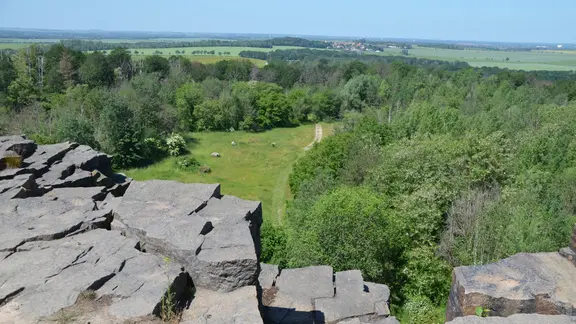
The recent cancellation of a long-planned field trip for four seventh-grade classes from the Friedrich-Schiller-Schule in Leipzig serves as a stark reminder of the widening gap between educational aspirations and transport reality. The students were meant to visit the Geopark Porphyrland—a destination chosen specifically for its rich geological history, including supervolcanoes, historic quarries, and specialized workshops.
Claudia Richter, the lead teacher who spent months organizing the excursion, expressed her profound frustration. "We had put so much effort into finding a location that offered deep, pedagogical value," she explained. "The Geopark team went above and beyond to create an immersive experience. To have the entire trip effectively vetoed because of transport logistics is heartbreaking for the students and the teachers alike."
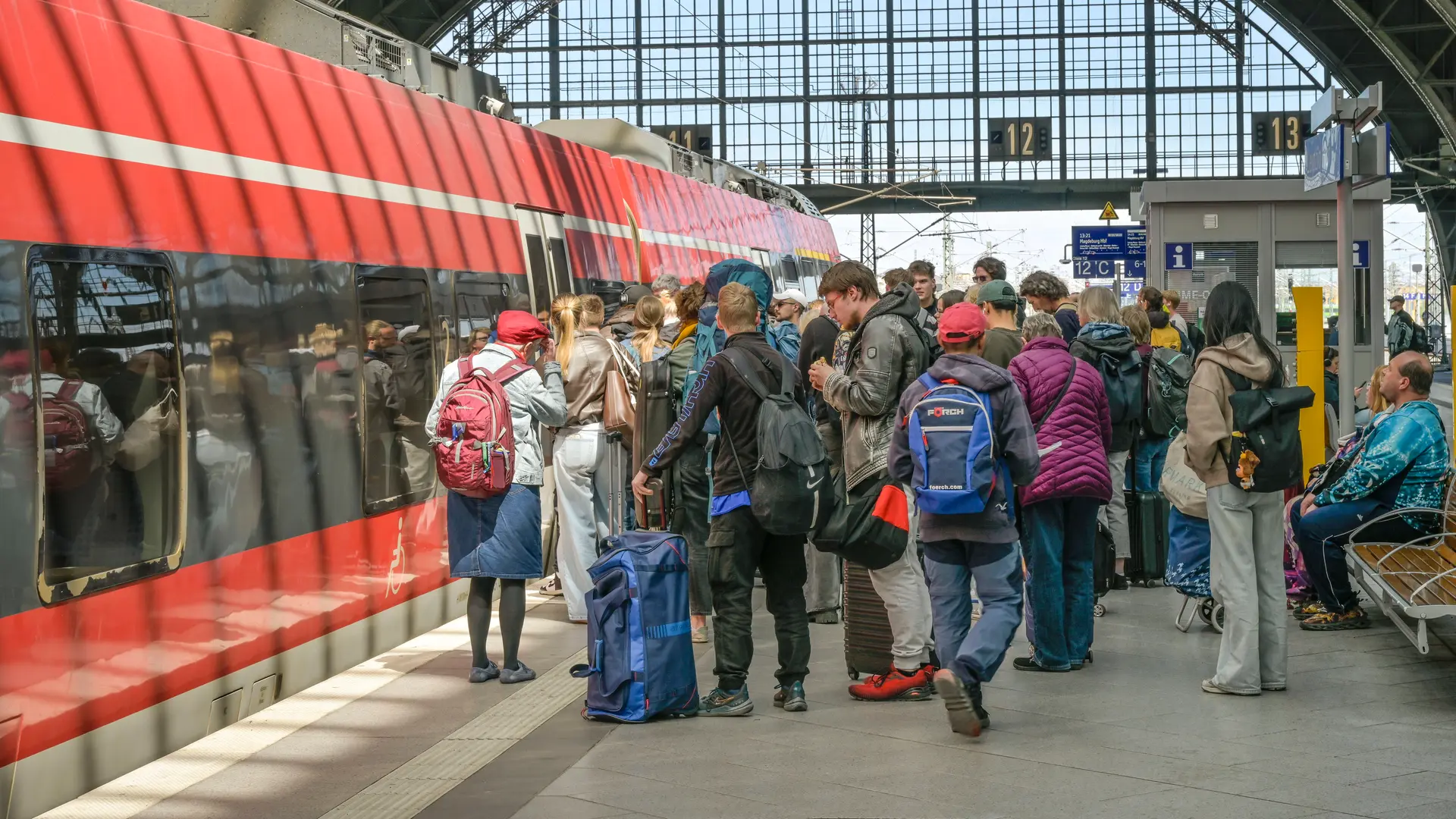
The issue lies in the capacity constraints of regional trains during peak hours and a rigid, often opaque, booking system that leaves educators feeling like second-class passengers.
Chronology of a Failed Excursion
The planning process for the Friedrich-Schiller-Schule trip began months in advance. The school carefully coordinated with the Geopark Porphyrland, confirming dates, booking specialized guides, and preparing the curriculum for the day. The final step was securing transport for 112 students and their accompanying staff to the towns of Grimma, Wurzen, and Hohburg.
- Months Prior: Initial curriculum planning and coordination with Geopark Porphyrland.
- Weeks Prior: Teachers finalize the itinerary and prepare to register the groups for rail travel.
- Late June 2026: The teacher attempts to register the group at the Deutsche Bahn (DB) travel center at Leipzig Central Station.
- The Confrontation: Staff at the counter inform the educator that they cannot guarantee or provide the requested capacity for four large classes on the chosen date.
- The Aftermath: The trip is cancelled. The school is forced to pivot to a local alternative that requires no rail travel, stripping the students of their planned "field experience."
The Impact on Educational Outreach
The Geopark Porphyrland is not just a destination; it is an active educational partner. Rebecca Löffler, a lead education consultant at the park, described the impact of the cancellation from the provider’s perspective.

"We don’t just open a gate and let kids in," Löffler noted. "We have dedicated ‘Geo-Rangers’ who prepare specific, age-appropriate educational modules. In this case, we had five experts involved, all of whom had adjusted their schedules. When these trips are cancelled, it isn’t just a lost day for the students; it is a wasted effort for the dedicated staff who pour their passion into these programs."
For the Geopark, this is part of a growing trend. They report an increasing number of schools expressing interest in their programs but later backing out due to "transport uncertainty." This creates a climate of instability where schools are hesitant to book remote educational activities, fearing that their investment of time and money will be rendered moot by a lack of train seats.
Official Stance: The Deutsche Bahn Perspective
In response to the growing criticism, Deutsche Bahn (DB) maintains that their system is functional, albeit under immense pressure. According to official communication from the rail operator, group travel is generally possible, but it is subject to strict capacity management.
The "Guidelines" for Groups
Since March of the previous year, the DB has pushed for groups larger than 20 people to utilize their dedicated online group registration portal. The operator claims this is the most effective way to ensure smooth travel. However, they stop short of making it a legal requirement.
"For groups of 21 people or more, we strongly recommend using the online registration platform at least 10 days before the date of travel," a DB spokesperson stated. "While it is not a mandatory obligation, it allows us to gauge demand and, where possible, allocate extra carriages or resources."
The "No Guarantee" Reality
Crucially, the DB clarified that even if a group successfully registers online, it does not constitute a guaranteed reservation in the traditional sense. If a train is deemed "over-capacity" due to commuter traffic or other unforeseen circumstances, the group may still be denied boarding. This admission has sparked significant controversy, as schools are often required to pay for the tickets upfront, creating a financial risk for institutions that already operate on tight budgets.

"In the vast majority of cases, we can accommodate these groups," the statement continued. "We only decline when the capacity limit is clearly exceeded. In those instances, we recommend that schools divide their groups into smaller segments or consider traveling during off-peak hours—typically outside the morning and evening rush."
Implications for Public Policy and Education
The tension between school transport needs and rail capacity highlights a broader issue in regional planning. If the state wants to promote "learning outside the classroom" and encourage the use of public transport over private buses, the infrastructure must support that shift.
The "Divide and Conquer" Dilemma
Teachers like Claudia Richter point out the irony of the DB’s advice. "They tell us to just split the group up," Richter said. "But do they understand the duty of care? If you have 112 students and you split them across four different trains over the span of three hours, the logistics become a nightmare. Who supervises the kids who arrive early? Who is responsible for those who arrive late? It’s not a viable solution for school management."

The Call for Coordinated Mobility
Educational experts are beginning to call for a more integrated approach to student mobility. This would involve:
- Priority Booking Windows: Creating a specific "Education Tier" for train bookings that prioritizes school groups during specific off-peak windows.
- Infrastructure Investment: Increased investment in regional rolling stock to ensure that extra capacity is actually available when needed, rather than the current "if it’s available" approach.
- Cross-Sector Communication: Better coordination between the Ministry of Education and the Ministry of Transport to ensure that when schools plan curriculum-based trips, the transport capacity is reserved at the state level.
Looking Ahead: A Crisis of Confidence
The current situation is eroding the relationship between schools and public transport providers. When teachers feel that they cannot rely on the train, they revert to the most reliable method: hiring private coach buses.
This creates a vicious cycle. As fewer schools use the rail network for excursions, the perceived "need" for student-specific capacity decreases, potentially leading to even fewer resources being allocated to school group logistics in the future.

Furthermore, there is the environmental impact. The shift from a high-capacity S-Bahn train to a fleet of diesel-powered coaches contradicts the state’s own climate goals. If schools are forced to rely on private bus companies because the public rail network is "too crowded" or "too unreliable," the regional transport strategy is failing on both an educational and a sustainable development level.
Conclusion
The case of the Friedrich-Schiller-Schule is more than a one-off logistical error; it is a symptom of a systemic lack of coordination. While the Deutsche Bahn must operate within the realities of limited capacity and the demands of thousands of daily commuters, schools are tasked with the vital role of educating the next generation.
For these two worlds to coexist, there must be a shift in policy. Without a formal, reliable, and guaranteed system for booking student group travel, more "supervolcanoes" and "history lessons" will remain confined to the pages of a textbook, and the opportunity for students to engage with their local heritage will continue to be lost at the platform edge.

As the summer holidays approach, educators are left hoping for a change—not just in the weather, but in the institutional support that allows their classrooms to extend into the world around them. Until then, the empty seats on the S-Bahn during mid-morning hours will remain a silent testament to the disconnect between regional capacity and the needs of the community.