By Our Regional Reporting Desk, Dresden

The chronic overcrowding of the "Trilex" train lines connecting Dresden with Görlitz and Zittau has reached a breaking point, prompting an emergency intervention by regional transport authorities and the operator, Die Länderbahn. Effective as of this week, three additional train sets have been integrated into the schedule to address the severe capacity shortages that have plagued commuters for months. This move comes as a direct response to the surge in passenger numbers following the widespread adoption of the nationwide "Deutschlandticket."

The Current Crisis: A Network Strained to Its Limits
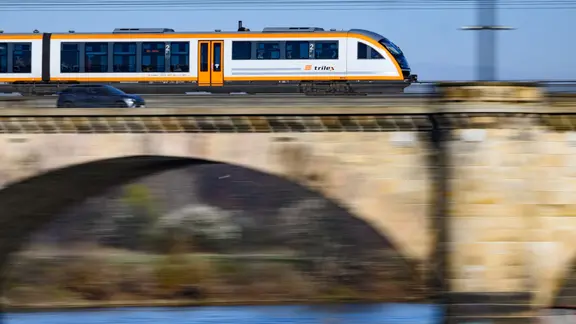
The Trilex network, operated by Die Länderbahn (a subsidiary of the Italian state-owned rail operator Ferrovie dello Stato through its German branch, Netinera), serves as a critical artery for commuters in eastern Saxony. For months, passengers have reported near-impossible travel conditions, including packed carriages, skipped stops due to safety concerns, and consistent delays.
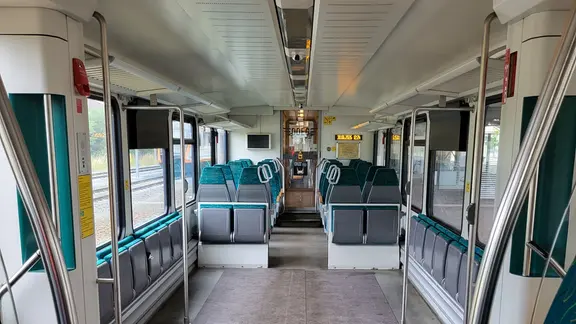
The situation became particularly untenable during morning and evening rush hours, where students and workers alike found themselves unable to board trains, or forced to travel in hazardous, standing-room-only conditions. The operator has been under immense pressure from both the public and local politicians to find a solution that extends beyond the current, limited fleet.
Chronology of the Capacity Shortage
- Pre-2023: The Trilex network operated within normal capacity parameters, with minor fluctuations managed by existing fleet rotations.
- May 2023: The introduction of the "Deutschlandticket" (the €49 monthly nationwide transit pass) led to an immediate, unprecedented spike in regional rail ridership across Germany.
- Autumn 2023 – Spring 2024: Persistent complaints regarding the Dresden-Görlitz and Dresden-Zittau lines began to surface. Passenger groups and municipal leaders in the Lusatia region highlighted a "systemic failure" to accommodate the increased demand.
- August 2024: Die Länderbahn management publicly admitted to a severe vehicle bottleneck, noting that every available train in their inventory was already in active service.
- September 2024: Following intense negotiations with the Verkehrsverbund Ostsachsen (VVO), an emergency contract was signed to lease three train sets from the Ostdeutsche Eisenbahn-Gesellschaft (ODEG).
- September 7, 2024: The three additional train units were officially deployed, marking the beginning of a short-term relief phase scheduled to last through December.
Technical Limitations and Operational Challenges
The deployment of these additional trains is not a "plug-and-play" solution. The leased units from the Ostdeutsche Eisenbahn-Gesellschaft (ODEG) are specific Gelenktriebwagen (articulated railcars) that feature a unique engineering layout, with the motor positioned in the center of the carriage. This design choice presents several operational hurdles:

- Incompatibility: Because these units cannot be coupled with the existing Trilex fleet, they must be operated as standalone units. This limits the operator’s ability to create longer train formations during peak demand.
- Accessibility Issues: A significant concern raised by the operator is the lack of barrier-free access. Due to the discrepancy between the platform heights at many stations in the rural sections of the network and the door-sill height of the leased ODEG trains, these units are not suitable for passengers with limited mobility, wheelchair users, or travelers with heavy luggage. The operator has explicitly advised these groups to avoid the specific services marked with the substitute trains.
Despite these limitations, the inclusion of these trains provides approximately 100 additional seats per unit, offering a crucial, if imperfect, buffer during the most critical times of the day.

Supporting Data and Financial Framework
The financial burden of this emergency measure is being shouldered by the Verkehrsverbund Ostsachsen (VVO). According to VVO officials, a budget of one million euros has been ring-fenced to cover the leasing costs, fuel, maintenance, and personnel associated with the additional services.

However, VVO spokesperson Christian Schlemper noted that the final expenditure remains fluid. "We are monitoring the usage rates and the operational costs daily," Schlemper stated. "The million-euro allocation is a ceiling to ensure that the immediate service gaps are filled without bureaucratic delay."
The demand for capacity is not merely anecdotal. Regional transport data suggests that ridership on the Dresden-Görlitz line has increased by over 20% compared to pre-2023 figures. This growth has outpaced the procurement cycles of the rolling stock, which typically take years to finalize.
The "Fremdanbieter" (Third-Party Provider) Dilemma
Early in the planning stages of this relief effort, the VVO and Die Länderbahn considered leasing a complete, independent train set from a different private rail operator to run as an "express" service. This would have provided a significant capacity boost, potentially easing the pressure on the regular lines.

However, the proposal was ultimately rejected due to prohibitive costs. "The rates quoted for a full, external train set were economically unsustainable under the current regional transport budget," a VVO source explained. The decision to lease individual units from ODEG—a company already linked to the same parent group, Netinera—proved to be the only path forward that balanced financial prudence with the urgent need for more seats.
Official Responses and Strategic Outlook
Die Länderbahn has been careful to frame this as an interim measure. "Our primary goal is to stabilize the service levels for our daily commuters," said a company spokesperson. "The lease agreement through December is a tactical response to an exceptional set of circumstances."
Looking further ahead, the long-term solution lies in the expansion of the permanent fleet. By the end of 2027, the regional transport authority has confirmed the addition of five "Desiro" train sets to the permanent Trilex fleet. These modern, high-capacity trains are expected to resolve the current, chronic shortages permanently and allow for the retirement of the temporary leased units.

Implications for the Future of Regional Transit
The Trilex crisis highlights a broader, nationwide challenge: the disconnect between political initiatives to promote public transport (like the Deutschlandticket) and the physical capacity of the rail infrastructure. While the policy success of the ticket is undeniable in terms of rider numbers, the "growing pains" have hit regions like Eastern Saxony particularly hard.

Key Implications:
- Infrastructure Investment: The current reliance on old platform designs and limited rail capacity in rural areas is being exposed. The VVO and state government are now facing calls to expedite the modernization of station platforms to ensure that all future fleet additions—regardless of the manufacturer—are fully accessible.
- Fleet Flexibility: The incident has underscored the necessity for standardized coupling technology across regional networks. Had the leased trains been compatible with the existing fleet, the capacity increase could have been more efficient and less disruptive to the timetable.
- Budgetary Pressures: As ridership continues to grow, regional transport authorities will need to rethink their budgetary models. The "emergency million" used here is a reminder that rail transit is a high-fixed-cost industry, and reactive measures are significantly more expensive than proactive capacity planning.
Conclusion
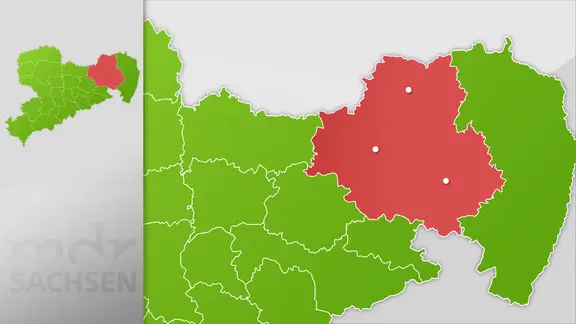
For the residents of Bautzen, Zittau, and Görlitz, the arrival of the three additional trains is a welcome relief, though it remains a temporary fix for a complex, systemic issue. The next three years—the gap between today’s emergency measures and the arrival of the new Desiro fleet in 2027—will be a period of intensive monitoring for the VVO.

The success of these additional services will be measured not just in seat counts, but in the restoration of public trust. As Saxony continues to push for a greener, more connected state, the Trilex network will serve as a bellwether for the region’s ability to turn political vision into reliable, everyday infrastructure. The lesson from this crisis is clear: without the rolling stock to match the demand, the promise of affordable, accessible transit remains incomplete. For now, the people of the Lusatia region will have to navigate a complex, albeit slightly more spacious, journey to work and school.