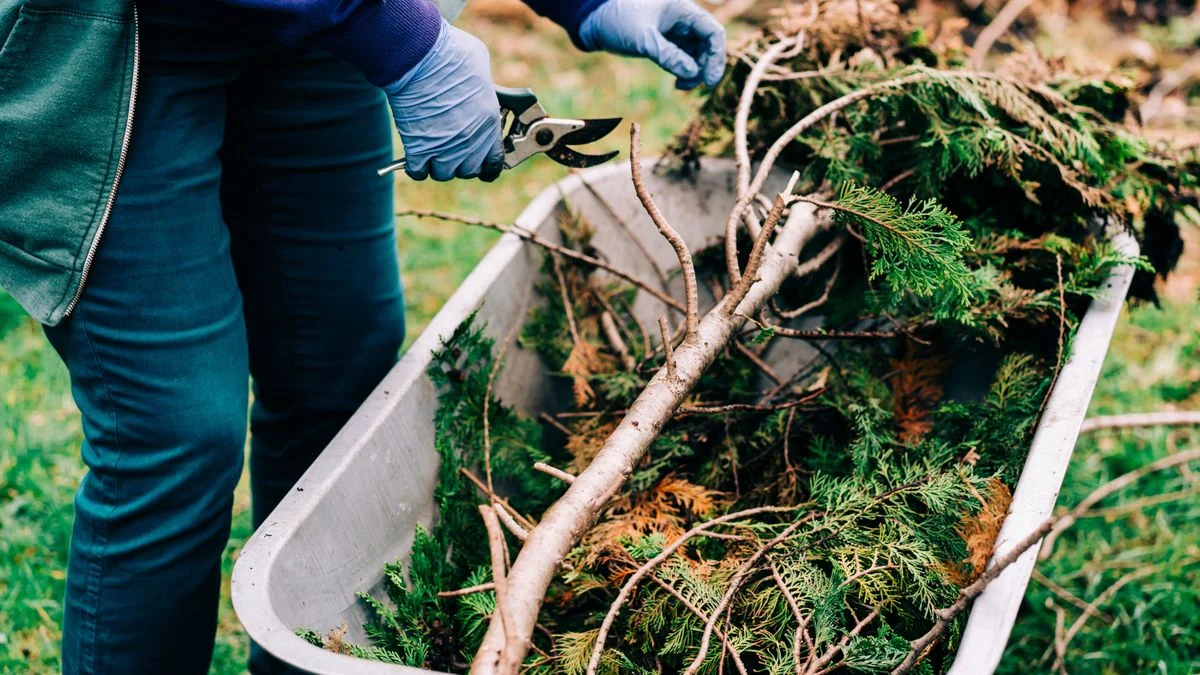
As the vibrant colors of autumn fade and the first frost begins to settle on the lawn, gardeners across the country face a critical transition period. The shift from the growing season to the dormancy of winter is not merely a time to hang up the gardening gloves; it is a vital phase of horticultural management. Properly winterizing your garden is essential for protecting delicate perennial stock, maintaining soil health, and ensuring a robust start when spring arrives.
In this deep dive, we explore the essential practices, timing, and biological reasons behind winter garden preparation, providing you with a roadmap to navigate the colder months effectively.
The Main Facts: Why Winterization Matters
At its core, winterizing a garden is a form of risk management. Plants are biological systems highly responsive to environmental stressors. Sudden temperature drops, freeze-thaw cycles, and prolonged moisture can lead to root damage, cellular dehydration, and the proliferation of pathogens.
Soil Health and Nutrient Cycling
Winter is not a time of total stagnation for the soil ecosystem. Microorganisms, though less active, continue to break down organic matter. By adding mulch or cover crops in late autumn, you protect the topsoil from erosion caused by heavy winter rains and keep the soil structure intact.
Protection of Perennials and Shrubs
Many plants that survive the winter do so by entering a state of dormancy. However, "winter kill" often occurs not just from extreme cold, but from desiccation. Wind and low humidity can draw moisture out of evergreen needles and bark faster than the roots can pull it from frozen ground. Strategic mulching and protective wrapping serve as a barrier against these elements.
A Chronological Guide to Winter Maintenance
Successfully preparing a garden for winter requires a phased approach. Rather than attempting a massive overhaul in a single weekend, experts suggest a structured timeline that tracks with the declining temperatures.
Phase 1: Late Summer to Early Autumn (The Cleanup)
- Sanitation: This is the most crucial step in disease prevention. Remove all plant debris—particularly leaves affected by powdery mildew, black spot, or other fungal issues. Do not compost diseased material, as many garden compost piles do not reach the temperatures required to kill pathogens.
- Dividing Perennials: Late summer is the optimal time to lift and divide overcrowded perennials. This allows roots to establish in their new locations before the ground freezes.
Phase 2: Mid-Autumn (The Preparation)
- Bulb Planting: Hardy spring-flowering bulbs like tulips, daffodils, and crocuses must be planted before the ground hardens. These bulbs require a period of vernalization—sustained cold—to trigger spring blooming.
- Lawn Care: Aeration and late-season fertilization are essential. Aerating the soil allows oxygen, water, and nutrients to penetrate deeper, which is vital as the root systems prepare for dormancy.
Phase 3: Late Autumn (The Protection)
- Mulching: Once the ground has experienced its first hard frost, apply a layer of mulch (wood chips, straw, or shredded leaves) around the base of trees and shrubs. The goal here is not to keep the ground warm, but to keep it consistently cold, preventing the "heaving" effect caused by constant freezing and thawing, which can push plant roots out of the soil.
- Watering: Perhaps the most overlooked step is watering. If autumn is dry, trees and shrubs need a deep soak before the ground freezes. Well-hydrated plants are significantly more resistant to cold-related stress.
Supporting Data: The Science of Dormancy
Botanical research consistently shows that the survival rate of garden plants is directly correlated with their "hardening off" process. Hardening off is the physiological change plants undergo in response to shortening daylight hours and cooling temperatures.
During this process, plants convert starches into sugars. These sugars act as a natural antifreeze, lowering the freezing point of the sap within the plant’s cells.
Key Environmental Metrics:
- Soil Temperature: Once soil temperatures drop consistently below 45°F (7°C), root growth slows significantly.
- Daylight Duration: The photoperiod is the primary signal for deciduous trees to shed their leaves. Attempting to force growth during this period with late-season fertilizers is counterproductive, as it encourages soft, succulent growth that will be easily killed by the first frost.
- Moisture Levels: Studies from agricultural extensions indicate that plants in pots are at 30–50% higher risk of winter death than those in the ground, due to the lack of insulation provided by the earth.
Expert Perspectives and Best Practices
In recent years, the gardening community has shifted toward more ecological approaches to winterization. Gone are the days of the "pristine" garden where every stem is cut back to the dirt.
The "Leave the Leaves" Movement
Ecologists and entomologists now strongly advise against excessive tidying. Many beneficial insects, such as native bees, ladybugs, and butterflies, overwinter in the hollow stems of perennials or beneath the leaf litter. By leaving these materials in place until early spring, you are providing critical habitat for pollinators that will be essential for your garden’s success next year.
The Professional Consensus
"The goal of winterization is balance," says Dr. Elena Vance, a horticultural consultant. "You want to remove the disease vectors, but you don’t want to destroy the micro-habitats that sustain your garden’s biodiversity. A garden that is ‘too clean’ is often a garden that struggles with pests in the spring because the natural predators have been removed."
Implications: The Long-Term Benefits
The effort invested in winter preparation yields dividends that extend far beyond the immediate season.
Economic Implications
Winterizing reduces the need for expensive plant replacements in the spring. Replacing mature shrubs or trees is a significant financial investment; proactive care is a fraction of that cost.
Biodiversity Impacts
A garden managed with winter ecology in mind serves as a vital refuge. As urban and suburban development continues to shrink natural habitats, residential gardens are becoming increasingly important for local fauna. By leaving seed heads (such as those from coneflowers or sunflowers) for birds and providing shelter in the form of leaf mulch, the home gardener becomes a steward of the local ecosystem.
Climate Resilience
With weather patterns becoming increasingly unpredictable, gardening for winter is a lesson in resilience. We are seeing more "false springs"—warm periods in February or March that trick plants into budding, followed by a hard frost. Proper mulching and choosing native, cold-hardy species are the best defenses against these shifting climate variables.
Conclusion: A Seasonal Rhythm
Winterization is not an end, but a transition. It is an opportunity for the gardener to observe the bones of the landscape, assess what thrived and what failed during the summer, and set the stage for a sustainable future.
Whether you are a novice gardener with a few balcony pots or an experienced horticulturalist with a sprawling landscape, the principles remain the same: respect the biological clock of your plants, prioritize the health of the soil, and lean into the natural cycles of decay and renewal. By doing so, you ensure that when the first signs of spring appear, your garden will be ready to wake up with strength and vitality.
Final Checklist for the Season:
- Tool Care: Clean, sharpen, and oil your garden tools. Winter is the perfect time for maintenance, preventing rust and ensuring you are ready for the first pruning tasks in March.
- Irrigation Systems: Drain all hoses and blow out irrigation lines to prevent pipes from bursting when temperatures drop below freezing.
- Potted Plants: Move sensitive containers into an unheated garage or shed, or wrap them in burlap to provide an extra layer of thermal insulation.
- Planning: Use the quiet winter months to review garden journals, order seeds for the coming year, and plan new projects. The mental work of gardening is just as important as the physical labor.