BERLIN – In a move that signals a seismic shift in Germany’s social security policy, a high-level expert commission has recommended a fundamental restructuring of the nation’s pension system. As the country grapples with the demographic pressures of an aging population and a shrinking workforce, the commission’s proposal to link the statutory retirement age to future increases in life expectancy has sent shockwaves through Berlin’s political corridors.
The report, which outlines 33 key recommendations, was eagerly awaited by the federal government. With officials having previously signaled their intention to incorporate these findings into a comprehensive reform package, the proposals are set to become the cornerstone of the most significant pension debate in decades.
Main Facts: A Paradigm Shift for the German Pension System
The core of the commission’s proposal lies in a departure from fixed, arbitrary retirement ages. Under the new recommendations, the statutory retirement age would no longer remain static but would instead automatically adjust in tandem with rising life expectancy. This "dynamic adjustment" is designed to ensure the long-term financial viability of the German state pension (Gesetzliche Rentenversicherung) as the "Baby Boomer" generation exits the labor market.
Beyond the retirement age, the commission has taken aim at one of the most contentious aspects of recent social policy: the "Rente mit 63" (retirement at 63 without deductions for long-term contributors). The commission advises a phased abolition of this early retirement option, arguing that the labor market can no longer afford to lose skilled workers prematurely.
To mitigate the resulting financial strain on future pensioners, the commission also proposes a diversification strategy: a shift toward capital-backed pension components. By leveraging market-based returns—specifically through equity investments—the state aims to supplement the traditional pay-as-you-go system, which is currently under immense pressure from the widening gap between contributors and beneficiaries.
Chronology: The Road to Reform
The journey toward this report began in response to the growing realization that the current pension funding model was approaching a breaking point.
- 2023–2024: Mounting pressure from economic think tanks and the German Bundesbank regarding the sustainability of the "Rentenniveau" (pension level) forced the coalition government to establish a formal commission.
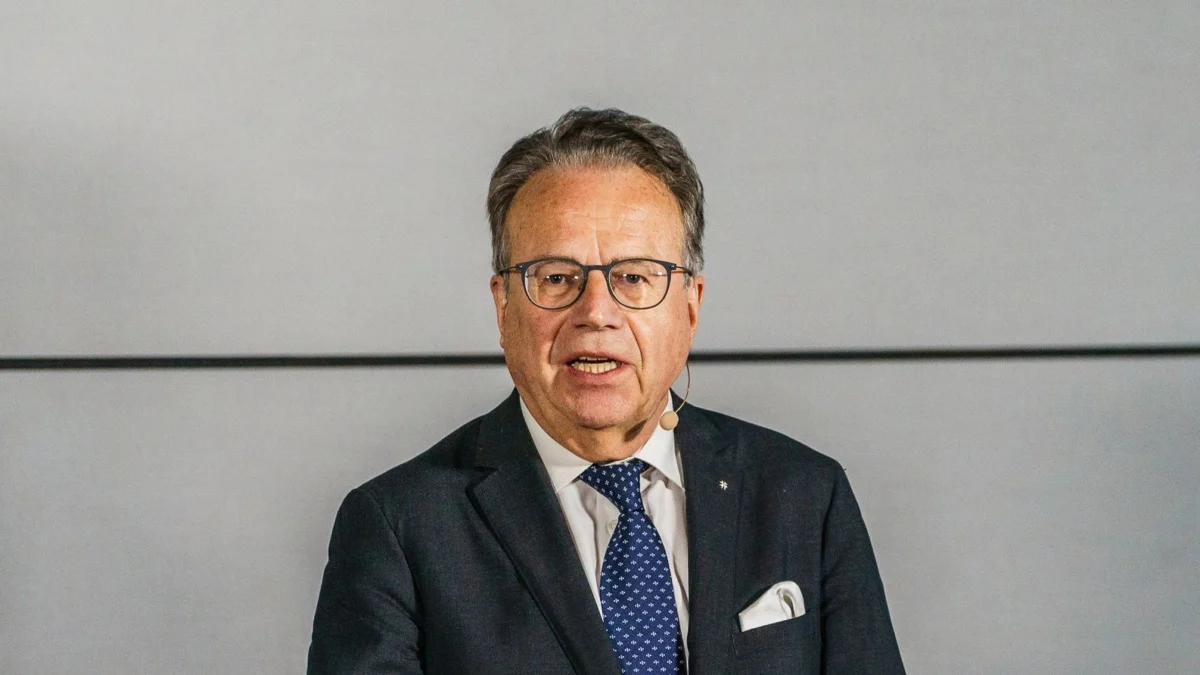
- Early 2026: The commission, co-chaired by Professor Constanze Janda and former Federal Employment Agency head Frank-Jürgen Weise, commenced its deliberations. The group comprised ten experts, with balanced representation from both the SPD and the Union (CDU/CSU), reflecting the cross-party consensus required to implement such a sensitive reform.
- June 20, 2026: The findings were finalized and presented to the public. The consensus-driven nature of the report—with approval rates for individual proposals hovering above 70 percent—underscores the gravity of the situation and the political desire for a unified approach.
Supporting Data: The Demographic Imperative
The necessity of these reforms is backed by stark demographic data. Germany’s old-age dependency ratio—the number of people aged 65 and over relative to those of working age—is projected to climb significantly by 2035.
- Workforce Attrition: As the post-war generation retires, the German labor market faces a labor shortage estimated in the millions. The removal of the "Rente mit 63" is intended to incentivize at least an additional 18 to 24 months of labor force participation for hundreds of thousands of workers annually.
- Fiscal Pressure: Without structural reform, federal subsidies to the pension fund—which already account for nearly a quarter of the federal budget—would need to increase to unsustainable levels.
- Life Expectancy Trends: Statistical data confirms that a 65-year-old today lives on average four years longer than a 65-year-old in 1990. The commission argues that the ratio of "working years" to "pension years" must be maintained to prevent a collapse of the contribution-based system.
Official Responses and Political Dynamics
The atmosphere in Berlin remains charged. While the "consensus" claim by the commission suggests a unified front, the reality of implementing these changes is fraught with political peril.

The Government’s Stance
The governing coalition has previously indicated that they are prepared to treat the commission’s recommendations as a blueprint for legislation. However, the SPD, historically protective of the "Rente mit 63," faces internal resistance from its left wing and trade union partners. Proponents of the reform within the cabinet argue that "inaction is the greatest risk to social peace," suggesting that failing to reform now will lead to much harsher, forced cuts later.
Opposition and Interest Groups
The CDU/CSU opposition has largely welcomed the focus on fiscal responsibility, viewing the move toward equity-based returns as a validation of their long-standing economic principles. Conversely, labor unions and social advocacy groups have voiced strong concerns. They argue that linking retirement age to life expectancy unfairly penalizes manual laborers and those in physically demanding professions, who often cannot work longer regardless of their life expectancy.

Implications: A New Era for the German Labor Market
The implications of these proposals extend far beyond the pension fund itself.
1. The End of Early Retirement
The phasing out of the "Rente mit 63" represents a significant cultural shift. For years, this policy was a hallmark of German social policy, designed to reward long-term workers. Its removal signifies a shift toward a "work-longer, stay-longer" model that prioritizes productivity over early exit, even for those with extensive contribution histories.

2. Capital Market Participation
The introduction of an equity-backed component is perhaps the most radical departure from tradition. Germany has long relied on the "pay-as-you-go" system (Umlageverfahren). By integrating equity returns, the government is signaling that the era of relying solely on current contributions is over. This move could also influence the personal financial habits of German citizens, potentially encouraging a broader culture of long-term investment.
3. Social Equity Challenges
The most significant challenge for the federal government will be addressing the social implications of the "life expectancy" link. Critics point out that life expectancy is not distributed equally across socio-economic strata. Higher-income earners often live longer than lower-income earners. If the retirement age rises, there is a risk that the poorest in society will pay into the system longer while receiving benefits for a shorter period, potentially exacerbating wealth inequality.

4. Economic Competitiveness
From a macroeconomic perspective, keeping people in the workforce longer is seen as a vital necessity to maintain Germany’s position as a leading global industrial power. With the "Fachkräftemangel" (skilled labor shortage) currently cited by businesses as their primary obstacle to growth, the commission’s proposal is viewed by the business community as a essential supply-side intervention.
Conclusion: The Path Ahead
The report by the commission is not a law, but it is a powerful catalyst. As the German government begins the process of drafting legislation based on these 33 recommendations, the coming months will be defined by intense negotiations.

The proposal to link the retirement age to life expectancy and the move toward a capital-backed system represent a "third way" between complete privatization and the status quo. Whether the government can navigate the social backlash while maintaining the fiscal discipline required to stabilize the pension system remains the defining challenge of the current legislative period.
For the average German worker, the message is clear: the rules of the retirement game are changing. The focus is shifting from "how early can I leave" to "how long can I contribute," a transition that will require a profound change in both public policy and individual expectations. As the debates heat up in the Bundestag, the eyes of the nation—and its international partners—remain fixed on Berlin, waiting to see if this historic compromise can truly secure the future of the German pension.