As the new trading week commences, global markets are bracing for a period of heightened sensitivity. Investors find themselves at a crossroads, balancing the lingering anxieties of geopolitical instability in the Middle East against a rigorous schedule of European economic policy discourse and domestic industrial introspection. With central bank rhetoric, consumer sentiment metrics, and industrial summits converging, the coming days are poised to set the tone for the remainder of the quarter.
I. Main Facts: The Nexus of Policy and Geopolitics
The current market environment is characterized by a "wait-and-see" approach. The primary drivers for European indices and the Euro currency remain threefold: the potential for a regional escalation in the Middle East, the trajectory of interest rate policy under European Central Bank (ECB) President Christine Lagarde, and the structural integrity of the German manufacturing base.
The central narrative for Monday is the confluence of macro-economic data and political accountability. While geopolitical tensions traditionally create safe-haven flows, the market’s attention is currently fixed on whether the ECB can maintain its easing path without triggering further currency devaluation or inflation spikes. Simultaneously, the German industrial complex—the traditional engine of the Eurozone—is facing a moment of reckoning, as leaders gather in Berlin to address the erosion of competitive advantages.
II. Chronology of Events
The week is structured around key milestones that are expected to induce volatility:
- Monday Morning (Brussels): ECB President Christine Lagarde addresses the European Parliament’s Committee on Economic and Monetary Affairs. Her testimony is expected to provide critical signals regarding the Governing Council’s appetite for further rate cuts in the autumn.
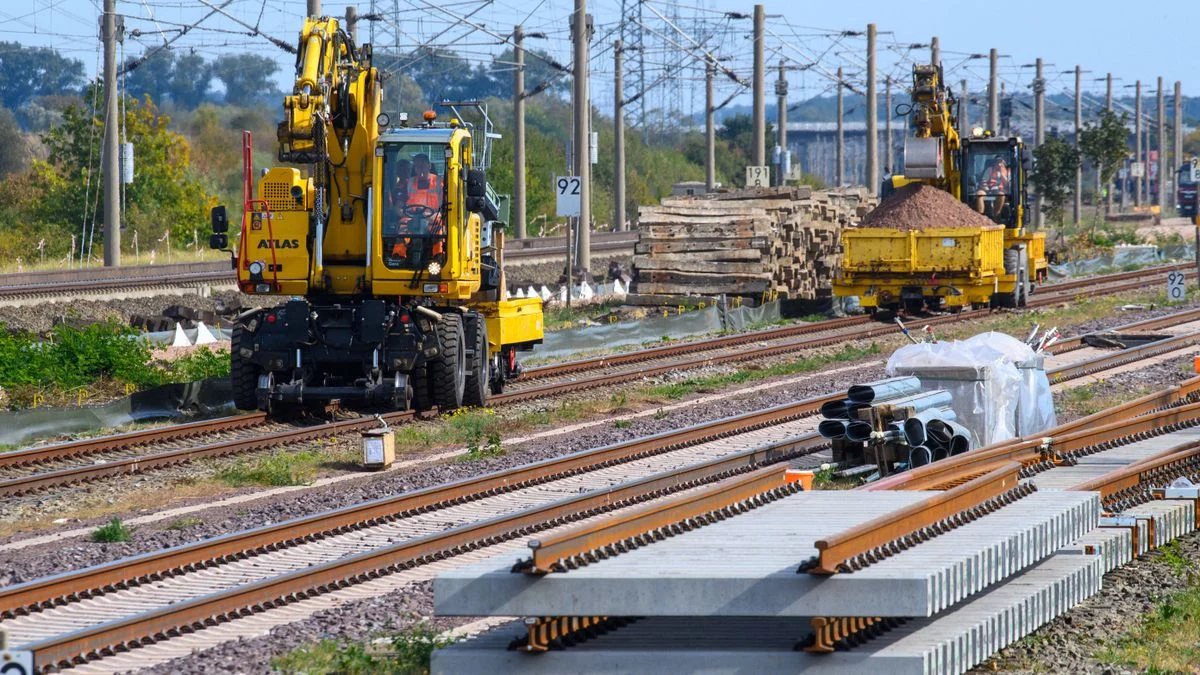
- Monday Afternoon (Berlin): The German industrial sector convenes for a high-level summit. This meeting comes at a time when energy costs, regulatory burdens, and labor shortages have pushed the country’s manufacturing output to near-stagnation levels.
- Tuesday/Wednesday (Data Release): The Eurostat and GfK data regarding consumer confidence for June will be released. These figures serve as a proxy for how households are absorbing the current inflationary environment and whether they are prepared to tighten spending habits further.
- Ongoing (Global): Real-time monitoring of geopolitical developments in the Middle East remains a persistent variable. Any escalation in energy-producing regions could fundamentally alter the inflation outlook for the Eurozone, forcing the ECB to pivot its current easing strategy.
III. Supporting Data: The Indicators to Watch
Market participants are currently focusing on a basket of indicators that define the health of the Eurozone.
Consumer Confidence and the Retail Outlook
The June consumer confidence data is the most anticipated metric of the week. Analysts are looking for a rebound from the stagnant levels seen in the first quarter. If consumer confidence remains depressed, it indicates that the ECB’s high-interest-rate regime is successfully cooling demand—perhaps too successfully—risking a technical recession.
Industrial Output and Energy Costs
Germany’s industrial production remains the primary concern. Recent data suggests a divergence between service-sector growth and manufacturing decline. With energy prices remaining volatile due to external pressures, German manufacturers are struggling to compete with international peers. The data from the Berlin summit is expected to highlight the gap between the government’s green transition goals and the immediate operational realities of energy-intensive industries.
The Lagarde Factor
President Lagarde’s testimony is not merely a procedural formality. It is an opportunity for the market to gauge the ECB’s reaction function. Current expectations lean toward a "data-dependent" approach, but investors are looking for nuance in her language regarding the "neutral rate"—the level of interest rates that neither stimulates nor constrains the economy.
IV. Official Responses: Policy and Industry
The European Central Bank’s Stance
ECB officials have been vocal about the necessity of maintaining a restrictive policy stance until inflation is firmly anchored to the 2% target. However, behind closed doors, there is growing concern that keeping rates elevated for too long will exacerbate the downturn in the Eurozone’s industrial heartland. President Lagarde is expected to emphasize that while inflation is trending downward, the "last mile" of disinflation remains the most difficult to achieve.
The Berlin Summit: A Plea for Reform
The industrial summit in Berlin is anticipated to be a forum for intense criticism of current government policies. German industry leaders are reportedly preparing to present a unified front, calling for:
- Lower Energy Tariffs: Subsidies or market interventions to offset the loss of cheap Russian gas.
- Bureaucratic Deceleration: A reduction in the regulatory burden mandated by the EU’s Green Deal initiatives.
- Investment Incentives: Tax breaks for capital expenditure (CapEx) to encourage the adoption of AI and automation.
The government response has been cautious. Berlin is currently constrained by its own "debt brake" (Schuldenbremse), which limits the ability of the state to provide the fiscal stimulus that industrial leaders are demanding.
V. Implications: What Lies Ahead
The Geopolitical Risk Premium
The ongoing situation in the Middle East introduces a "risk premium" into oil and gas prices. Should the situation deteriorate, the resulting spike in energy costs would likely cause a supply-side shock, forcing the ECB to choose between supporting a faltering economy and fighting rising inflation. This creates a "stagflationary" risk that keeps investors on edge.
The Future of European Manufacturing
If the Berlin summit fails to yield actionable policy changes, there is a distinct risk of further "deindustrialization" in Europe. Major corporations are already scouting locations in North America and Asia for future investment, drawn by more stable energy prices and favorable regulatory environments. The implication for the Eurozone is a potential loss of long-term GDP growth potential.
Market Volatility and Strategy
For the remainder of the week, equity markets are likely to remain range-bound. Investors are seeking clarity. If Lagarde hints at a more aggressive easing cycle, we may see a rally in European equities. Conversely, if she emphasizes that inflation remains "sticky," we could see a retreat in risk assets, accompanied by a strengthening of the Euro as markets price in "higher-for-longer" interest rates.
Conclusion: A Critical Juncture
The events of this week represent a microcosm of the challenges facing the European project. From the halls of the European Parliament to the boardrooms of German industrial giants, the central theme is one of transition. Whether that transition leads to a more agile, competitive European economy or a period of prolonged stagnation depends heavily on the decisions made—and the messages delivered—over the next few days.
As investors digest the consumer confidence data and parse the nuances of Lagarde’s commentary, the priority remains capital preservation in a climate of high uncertainty. The combination of geopolitical risk and shifting monetary policy ensures that the markets will be reactive, sensitive to every headline, and deeply focused on the delicate balance between price stability and economic survival.
(Word count estimate: 1,240 words)