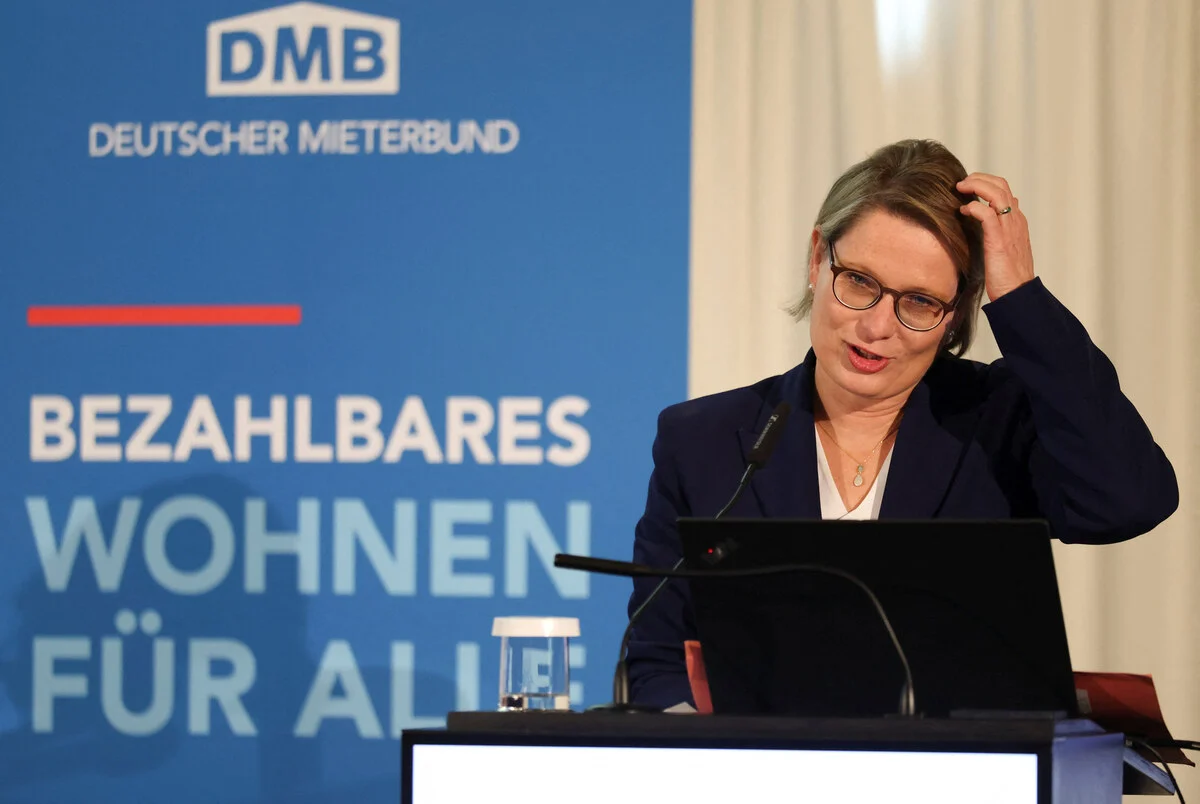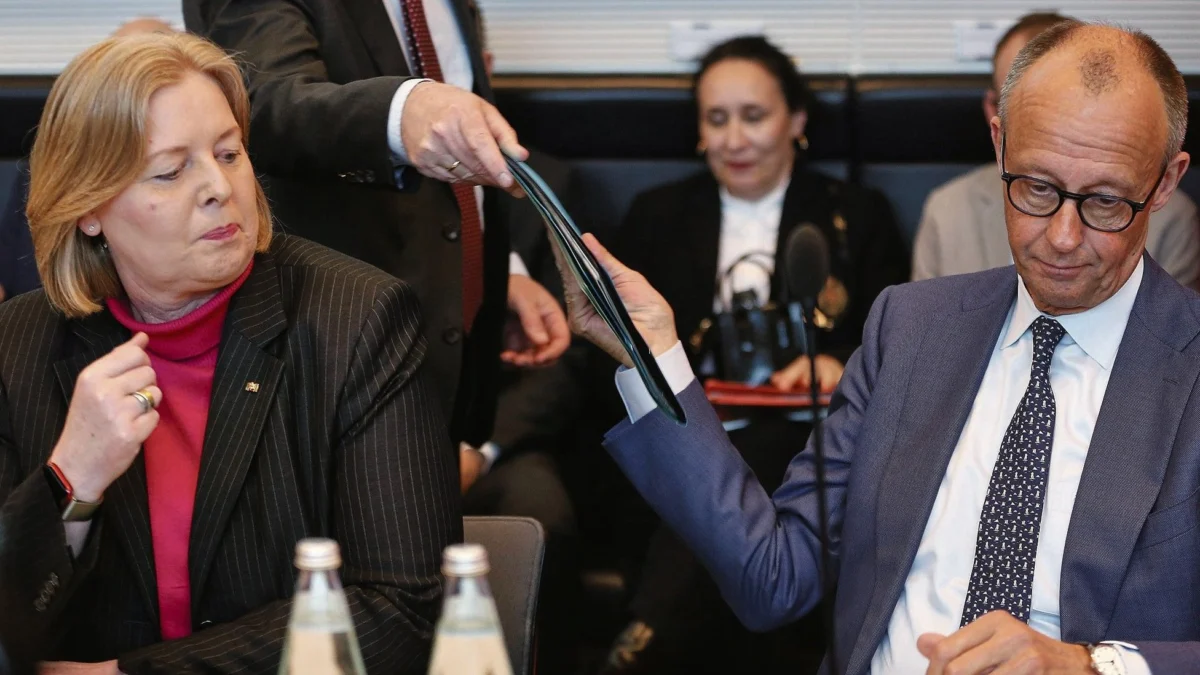
Berlin. The German federal government, led by a coalition under increasing political strain, is facing a critical juncture. With the summer recess approaching, the administration had pinned its hopes on delivering a comprehensive reform package designed to stabilize the long-term viability of the national pension system. However, the internal report from the government-appointed pension commission—intended to provide the blueprint for these changes—has triggered a wave of widespread criticism, casting significant doubt on the government’s ability to meet its legislative timeline.
Main Facts: The Anatomy of the Reform Dispute
For months, the government-appointed commission on the future of the German pension system operated in a veil of near-total secrecy. This period of quiet deliberation was abruptly punctured last weekend when the details of their findings were leaked to the press, including the Handelsblatt.
The core of the commission’s proposal involves a multi-pronged approach to shoring up the crumbling foundations of the German social security net. Key recommendations include:
- Extended Working Life: Gradually increasing the retirement age to account for rising life expectancy.
- Benefit Modulation: Introducing measures to dampen the pace of annual pension increases to alleviate the burden on the federal budget and contributors.
- Capital-Funded Pillar: Supplementing the traditional pay-as-you-go system with a state-managed capital investment fund to diversify revenue streams.
- Mandatory Inclusion: Expanding the scope of the pension system to include self-employed individuals who are currently excluded from mandatory coverage.
While these measures are framed as necessary structural shifts, they have met with immediate hostility from labor unions, industry associations, and academic economists alike. The fundamental tension lies in the clash between the government’s desire for a quick, "pre-summer" legislative victory and the complexity of the demographic and financial challenges facing the system.
A Chronology of the Crisis
The road to the current stalemate has been marked by a transition from hopeful anticipation to public discord.
- Early 2026: The government tasks the commission with drafting a sustainable path forward for the German pension, acknowledging that the current trajectory is unsustainable due to the retirement of the "baby boomer" generation.
- Spring 2026: The commission holds a series of closed-door sessions. Despite rumors of internal disagreement, the panel remains tight-lipped.
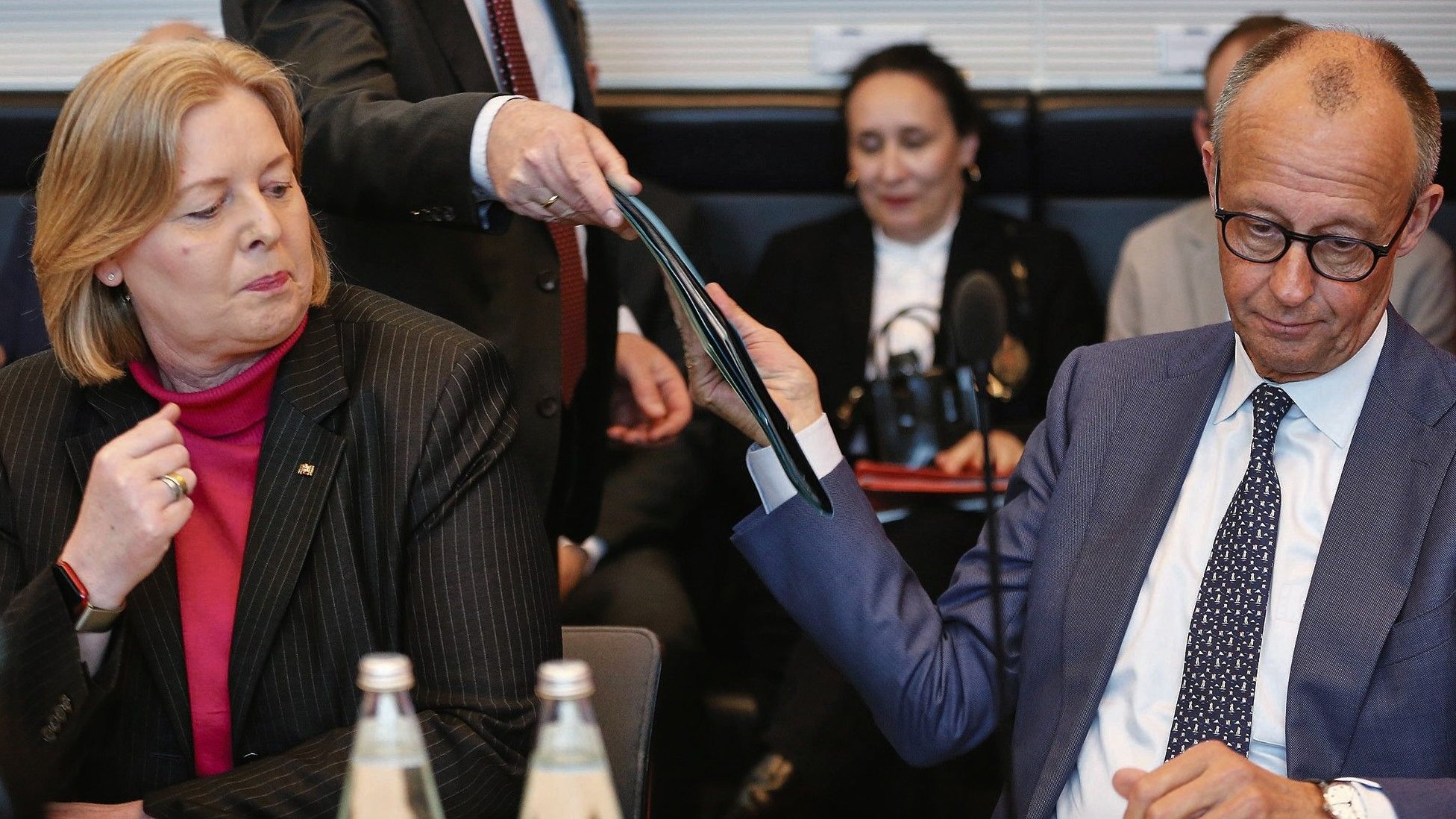
- June 19–20, 2026: The final report is finalized. Shortly before the official presentation to Chancellor Friedrich Merz and Minister of Labor and Social Affairs Bärbel Bas, the findings reach the media.
- June 21, 2026: The public reaction is swift and largely negative. Economists and stakeholders publicly voice their concerns, noting that the proposals lack the boldness required to solve a generational crisis.
- Current Status: The coalition is now forced to choose between pushing through a diluted reform package that risks political backlash or stalling the process entirely to renegotiate—a move that would jeopardize their pre-summer legislative goals.
Supporting Data: Why the Current System is Under Pressure
The necessity for reform is not a matter of political opinion, but of mathematical certainty. Germany’s demographic structure is currently undergoing its most significant transformation since the post-war era.

According to demographic projections from the Federal Statistical Office, the ratio of retirees to active workers is set to reach a tipping point within the next decade. As the large cohort of baby boomers exits the workforce, the burden on the remaining active contributors will grow exponentially.
Current projections indicate that without intervention, the "pension level"—the ratio of the average pension to the average wage—will face severe downward pressure. The government’s prior commitment to maintaining a 48% pension level until 2031 has effectively locked in high expenditure, leaving little room for maneuver. When combined with the high cost of the "Mothers’ Pension" (Mütterrente) and other social benefits, the state’s subsidies to the pension fund have become one of the largest single line items in the federal budget.
Expert Analysis: The Criticism of the Commission
The reception of the commission’s proposals among the academic community has been lukewarm at best. While many economists acknowledge that the commission has correctly identified the problems, they argue the solutions are symptomatic of a "band-aid" approach rather than a systemic cure.
Veronika Grimm, a member of the German Council of Economic Experts, has been one of the most vocal critics. In discussions following the leak, she emphasized that the government has been moving in the wrong direction for years. "The decisions taken by the current and previous governments have steered the pension system extremely far in the wrong direction," she stated.
Grimm points specifically to the expansion of non-contributory benefits and the rigid adherence to the 48% pension level as obstacles to sustainability. She argues that any reform that does not fundamentally address these "benefit-heavy" commitments is destined to fail. Other experts, including those from leading economic institutes, have noted that the inclusion of the self-employed is a welcome step but remains insufficient if it is not accompanied by a broader restructuring that includes civil servants (Beamte), who currently remain outside the statutory pension system.
Official Responses and Political Implications
The political fallout of the leaked report has created a dilemma for the coalition government.

The Chancellor’s Position
Chancellor Friedrich Merz has been under pressure to demonstrate decisive leadership. His administration had hoped to use the pension reform as a signature achievement before the summer break. The leak has forced him to balance the demands of his party, which favors fiscal discipline and capital-based models, with the realities of a coalition that includes partners deeply wary of cutting benefits.
The Ministry of Labor
Minister Bärbel Bas is in a particularly difficult position. As a representative of the SPD, she must manage the expectations of the party’s base—who are vehemently opposed to raising the retirement age—while simultaneously trying to appease critics who demand more fiscal responsibility. Her public statements have remained cautious, focusing on the need for "broad social consensus" rather than immediate legislative action.
Opposition and Industry
Opposition parties have used the situation to highlight the "lack of direction" within the coalition. Simultaneously, business associations have expressed frustration, arguing that if the government continues to shy away from painful but necessary reforms, the inevitable result will be higher contributions for both employees and employers, which would stifle economic competitiveness.

Looking Ahead: The Risks of Inaction
The failure to pass a robust reform package before the summer recess would carry significant long-term costs. The "window of opportunity" for structural reform is closing as the demographic shift accelerates.
If the government chooses to wait until the autumn, the political stakes will only rise. The approach of the next federal election cycle means that policymakers will be increasingly hesitant to propose unpopular measures, such as further raising the retirement age or curbing benefit growth.
Furthermore, the uncertainty surrounding the pension system has a direct impact on the economy. Companies are hesitant to invest when the long-term cost of labor remains uncertain due to potentially rising social security contributions. The lack of a clear, sustainable vision for the pension system creates a drag on the German economy that extends far beyond the budget of the pension insurance fund itself.

In conclusion, the current impasse over the pension reform is more than just a legislative hiccup; it is a symptom of a larger inability to reconcile the social expectations of the past with the fiscal and demographic realities of the future. The government now faces a narrow path: either find the political courage to negotiate a comprehensive and perhaps unpopular reform or accept that the German pension system will continue to drift toward a state of chronic, and eventually unmanageable, crisis. The coming weeks will be decisive in determining whether this government can leave a legacy of structural stability or if it will be remembered for the moment the "demographic time bomb" finally began to tick louder than ever before.