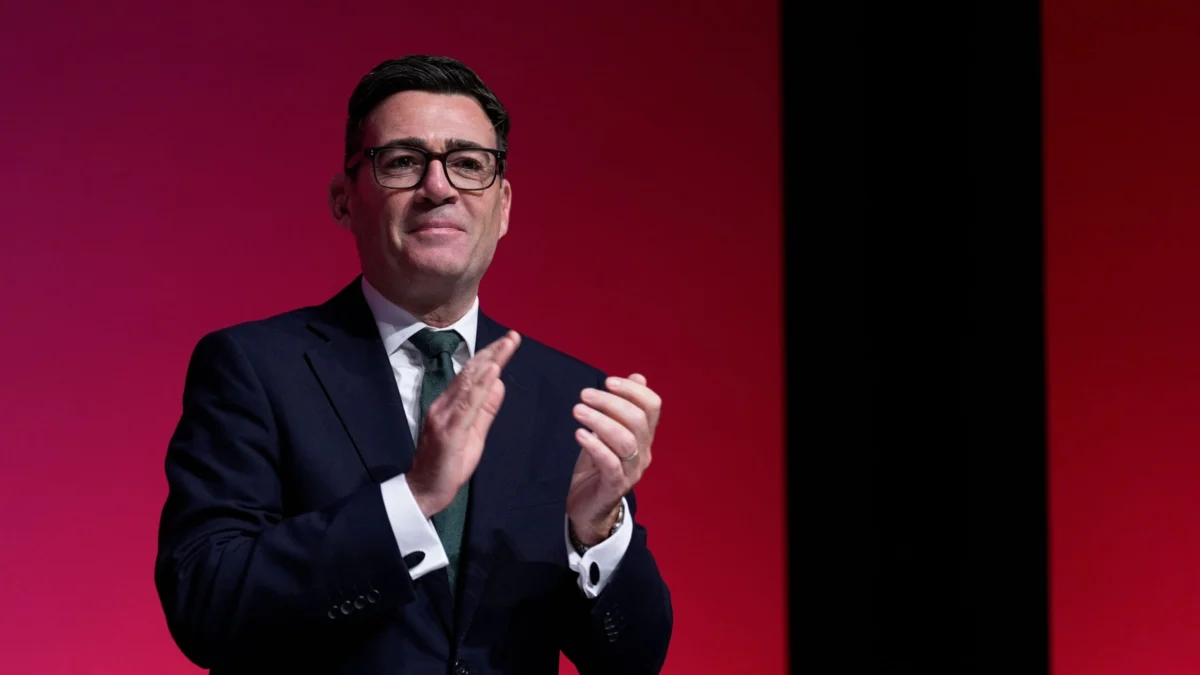
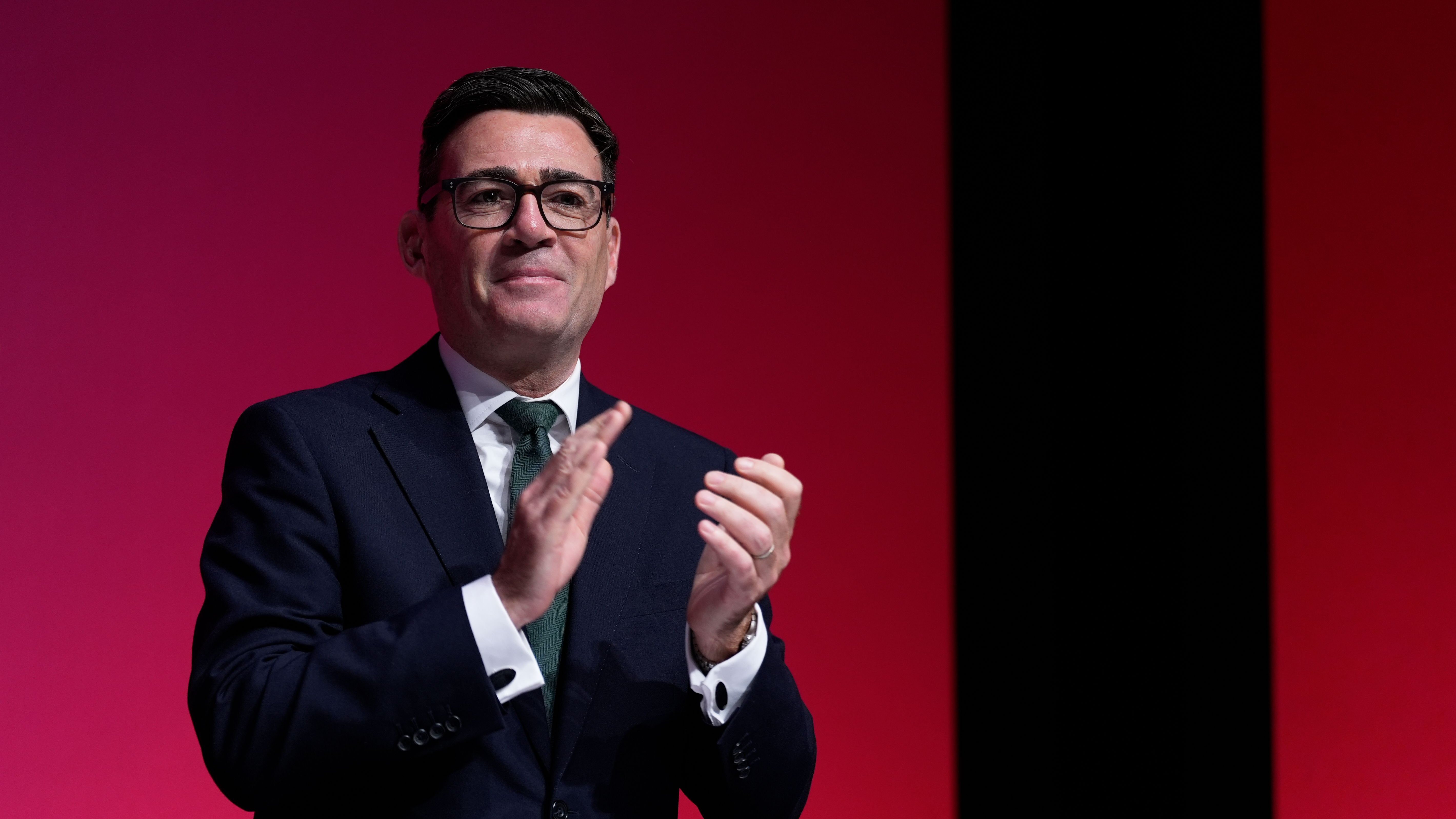
Berlin, [Date of publication, e.g., March 15, 2026] – In a significant diplomatic move underscoring a deepening commitment to shared security, Germany and the United Kingdom have officially intensified their cooperation in combating the escalating threats of cyberattacks, sabotage, and other forms of hybrid warfare. This landmark announcement came today during the pivotal visit of British Prime Minister Andy Burnham to German Chancellor Friedrich Merz in Berlin, marking Burnham’s first bilateral trip to an EU member state since taking office two and a half months ago.
The high-stakes meeting saw the formal activation of the German-British Friendship Treaty of 2025, a foundational agreement poised to redefine bilateral relations in the post-Brexit era. At the heart of this renewed partnership lies a strategic alliance to bolster digital defenses against increasingly sophisticated and pervasive threats, particularly those emanating from state-sponsored actors.
"Germany and Great Britain are intensifying their cooperation in combating cyberattacks, sabotage, and other hybrid threats," a statement from the British government confirmed. Downing Street further articulated the mutual commitment: "Both countries commit to a partnership to counter hybrid threats to address hostile activities that threaten security and prosperity in both our countries." The statement explicitly identified the primary antagonist, noting, "The hybrid threat from our adversaries – especially Russia – extends across Europe and beyond and threatens our common security."
Prime Minister Burnham emphasized the immediacy and pervasive nature of these challenges. "Attacks on our infrastructure, our businesses, and our democracies are not a distant threat," he asserted. "They reach into people’s homes and workplaces and are designed to make us weaker and more divided." This stark assessment reflects a shared understanding in both London and Berlin that digital vulnerabilities represent a clear and present danger to national sovereignty, economic stability, and democratic integrity. The leaders agreed that weakening "hostile actors" would be achieved through enhanced information exchange and coordinated efforts in surveillance, deterrence, and disruption of these multifaceted threats.
Main Facts of a Pivotal Partnership
A New Chapter in Bilateral Relations
The visit of Prime Minister Andy Burnham to Berlin, just two and a half months into his premiership, signifies the profound importance the United Kingdom places on its relationship with Germany and, by extension, with the European continent. Choosing Germany as his inaugural EU destination sends a powerful signal that despite Brexit, the UK remains deeply invested in European security and stability. For Chancellor Friedrich Merz, hosting Burnham represents an opportunity to solidify a crucial bilateral axis within a shifting geopolitical landscape, reinforcing the notion that strong national partnerships are paramount in an era of complex global challenges.
The focus on cyber defense and hybrid threats elevates this visit beyond mere diplomatic pleasantries. It positions the Anglo-German alliance as a vanguard in the collective effort to safeguard democratic institutions, critical infrastructure, and economic resilience against covert and overt digital aggressions. This collaboration is not merely about reactive measures but aims to build a proactive and robust defense mechanism capable of anticipating and neutralizing emerging threats.
Confronting the Digital Frontline
The core of the intensified cooperation lies in a comprehensive strategy to combat cyberattacks, sabotage, and broader hybrid threats. This encompasses a wide spectrum of malign activities, from sophisticated state-sponsored hacking operations targeting governmental and corporate networks, to disinformation campaigns designed to sow discord and undermine public trust, and physical sabotage enabled by digital means.
Both nations recognize that these threats are often interconnected, blurring the lines between conventional warfare and digital aggression. The agreement outlines mechanisms for sharing vital intelligence, coordinating defensive strategies, and conducting joint operations to deter and disrupt malicious actors. This collaborative framework is designed to leverage the distinct strengths of both countries – Germany’s robust industrial base and technological prowess, and the UK’s renowned cybersecurity expertise and intelligence capabilities – to create a formidable defense. The emphasis on "information exchange" and "coordination in monitoring, deterrence, and disruption" points towards a holistic approach that integrates intelligence, law enforcement, and military cyber commands.

Activation of the 2025 Friendship Treaty
A key symbolic and practical outcome of the Berlin summit was the formal activation of the German-British Friendship Treaty of 2025. While the specific details of this treaty were not fully disclosed in the initial report, its name suggests a broad commitment to fostering closer ties across various sectors. Its activation less than a year after its conceptualization, and at a time of heightened geopolitical tension, underscores an urgent desire to formalize and operationalize mechanisms for deeper cooperation.
This treaty likely provides the legal and political framework for the expanded cyber defense collaboration, ensuring long-term commitment and institutionalizing joint initiatives. Beyond cybersecurity, such a treaty could encompass cooperation in areas like trade, research and development, cultural exchange, and climate action, laying the groundwork for a multifaceted strategic partnership. Its formal activation signals a new era of structured engagement between two of Europe’s most influential nations, moving beyond the immediate implications of Brexit to forge a forward-looking relationship.
A Chronology of Intensifying Threats and Diplomatic Responses
Post-Brexit Realignments and Shared Security Concerns
The UK’s departure from the European Union in 2020 ushered in a period of re-evaluation for its foreign policy and security partnerships. While no longer bound by EU-level defense structures, London has consistently sought to strengthen bilateral ties with key European partners, recognizing the immutable reality of shared continental security interests. Germany, as the EU’s largest economy and a major political force, naturally stands as a paramount partner. The path to this current cyber alliance has been paved by ongoing discussions between senior officials in both capitals, identifying common ground on critical security challenges.
Both nations have been increasingly vocal about the need for a united front against malign state and non-state actors. The war in Ukraine, in particular, has served as a stark reminder of the hybrid nature of modern conflict, where cyberattacks and disinformation campaigns often precede or accompany kinetic actions. This shared understanding of evolving threats has undoubtedly accelerated the push for formalizing and deepening security cooperation.
The Global Cyber Threat Landscape Before the Summit
Leading up to this visit, the world has witnessed an alarming escalation in cyber hostilities. Reports from various cybersecurity agencies and private sector firms consistently highlight a surge in ransomware attacks, data breaches, and state-sponsored espionage. Critical infrastructure – from energy grids and transportation networks to healthcare systems and financial institutions – has become a prime target.
For instance, the European Union Agency for Cybersecurity (ENISA) reported a significant increase in severe cyber incidents targeting critical sectors in recent years. Similarly, the UK’s National Cyber Security Centre (NCSC) has issued numerous warnings about state-aligned groups targeting national interests. These incidents demonstrate a clear intent by hostile actors to disrupt, destabilize, and extract sensitive information. The cost of these attacks, both in financial terms and in terms of trust and operational disruption, has reached unprecedented levels, creating an urgent imperative for international collaboration.
Burnham’s Maiden EU Visit and the Berlin Agenda
Prime Minister Andy Burnham’s choice of Germany for his first EU visit underscores a strategic priority for his nascent government: re-establishing strong, pragmatic relationships with European partners. Beyond the cyber defense pact, the agenda for his meeting with Chancellor Merz likely encompassed a broader range of bilateral and international issues.
Discussions would have included economic cooperation, given Germany’s industrial strength and the UK’s financial services sector. Global challenges such as climate change, migration, and support for Ukraine would also have featured prominently. However, the decision to publicly highlight the cyber defense agreement suggests that it was a central, if not the central, deliverable of this high-profile diplomatic engagement. This strategic focus aims to demonstrate tangible cooperation and mutual benefit, moving beyond the rhetoric of post-Brexit relations to concrete action on shared threats. The timing, just a few months into Burnham’s tenure, also allows him to set a clear foreign policy direction early on, signaling a proactive stance on international security.

The Data Underpinning the Alliance: A World Under Digital Siege
Escalating Cyberattacks: A Global Trend
The foundation of the Anglo-German cyber alliance rests on irrefutable data illustrating a dramatic increase in global cyber threats. According to recent reports from institutions like the World Economic Forum, cybercrime is one of the fastest-growing threats to global stability, with projected annual costs reaching trillions of dollars by the end of the decade. Major cybersecurity firms like IBM and Check Point consistently report year-on-year increases in attack volumes and sophistication. For example, a recent IBM report indicated that the average cost of a data breach reached an all-time high, severely impacting businesses across all sectors.
These attacks aren’t just financially damaging; they pose existential threats to public services. Hospitals, educational institutions, and government agencies have all fallen victim, disrupting essential operations and, in some cases, endangering lives. The distributed nature of these attacks often makes attribution difficult, further complicating defensive efforts and necessitating international intelligence sharing.
The Shadow of State-Sponsored Malign Activity
While cybercrime presents a significant challenge, the alliance’s particular emphasis on "hybrid threats" points directly to state-sponsored or state-aligned actors. Intelligence agencies across the Western world, including Germany’s Federal Office for Information Security (BSI) and the UK’s NCSC, have frequently attributed sophisticated cyber campaigns to specific state actors. Russia is often cited as a primary perpetrator, with documented instances of interference in democratic processes, attacks on critical infrastructure, and large-scale espionage operations.
For example, reports by the US Cybersecurity and Infrastructure Security Agency (CISA) and its European counterparts have detailed numerous incidents, such as the SolarWinds supply chain attack or the NotPetya ransomware outbreak, which were widely attributed to state-sponsored groups. These incidents demonstrate not only the technical capabilities of these adversaries but also their strategic intent to exert influence, disrupt economies, and undermine national security without resorting to overt military conflict. China, Iran, and North Korea are also frequently mentioned in intelligence assessments as significant sources of state-sponsored cyber threats, broadening the scope of concern for a comprehensive defense strategy.

Economic and Societal Vulnerabilities
The interconnectedness of modern economies and societies means that cyber vulnerabilities can have cascading effects. A successful attack on a single critical infrastructure component, such as an energy pipeline or a major port, can paralyze vast segments of economic activity and disrupt daily life for millions. Supply chains, already fragile from recent global crises, are particularly susceptible to cyber disruption, leading to economic losses and inflationary pressures.
Beyond the immediate economic costs, there’s a profound societal impact. Disinformation campaigns, often propagated through social media by state actors, erode public trust in institutions, polarize populations, and can even incite real-world violence. Prime Minister Burnham’s comment about attacks reaching "into people’s homes and workplaces" directly addresses this pervasive threat, highlighting how digital insecurity can undermine the very fabric of democratic societies. The alliance seeks to protect not just governmental networks but the broader digital ecosystem that underpins modern life.
Official Voices and Strategic Commitments
Prime Minister Burnham’s Call to Action
Prime Minister Andy Burnham’s statements in Berlin were a powerful call to action, framing the cyber threat as an existential challenge that demands immediate and collaborative responses. His assertion that these attacks are "not a distant threat" and that they are "designed to make us weaker and more divided" underscores a deep understanding of the psychological and societal dimensions of hybrid warfare.
Burnham’s emphasis on infrastructure, businesses, and democracies highlights the broad scope of targets. This holistic view suggests that the UK’s strategy under his leadership will not be confined to military or intelligence operations but will also focus on strengthening civilian defenses, protecting the private sector, and educating the public about digital resilience. His early engagement with Germany on this issue signals a commitment to multilateralism in security, even as the UK navigates its post-Brexit future. The message is clear: the UK sees its security inextricably linked to that of its European partners, and it is prepared to invest diplomatic and strategic capital to forge these vital alliances.

Chancellor Merz Emphasizes Collective Resilience
While the initial report does not contain direct quotes from Chancellor Friedrich Merz, his participation in the joint announcement and the formal activation of the Friendship Treaty indicate Germany’s strong endorsement of this enhanced cooperation. Germany, a leading industrial nation with a highly digitized economy, has also been a frequent target of cyberattacks, recognizing the imperative to strengthen its defenses.
Merz’s government, likely driven by a commitment to European stability and a robust transatlantic partnership, would view this alliance with the UK as a critical component of its broader security strategy. The CDU leader would likely emphasize the importance of collective resilience, shared values, and the need for democratic nations to stand united against authoritarian aggression in the digital realm. His engagement with Burnham would also signal Germany’s openness to strong bilateral security partnerships outside traditional EU frameworks, especially with a major European power like the UK. This collaborative spirit aims to build a stronger, more resilient European security architecture that can effectively deter and respond to evolving threats.
The Downing Street Mandate
The statement from Downing Street further elucidated the strategic rationale behind the new partnership. By explicitly mentioning a commitment "to counter hybrid threats to address hostile activities that threaten security and prosperity," the UK government articulates a clear mandate for proactive defense. The direct identification of Russia as a key "adversary" is also significant, reflecting a unified assessment of the geopolitical threat landscape.
This direct naming of an adversary underscores a shift towards greater transparency and assertiveness in confronting state-sponsored cyber operations. It moves beyond generic warnings to a targeted strategy against specific threats. The commitment to weakening "hostile actors" through information exchange and coordinated action implies a multi-pronged approach involving intelligence agencies, law enforcement, and potentially military cyber commands. This mandate suggests a long-term, sustained effort to degrade the capabilities of those who seek to undermine democratic societies through digital means.

Far-Reaching Implications of the Anglo-German Cyber Pact
Reshaping European Security Dynamics
The deepened cyber defense cooperation between Germany and the UK carries significant implications for the broader European security landscape. Post-Brexit, the UK has been keen to demonstrate its continued relevance as a security actor in Europe, and this agreement with Germany is a powerful testament to that commitment. It establishes a strong bilateral pillar of cybersecurity that can complement existing multilateral frameworks like NATO and the EU’s cyber defense initiatives.
This partnership could serve as a model for other bilateral security agreements across Europe, fostering a more intricate web of interconnected defenses. It also signals a pragmatic approach to security cooperation, where shared threats transcend institutional boundaries. For Germany, aligning closely with the UK on cyber defense strengthens its own capabilities and reinforces its role as a key security guarantor in Central Europe, particularly in light of current geopolitical tensions. The alliance could also stimulate further coordination on cyber policy, technical standards, and joint exercises, ultimately raising the collective digital resilience of the region.
Economic Shielding and Innovation Drive
Beyond national security, the agreement has profound economic implications. By fortifying defenses against cyberattacks on critical infrastructure and businesses, both nations aim to create a more secure digital environment for trade, investment, and innovation. This "economic shielding" is crucial for maintaining competitive advantages in a globalized digital economy.
The partnership is likely to spur joint research and development in advanced cybersecurity technologies, artificial intelligence for threat detection, and quantum-resistant encryption. Such collaboration can lead to the creation of new technologies and expertise, benefiting both public and private sectors. It could also encourage greater private sector investment in cybersecurity, knowing that governments are actively working to mitigate systemic risks. A more secure digital economy would foster greater trust among consumers and businesses, driving further digital transformation and economic growth.

A Model for International Cyber Cooperation
The Anglo-German cyber pact could set a precedent for future international cooperation in cybersecurity. In an increasingly interconnected world, cyber threats recognize no borders, making purely national responses insufficient. This bilateral agreement demonstrates how two leading nations can pool resources, share intelligence, and coordinate actions to tackle complex, transnational challenges.
Its success could encourage other countries to pursue similar deep partnerships, contributing to a more resilient global cybersecurity framework. It also highlights the importance of a shared understanding of threats and a common strategic vision. As hybrid warfare continues to evolve, innovative and flexible partnerships like this will be essential for maintaining peace, stability, and prosperity in the digital age. The collaboration between London and Berlin may well become a blueprint for how democracies can effectively unite to protect their digital sovereignty and secure their future against unseen adversaries.