Dresden is bracing for one of its most significant sporting events of the year. As the 26th Dresden Marathon approaches this weekend, city officials and event organizers have issued comprehensive warnings regarding widespread traffic restrictions. With over 15,000 participants expected to take to the streets, the state capital of Saxony will see large sections of its urban landscape transformed into a high-energy running course, inevitably impacting the daily mobility of residents and visitors alike.
Main Facts: The 26th Dresden Marathon at a Glance
The Dresden Marathon has evolved into a premier fixture on the German running calendar, drawing elite athletes, recreational runners, and families from across Europe. The 26th edition, scheduled for the final weekend of October 2026, promises to be a massive logistical undertaking. According to official reports, the event will feature multiple distance categories, including the classic 42.195-kilometer marathon, a half-marathon, and various shorter distances tailored for casual runners and youth participants.

The event is not merely a race; it is a city-wide celebration of health and endurance. However, the sheer volume of participants—surpassing the 15,000 mark—requires a sophisticated traffic management plan. The core of the race will traverse some of Dresden’s most iconic locations, including the historic city center and the expansive green spaces of the Großer Garten. Because the route prioritizes runner safety, the city’s infrastructure will be subject to temporary closures and significant detours throughout Saturday and Sunday.
Chronology of Traffic Disruptions
The impact on urban mobility begins well before the first starting gun on Sunday morning. Organizers have advised that the transformation of the city streets will occur in phases to accommodate the various race categories.
Saturday, October 24: Initial Preparations
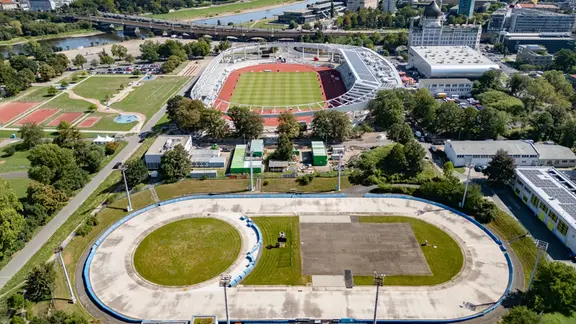
The logistical setup begins in earnest on Saturday. Starting at 11:00 AM, the primary focus for restrictions will be the area surrounding the Rudolf-Harbig-Weg and the Pieschener Allee. These roads are vital transit points, and their closure will serve as the first major hurdle for drivers. By 14:00 (2:00 PM), the restrictions will expand to include the Terrassenufer and Ostra-Ufer, areas that serve as major arteries connecting the riverside to the city center.
Sunday, October 25: The Main Event
Sunday represents the most intensive period of disruption. Beginning as early as 5:00 AM, the Ostra-Allee—a central transport corridor—will be completely closed to vehicle traffic. As the marathon progresses through the morning, the closures will ripple outward. Notable landmarks and transit routes affected throughout the day include:

- The Augustus Bridge: A crucial connection between the historic Altstadt and Neustadt districts, which will see restricted access.
- Waldschlößchen Tunnel: A critical link in the city’s eastern transit network, which will be integrated into the course route, necessitating a total closure.
- Käthe-Kollwitz-Ufer: This scenic riverside road will be occupied by thousands of runners, cutting off a key route for vehicles moving along the Elbe.
The closures are expected to remain in effect well into the afternoon, as runners complete their distances and the cleanup crews work to dismantle the barriers and aid stations.
Supporting Data: Why the Disruption is Necessary
Managing 15,000 runners is a massive feat of urban planning. To provide context, the average marathon runner occupies roughly 0.7 to 1.0 square meters of space at the start of a race. With 15,000 athletes spread out, the course must be wide enough to prevent bottlenecks, which is why major thoroughfares are preferred over narrower, residential streets.

Furthermore, the economic impact of the marathon is substantial. Data from previous years suggests that such major events generate significant revenue for local hospitality, tourism, and retail sectors. Hotels in the vicinity of the Sportpark Ostra and the historic center report near-total occupancy rates during the marathon weekend. This influx of visitors is a boon for the city’s economy, though it necessitates a trade-off in public mobility. For residents, the "inconvenience" of road closures is often weighed against the prestige of hosting an international sporting event that showcases the beauty of the Elbe valley.
Official Responses and Public Safety
Local authorities and the Dresden police department have been working in close coordination with the marathon organizers to minimize the impact on essential services. Emergency vehicles will, as always, be prioritized and granted access to cordoned-off areas through specialized corridors.

"We are asking all citizens to plan their weekend travel well in advance," a spokesperson for the event stated. "The goal is to maintain safety while allowing the city to function. We encourage the use of public transport, although even that will be subject to delays and route diversions."
The Dresden Public Transport (DVB) has confirmed that many tram and bus lines will be rerouted to avoid the racecourse. Passengers are urged to check the DVB website and mobile app for real-time updates. The official website of the Dresden Marathon also hosts a comprehensive interactive map detailing the exact streets under closure, which remains the most reliable resource for local commuters.

Implications for Residents and Visitors
The juxtaposition of a major sporting event and a functioning city creates a unique set of challenges. For the average resident of Dresden, the weekend will be defined by "micro-mobility"—the need to navigate the city by foot, bicycle, or through highly specific public transport routes.
The Shift in Urban Rhythm
For two days, the typical "rhythm" of the city will be dictated by the runners. The sound of sirens and heavy traffic will be replaced by the rhythmic thud of thousands of running shoes and the cheers of spectators. This shift in urban energy is what many locals look forward to, even while acknowledging the logistical headache.

Tips for Navigating the Weekend:
- Avoid the City Center: Unless you are directly involved in the event, the best advice is to avoid driving into the inner city altogether.
- Use Bicycles: Dresden is a bike-friendly city. While some cycle paths will be blocked, the flexibility of a bicycle allows for navigation through residential streets that remain open.
- Check Public Transport Maps: The DVB will publish temporary schedules. It is essential to check these before setting out on Saturday or Sunday.
- Embrace the Atmosphere: Many residents choose to view the event as an opportunity to engage with the city. By positioning themselves along the route, they turn the inconvenience of road closures into a social outing, supporting the athletes and enjoying the unique community spirit.
Long-term Outlook: A City for People
The success of the Dresden Marathon serves as a litmus test for the city’s ability to host large-scale events. As urban planning continues to evolve, the lessons learned from these weekend-long closures often influence future decisions about pedestrian-only zones and the prioritization of active transport.
While the traffic restrictions for the 26th edition of the marathon are undoubtedly severe, they represent a conscious choice by the city to value community health, athletic excellence, and international visibility. As the city prepares for the influx of visitors, the message from organizers and officials is clear: be patient, be prepared, and be part of the experience.

For those looking to stay updated, the official Dresden Marathon website remains the primary hub for information regarding road closures, race start times, and emergency contact information. Whether you are a seasoned marathoner or a local resident simply trying to get to the grocery store, the weekend of October 24–25 will require a little extra planning and a lot of patience.