DRESDEN – This weekend, the historic city of Dresden will transform into a vibrant arena of endurance, determination, and community spirit as it plays host to the 26th annual Dresden Marathon. With over 15,000 athletes registered to participate across a spectrum of distances, the event is set to be one of the largest sporting gatherings in Saxony this year. However, the sheer scale of the event brings with it a significant logistical challenge, necessitating comprehensive road closures and traffic diversions that will impact mobility across the city center and beyond.
Main Facts: A City in Motion
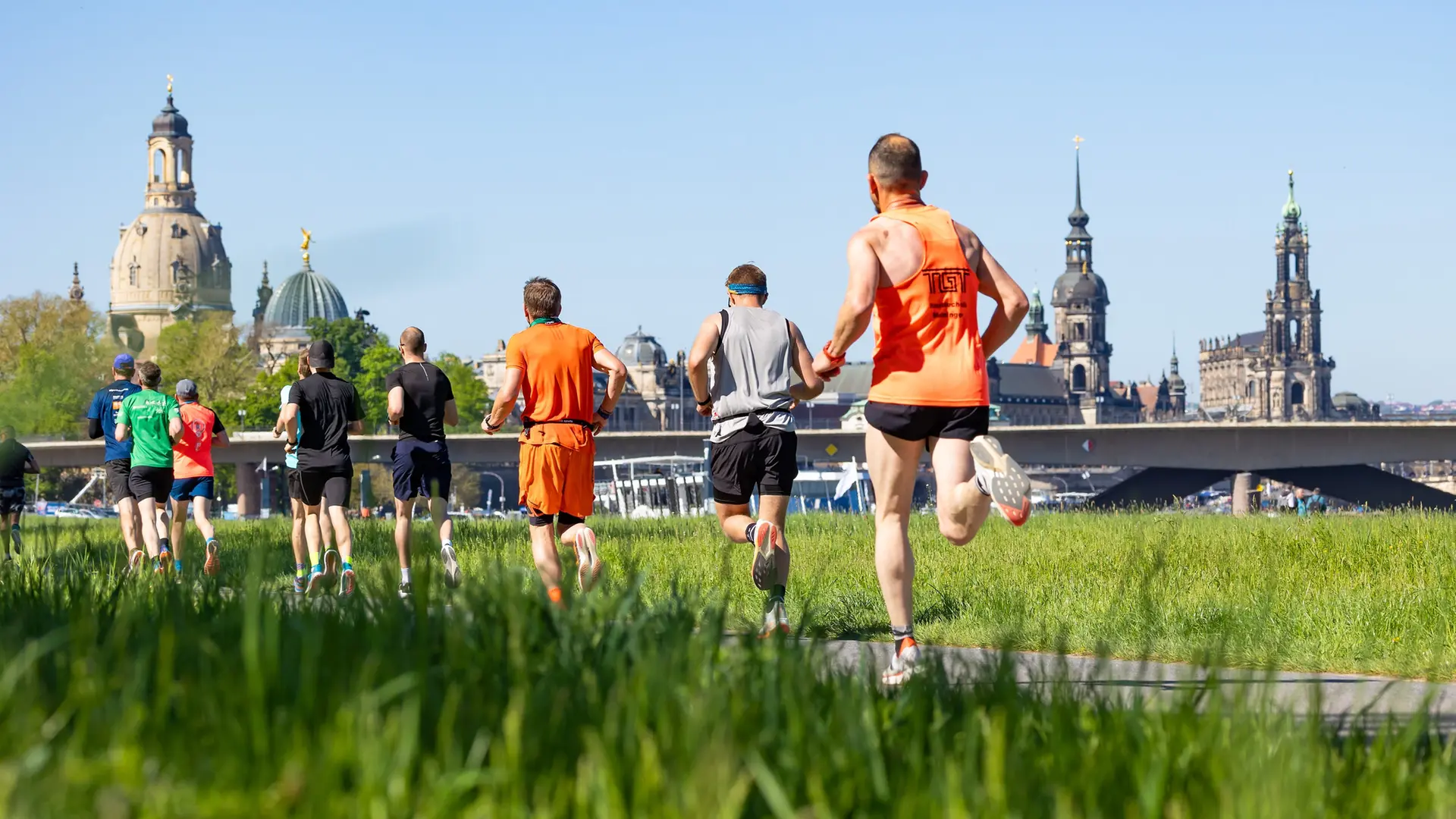
The Dresden Marathon is more than just a race; it is a major urban event that weaves through the architectural splendor of the "Florence on the Elbe." Participants will navigate a course that highlights the city’s unique blend of baroque history and modern vitality.
Organizers confirmed that the event has drawn a diverse field of competitors, ranging from elite international runners chasing personal bests to local amateurs and families participating in the shorter "fun run" categories. The event is scheduled to unfold over two days, with the primary festivities and competitive races reaching their peak on Sunday.
For residents and visitors alike, the event represents a period of significant disruption. The city’s traffic management authorities, in coordination with race organizers, have implemented a multi-stage closure plan to ensure the safety of the runners and the integrity of the course. Whether traveling by car, public transport, or bicycle, commuters are being strongly advised to plan their journeys well in advance, as major arterial roads will be inaccessible for much of the weekend.
The Chronology of Closures: A Weekend of Disruption
The operational impact of the marathon begins well before the first starting gun sounds. To accommodate the infrastructure requirements—including start-finish lines, medical tents, and hydration stations—specific areas will be cordoned off starting Saturday morning.
Saturday, October 24: Early Preparations
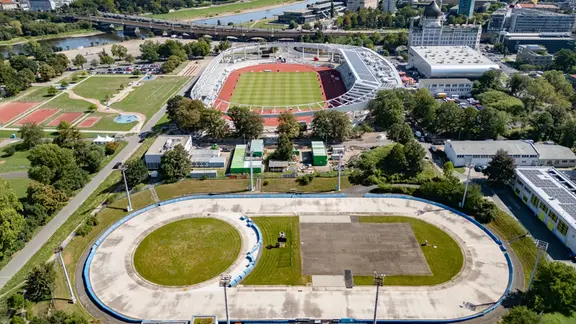
As the city prepares for the influx of visitors, the first round of closures will commence at 11:00 AM on Saturday. The focus of these initial restrictions will be the area surrounding the Rudolf-Harbig-Weg and the Pieschener Allee. These locations serve as key logistical hubs for the event, hosting preliminary registration activities and shorter, community-focused runs.
By 14:00, the scope of the restrictions will widen, extending to the Terrassenufer and the Ostra-Ufer. These areas are vital for the set-up of the event’s central infrastructure. Motorists are warned that parking in these zones will be strictly prohibited, and vehicles left in the affected areas may be subject to towing.
Sunday, October 25: The Main Event
Sunday represents the most intensive phase of the marathon. Starting at 5:00 AM, the city will begin the systematic closure of major thoroughfares to clear the route for the main event.
The Ostra-Allee will be closed to all vehicular traffic, effectively severing one of the main conduits into the city center. As the race progresses throughout the morning, the closures will cascade through the city. Key landmarks and critical infrastructure, including the Augustusbrücke (Augustus Bridge), the Waldschlößchentunnel, and the Käthe-Kollwitz-Ufer, will be rendered off-limits to civilian traffic.
These closures are expected to remain in effect until the late afternoon, as organizers ensure that all participants have safely cleared the course and that the infrastructure is dismantled.
Supporting Data: By the Numbers
The 26th Dresden Marathon is a feat of urban planning as much as it is a sporting event. To maintain safety for the 15,000+ runners, the local government and event organizers have deployed a massive support system:
- Participant Volume: Over 15,000 registered runners across all race formats.
- Duration of Disruption: Approximately 36 hours of rolling road closures.
- Infrastructure: Dozens of hydration stations, 10+ medical aid points along the route, and several hundred volunteers managing the course.
- Public Transit Impact: Multiple tram and bus lines will be diverted or suspended, necessitating the use of alternative routes and shuttle services provided by the Dresden Transport Authority (DVB).
Official Responses and Strategic Advice
In a joint statement, event organizers and the Dresden City Council emphasized that while the disruptions are significant, they are necessary to maintain the safety and prestige of the event.
"The Dresden Marathon is a highlight of our city’s calendar," said a city spokesperson. "We have worked tirelessly with the organizers to minimize the impact on residents. We understand the frustration that road closures can cause, but the scale of the participation requires a complete shutdown of these routes to ensure the safety of our runners. We urge all citizens to utilize the interactive maps provided on the official event website to navigate the city effectively."
Organizers have set up a comprehensive digital resource center on the official Dresden Marathon website. This portal features real-time updates, detailed maps of the course, and specific guidance for those who must travel through the city during the race window.
Implications for the City
The marathon serves as a mirror for the complexities of modern urban living. While the event brings substantial economic benefits—hotels are at near-capacity, and local businesses see an influx of visitors—it also highlights the fragility of the city’s transport network.
The Transit Challenge
For those reliant on public transport, the weekend will be a test of patience. The DVB has noted that tram lines passing through the city center will face delays and rerouting. Passengers are encouraged to download the official DVB app, which will provide live updates on service interruptions. For those who can, walking or using designated bicycle detours is highly recommended, though even these will be constrained by the race route.
Environmental and Social Impact
On the positive side, the marathon encourages a spirit of health and physical activity that resonates with the city’s demographics. It transforms the urban landscape, replacing the noise of combustion engines with the rhythmic cadence of thousands of runners. For the duration of the event, the city center is "reclaimed" by pedestrians, offering a rare, traffic-free view of Dresden’s architectural heritage.
Economic Considerations
Local businesses, particularly those in the Altstadt (Old Town), are bracing for a busy weekend. While delivery access to some businesses will be restricted during the Sunday closures, the influx of 15,000 runners and their supporters is expected to boost revenue for hospitality and retail sectors. Many restaurants and cafes have adjusted their opening hours to cater to the early morning runners and the subsequent crowds.
Looking Forward: A Call for Patience
As Dresden prepares for the influx of athletes and spectators, the prevailing message from authorities is one of cooperation. The success of the 26th Dresden Marathon depends not only on the performance of the runners but also on the collective patience of the city’s residents.
Citizens are encouraged to:
- Avoid the City Center: If travel is not essential, stay away from the downtown core between Saturday 11:00 AM and Sunday 4:00 PM.
- Use Public Transport Wisely: If you must travel, rely on the S-Bahn and rail lines that bypass the marathon route, and check the DVB website for the latest schedules.
- Check the Map: Familiarize yourself with the closure zones. Even a short trip across town could take triple the normal time if one is unaware of the blocked intersections.
- Embrace the Atmosphere: For those who are not traveling, the marathon offers an opportunity to experience the city from a different perspective. Residents are encouraged to line the streets to cheer on the participants, turning the event into a truly inclusive city celebration.
As the countdown to the starting signal continues, Dresden is readying itself for a weekend that balances the rigorous demands of a major athletic competition with the day-to-day realities of urban life. It is a testament to the city’s endurance—both that of the runners on the track and the community that supports them.