The scenic roads of the Taunus region, typically known for their tranquil forest vistas, became the site of a high-impact traffic nightmare late Tuesday evening. A collision involving a herd of wild boar on the B456 triggered a cascade of events, resulting in significant injuries, a trail of destruction spanning over 200 meters, and property damage estimated at over 100,000 euros.
The Incident: A Night of Destruction on the B456
Late on Tuesday night, the serenity of the B456, a vital artery connecting Bad Homburg to the Saalburg, was shattered in an instant. A vehicle traveling along the route encountered a large group of wild boar—a "rotte"—that had suddenly ventured onto the asphalt.
The ensuing collision was catastrophic. For the driver, there was little time to react as the animals emerged from the darkness of the surrounding forest. The force of the impact claimed the lives of six wild boar, leaving a scene of carnage that stretched across more than 200 meters of the roadway. Beyond the loss of animal life, the collision resulted in the immediate disintegration of vehicle components and the leakage of hazardous operating fluids, turning the road into a dangerous obstacle course for approaching traffic.
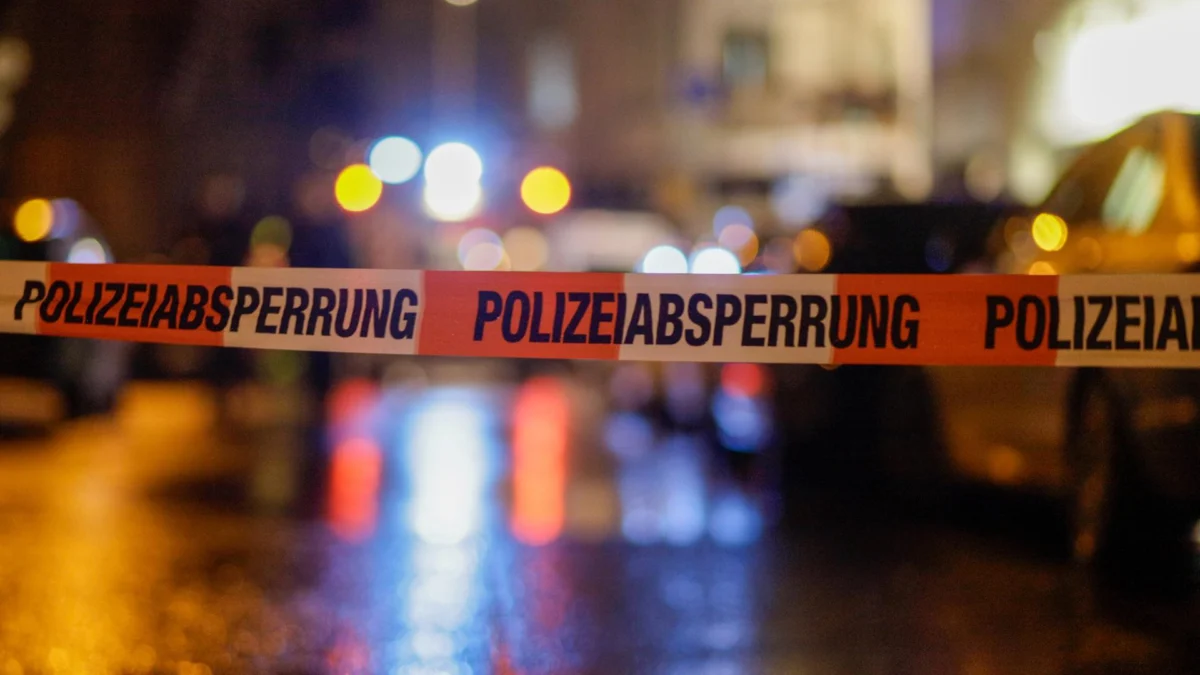
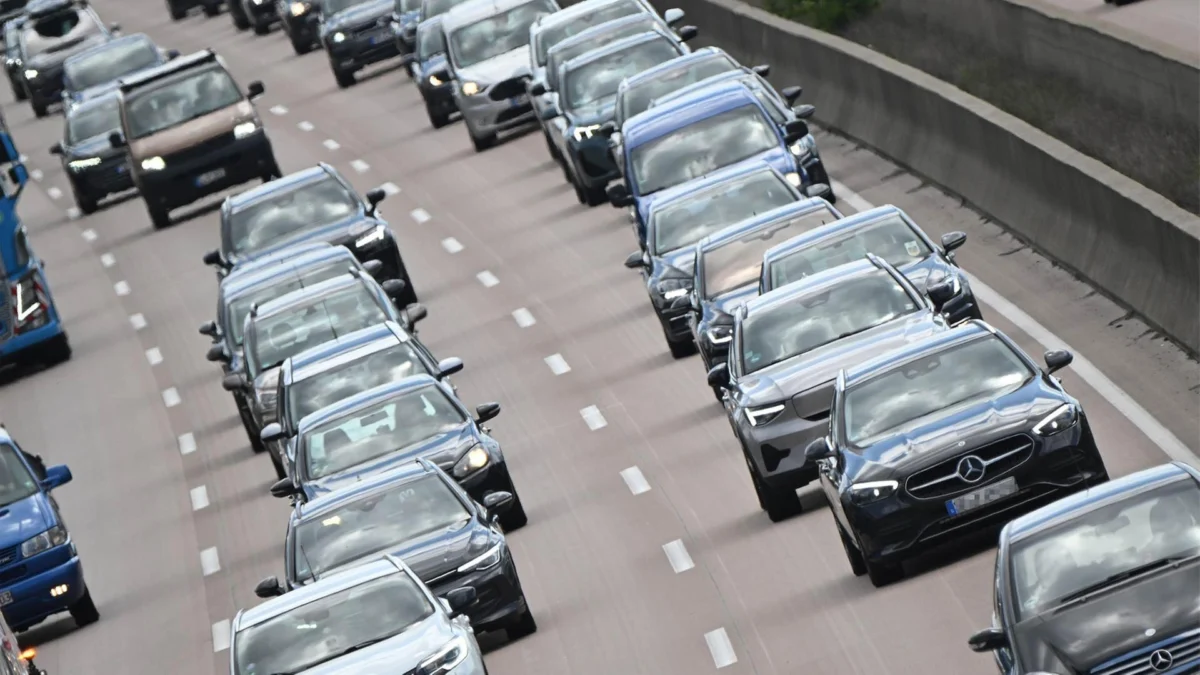
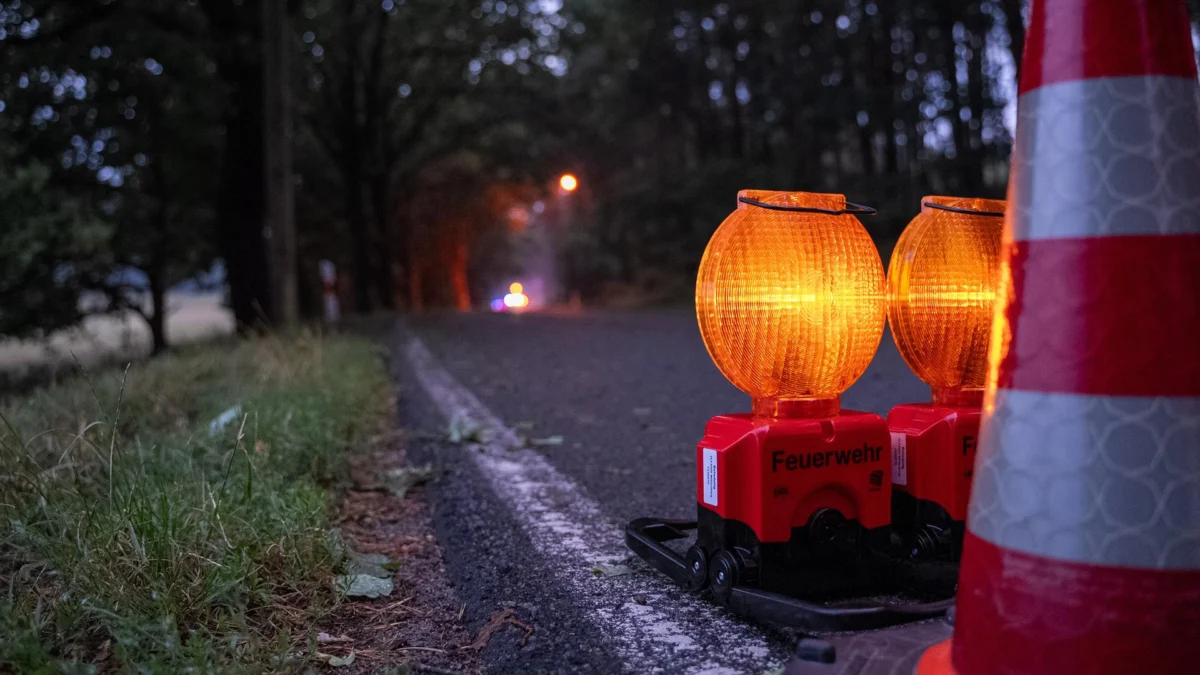
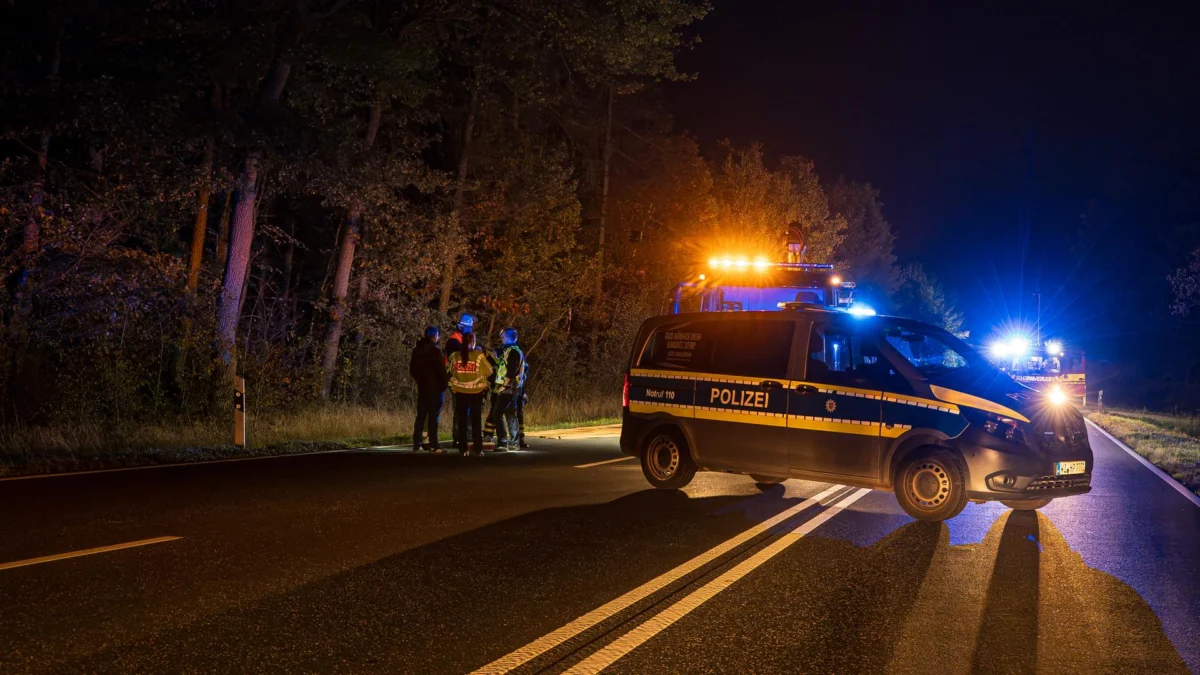
Local law enforcement agencies were forced to implement a total closure of the B456 in both directions for several hours. This led to significant traffic congestion, trapping commuters and travelers in a standstill as emergency crews worked to clear the debris and neutralize the spilled fluids.
Chronology of a Secondary Disaster
While the initial accident was tragic, the chaos did not end there. As the line of stalled traffic grew, the stress and frustration of the situation led to a secondary, entirely preventable incident.
In an attempt to escape the gridlock, a motorist decided to perform an illegal and dangerous U-turn in the middle of the road. This maneuver triggered a chain-reaction collision, as the turning vehicle struck two other cars caught in the congestion. This secondary impact caused further chaos, involving a total of four vehicles across the two incidents.
Emergency medical services were dispatched to the scene, where they treated those involved. While the injuries sustained by the two individuals were officially classified as "light," the secondary crash necessitated the hospitalization of a third individual for further observation and medical examination. By the end of the night, five people had been caught in the aftermath of the original wildlife collision, and all four vehicles involved in the chain reaction were rendered non-operational, requiring heavy-duty recovery services.
Economic and Physical Toll
The financial impact of the night’s events is staggering. Authorities have estimated the total damage at approximately 105,000 euros. This figure accounts not only for the total loss of the four vehicles—all of which suffered damage too severe for repair—but also the costs associated with emergency response, road cleanup, and the logistics of securing a major thoroughfare during a multi-vehicle accident investigation.

The damage serves as a stark reminder of the hidden costs associated with wildlife-vehicle collisions. Often viewed merely as a tragic interaction with nature, such events carry heavy insurance, environmental, and infrastructure implications that ripple through the community.
Expert Analysis: The Risks of the "Golden Hours"
Following the accident, the Bund für Umwelt und Naturschutz Deutschland (BUND Hessen)—the German Federation for the Environment and Nature Conservation—issued a stern warning to drivers navigating the region.
Experts from BUND highlight that the current season sees increased movement among wildlife populations, particularly during the crepuscular hours—the periods of twilight at dawn and dusk. These "golden hours" are when wildlife is most active in search of food and territory, yet they are also the times when human visibility is at its lowest.
"The combination of increased wildlife activity and the reduced light of dawn and dusk creates a high-risk environment," noted a spokesperson for the organization. "Drivers must treat these transit periods with extreme caution, particularly when driving through forested areas like the Taunus."
Preventive Measures and Road Safety Protocols
To avoid similar catastrophes, safety experts and environmentalists suggest a multi-pronged approach to driving in rural, forested areas.
1. Speed Adaptation
The most critical factor in mitigating the severity of a wildlife collision is velocity. Even a modest reduction in speed can be the difference between a minor scare and a fatal accident. When passing through forested corridors, particularly during twilight, drivers are advised to keep their speed well below the legal limit.
2. Heightened Vigilance
Eyes should not just be on the center of the road. Vigilance must extend to the "road shoulders"—the verges and embankments where wildlife often gathers before stepping onto the tarmac. Detecting the reflection of a light in an animal’s eye can provide the crucial seconds needed to brake safely.
3. The "Light Control" Rule
If an animal is spotted, the instinct to swerve should be suppressed. Swerving can lead to losing control of the vehicle, veering into oncoming traffic, or striking a tree. Instead, experts recommend a controlled, emergency stop while maintaining a straight trajectory, and, if safe to do so, flashing high beams to alert other drivers while potentially startling the animal off the road.

4. Avoiding Panic Maneuvers
The secondary accident on the B456 serves as a sobering lesson in traffic psychology. In high-stress situations, such as being stuck in a jam caused by an accident, drivers often make impulsive decisions. Trying to turn around or exit a roadway improperly creates unpredictable hazards that emergency responders are ill-equipped to handle. Remaining calm, patient, and stationary is the safest course of action until officials provide instructions.
The Broader Environmental Context
The B456 runs through some of the most sensitive ecosystems in the Taunus. The high frequency of wildlife crossings is a symptom of fragmented habitats, where roads cut through the natural corridors of deer, boar, and other fauna. While wildlife crossings and fences exist in many parts of the region, they are not infallible.
The incident highlights the ongoing tension between human infrastructure and the natural world. As urban areas expand and traffic volume increases, the intersection of man and nature becomes increasingly volatile. Organizations like BUND are currently advocating for better signage, more robust wildlife detection systems, and long-term urban planning that accounts for the natural movement of animals to prevent future tragedies.
Conclusion: A Lesson in Responsibility
The events on the B456 were a combination of misfortune and human error. While the collision with the wild boar may have been unavoidable given the sudden emergence of the herd, the subsequent secondary crash was a result of impatience and poor decision-making.
As the investigation into the incident concludes, the authorities are using the case as a cautionary tale. For residents of the Taunus and those commuting through its lush, forested roads, the message is clear: the road is a shared space. The responsibility for safety lies with the driver, who must navigate these routes with the awareness that at any moment, the forest may step onto the asphalt.
The 105,000 euros in damage is a significant sum, but the real cost—the trauma of the injured, the loss of life, and the hours of disruption—remains immeasurable. As the sun sets over the Taunus, drivers are urged to look to the verges, slow their pace, and respect the wildlife that calls these woods home. In the battle between a car and a herd of boar, nature rarely loses, but everyone suffers.