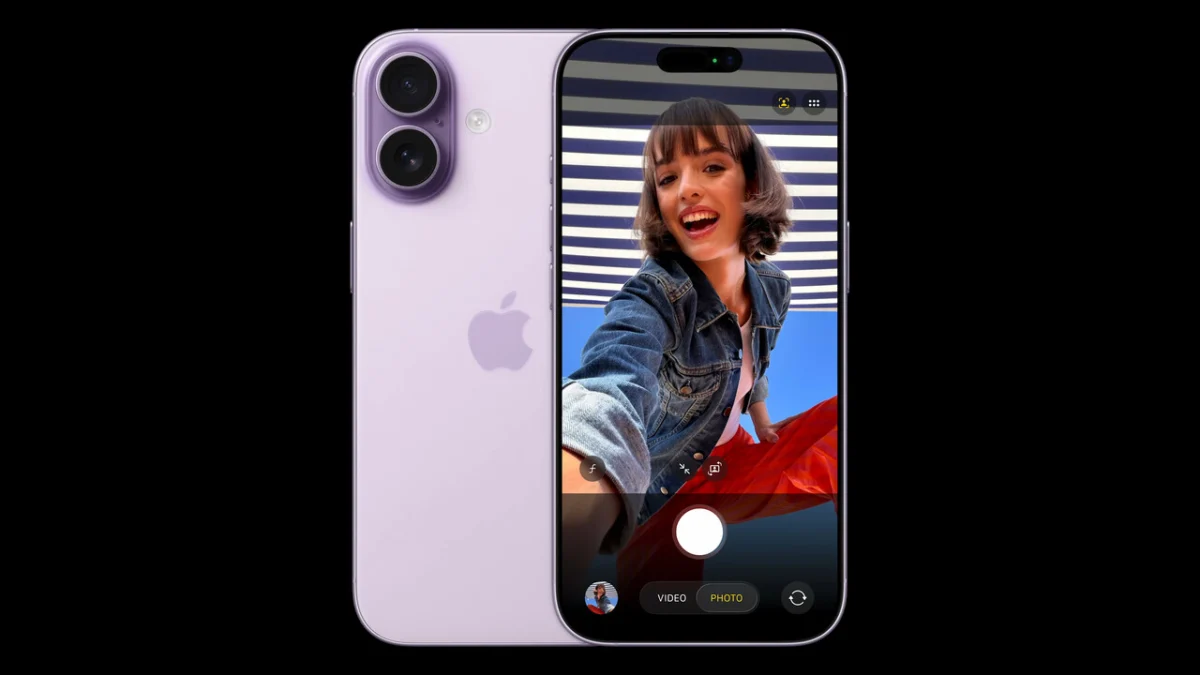
For nearly a decade and a half, the tech world has operated like clockwork. Since the release of the iPhone 4S in 2011, September has been synonymous with the unveiling of Apple’s flagship smartphones. This predictable, annual rhythm has not only defined Apple’s financial calendar but has also dictated the pace of the global consumer electronics industry. However, a growing body of evidence—bolstered by recent comments from key supply chain partners—suggests that Apple is preparing to abandon this long-standing tradition.
Fresh reports indicate that the standard iPhone 18 may not see the light of day until the spring of 2027. If these projections hold, it would represent the most significant disruption to Apple’s product launch cadence in modern history, potentially heralding a new era of staggered releases that could reshape the company’s market dominance.
The Evidence from the Supply Chain: Largan Precision’s Disclosure
The latest catalyst for these rumors stems from a recent earnings conference held by Largan Precision, a prominent Taiwanese manufacturer and a critical supplier of camera lens modules for Apple. During the conference, Largan’s Chairman, Lin En-Ping, discussed shifting production schedules for a “significant customer from the United States.”
While Apple was not explicitly named, industry analysts widely recognize Largan as a primary lens provider for the iPhone lineup. Lin noted that the customer had pushed back the launch of a major new model to the early months of 2027. Crucially, he mentioned that the company’s factory capacity utilization toward the end of 2026 would be higher than initially forecasted, a move designed to ensure that specific, high-end components are ready for a mass-market rollout in the first quarter of 2027.
This disclosure aligns with recent murmurings from other industry insiders, suggesting that the standard iPhone 18 will bypass the traditional September 2026 window. By shifting the standard model to a spring release, Apple appears to be deliberately decoupling its flagship hardware from the end-of-year holiday surge.
A New Chronology: How the 2026-2027 Roadmap Could Look
If the reports are accurate, Apple’s product roadmap for the next 18 months will look fundamentally different from the patterns established by the iPhone 15 and 16 series. Analysts are currently piecing together a timeline that suggests a bifurcated release strategy:
The September 2026 Flagship Reveal
Despite the delay of the standard model, industry experts believe that Apple will maintain a September event in 2026. However, the focus will shift exclusively toward the high-margin "Pro" variants—the iPhone 18 Pro and the long-awaited iPhone "Fold" (or potentially branded as an "Ultra" foldable).
By launching these premium, high-cost devices in September, Apple can capture the holiday revenue without the "noise" of the standard models. The foldable device, in particular, represents a massive strategic pivot; by isolating it in a September window, Apple ensures that its most innovative and expensive hardware receives the undivided attention of the global media.
The Spring 2027 Ecosystem Refresh
According to these reports, the first quarter of 2027 will then become a hub of activity. The standard iPhone 18 is expected to debut alongside the "iPhone 18e" (a successor to the entry-level series) and potentially an "iPhone Air 2." This multi-pronged spring launch would transform a traditionally quiet quarter into a massive sales driver, effectively smoothing out the company’s revenue fluctuations across the fiscal year.
The Strategic Rationale: Why Change Now?
The transition away from the September-only model is not a decision made lightly. Apple’s supply chain is arguably the most optimized in the world; changing it requires a compelling business case. Several factors are likely driving this strategic pivot:
1. Smoothing the Revenue Curve
Historically, Apple’s revenue experiences a massive spike in the holiday quarter (Q1 of the fiscal year) followed by a predictable decline. By shifting the standard iPhone 18—which typically accounts for a significant portion of unit sales—to the spring, Apple can generate a secondary sales peak in the middle of the year. This helps to stabilize share price volatility and eases the immense manufacturing pressure that occurs every August and September.
2. Diversification of the Portfolio
The inclusion of a foldable device and an "Air" model suggests that the iPhone line is becoming too complex for a single launch event. By splitting the product lineup, Apple allows each device to have its own marketing narrative. A foldable phone requires a completely different educational marketing strategy compared to a standard, reliable iPhone 18. Launching them together often leads to one product overshadowing the other.
3. Supply Chain Resilience
Recent years have taught tech giants that over-reliance on a single production window is a liability. Global logistics, labor shortages, and component bottlenecks have frequently plagued the September launch. Spreading these launches over two distinct windows allows for better resource allocation among suppliers like Largan Precision, Samsung Display, and TSMC, potentially reducing the risk of launch-day shortages.
Historical Context: Breaking the 2011 Precedent
To understand the magnitude of this shift, one must look at the precedent set by the iPhone 4S. Before 2011, Apple launched the iPhone in the summer (June/July). The move to September with the 4S was seen as a way to align the device with the back-to-school season and the holiday gift-giving period.
For 15 years, the tech world has assumed that September was the "correct" time to launch. By moving away from this, Apple is essentially telling the market that the brand is now powerful enough to dictate its own timing, regardless of retail trends or seasonal shopping habits. It marks the end of the "iCycle," where consumers were conditioned to wait until autumn for the latest hardware.
Market Implications and Investor Sentiment
The market’s reaction to these rumors has been cautiously optimistic. Investors generally favor moves that smooth out revenue streams. If Apple can prove that it can drive significant demand in the spring—a time when hardware sales typically slump—it could unlock a new level of fiscal consistency.
However, there are risks. A spring release risks conflicting with other major tech releases, such as the Mobile World Congress (MWC) cycle or the lead-up to the fiscal year-end of other competitors. Furthermore, consumer psychology is deeply rooted in the "September iPhone" tradition. Educating the market to expect a new standard iPhone in the spring will require a massive marketing spend and a clear communication strategy.
Conclusion: A Mature Apple for a Mature Market
The decision to delay the iPhone 18 to 2027 is not merely a logistical shift; it is a signal of Apple’s maturation. As the smartphone market reaches a plateau in terms of raw growth, Apple is shifting its focus toward product segmentation and supply chain efficiency.
By separating the "Pro" and "Foldable" tiers from the standard and entry-level tiers, Apple is attempting to cater to different segments of its user base at different times. Whether this gamble pays off will depend on the company’s ability to maintain the "hype" during the transition period. If the reports from Largan Precision and other suppliers are to be believed, we are witnessing the end of an era—and the beginning of a far more flexible, and potentially more profitable, future for the world’s most valuable company.
As we look toward 2027, the tech community will be watching closely to see if Apple can successfully break the September habit—or if the allure of the autumn launch remains too strong to abandon.