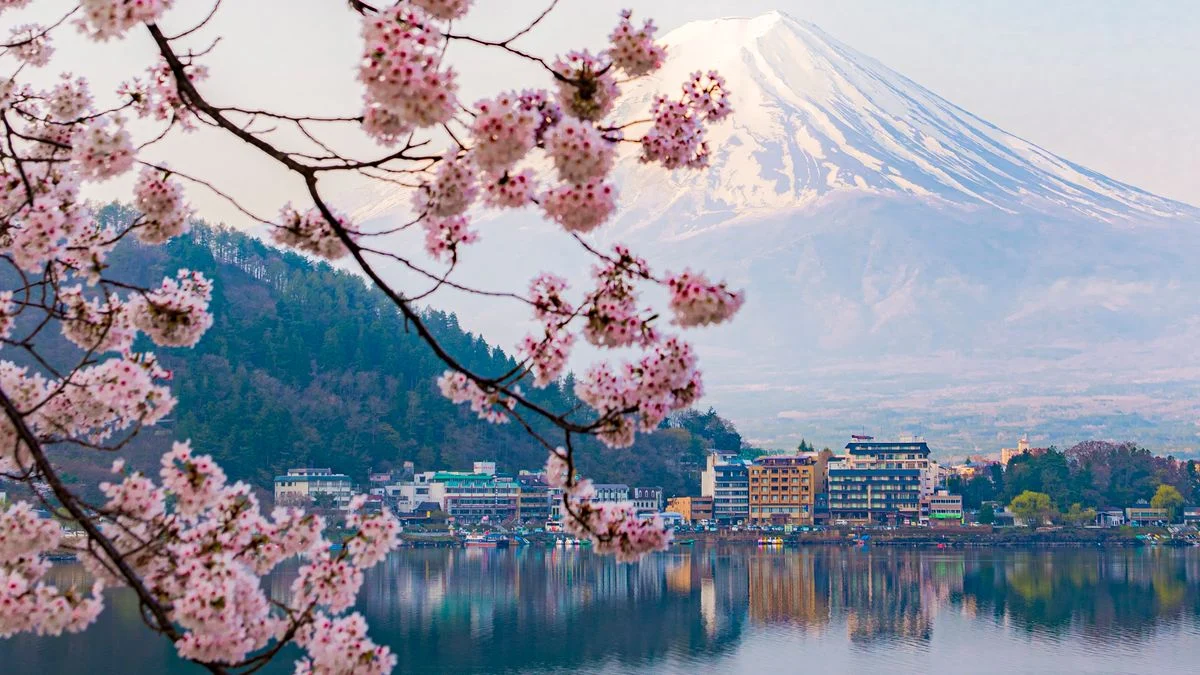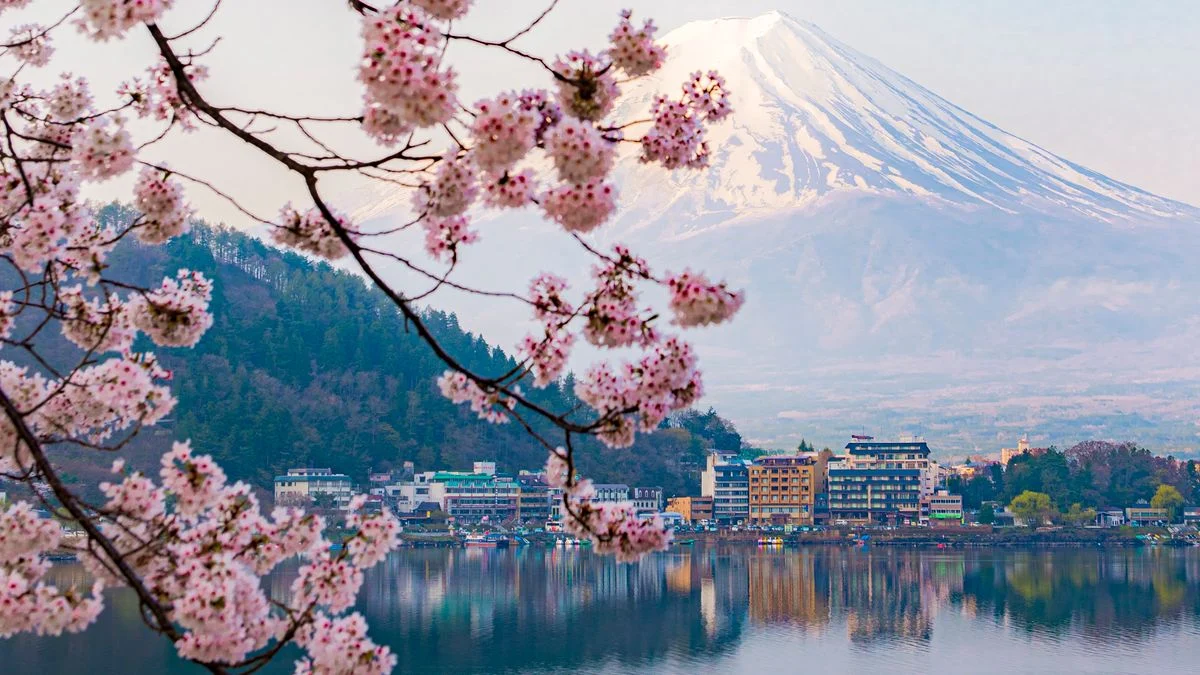
In an era where global travel has become increasingly complex, expensive, and environmentally scrutinized, a burgeoning subculture of tabletop gamers has discovered a way to traverse the globe without leaving their dining rooms. The rise of "Japan-themed" board games has transcended mere mechanics, evolving into a sophisticated medium for cultural exploration, aesthetic appreciation, and intellectual escapism. From the serene gardens of Kyoto to the neon-soaked corridors of Shinjuku, these games are offering a unique form of "remote tourism," inviting players to engage with the intricacies of Japanese history, geography, and social customs through the lens of strategic gameplay.
The Evolution of the Tabletop Experience
The tabletop industry has witnessed a paradigm shift over the past decade. Once dominated by abstract classics, the modern board game market now prioritizes immersive thematic experiences. Japan, with its distinct dichotomy of tradition and hyper-modernity, has become a primary muse for game designers worldwide.
This is not a trend born of superficial mimicry. Leading designers are increasingly collaborating with cultural consultants to ensure that the representation of Japanese motifs—whether they involve the delicate art of Ikebana, the strategic depth of Shogi, or the architectural legacy of the Edo period—is handled with both respect and precision. This shift has turned the cardboard components of these games into vehicles for cultural education, fostering a deeper curiosity about Japan among players who may have never stepped foot on the archipelago.
Chronology: From Niche Hobby to Mainstream Phenomenon
The trajectory of Japan-centric gaming can be traced through several distinct phases:
Phase I: The Abstract Roots (1970s–1990s)
Early games focused on abstract representations of Asian history. Titles like Shogun (1986) introduced Western audiences to the concept of the Daimyo and the Sengoku period. While mechanically engaging, these titles often relied on tropes rather than historical nuance.
Phase II: The Aesthetic Awakening (2000s–2015)
As the industry matured, the focus shifted toward aesthetics. Games like Takenoko (2011) introduced players to the whimsical world of the Imperial Japanese court, focusing on the care of giant pandas and bamboo cultivation. The high production value of these games set a new standard for what a board game could look like.
Phase III: The Deep Dive (2016–Present)
We are currently in the era of "cultural immersion." Recent titles are not merely set in Japan; they are about Japan. Games like Tokaido, which tracks the journey along the historic East Sea Road, or Kanagawa, which tasks players with becoming art students in the 19th century, represent a move toward historical simulation and artistic engagement.
Supporting Data: The Global Appetite for Japanese Culture
Market analysis from the tabletop industry confirms that Japan-themed games consistently outperform generic themes in the strategy genre. According to data from independent industry watchdogs, games featuring Japanese art styles or historical settings see an average 22% higher crowdfunding success rate compared to traditional European-themed games.
- The "Travel-Through-Play" Index: Surveys conducted among board game hobbyists indicate that 64% of respondents claim that playing a Japan-themed game sparked an interest in visiting the country or learning more about its history.
- Economic Impact: The surge in interest has led to a boom in "ludotourism," where board game conventions in Tokyo, such as the Game Market, have seen a steady increase in international attendance, proving that the board game is acting as a gateway for actual tourism.
Strategic Perspectives: How Games Influence Perception
The mechanics of these games often mirror the cultural values they depict. In Tokaido, for instance, the goal is not to defeat opponents, but to have the most fulfilling travel experience—sampling food, visiting hot springs, and painting landscapes. This mechanic effectively communicates the Japanese concept of Ma (negative space or the pause) and the importance of the journey over the destination.
Conversely, games focused on the Edo period often emphasize the strict social hierarchies and the fragility of peace, forcing players to manage limited resources under the threat of political instability. These mechanical choices force players to adopt, if only for an hour, a different way of thinking about societal structure and community interaction.
Official Responses and Cultural Criticism
The surge in Japan-themed tabletop games has drawn praise from both cultural historians and travel experts. Dr. Emi Nakamura, a scholar of cultural media, notes: "When executed with care, these games serve as a ‘soft power’ tool. They normalize complex cultural concepts for a global audience, moving them away from exoticism and toward a more granular understanding of Japanese lifestyle and history."
However, the industry remains under scrutiny. The debate over cultural appropriation versus appreciation remains a hot topic in the gaming community. Critics argue that designers must move beyond the "samurai-and-geisha" cliché. "The challenge," says lead designer Kenji Sato, "is to move into the ‘everyday Japan.’ People are interested in the train systems, the convenience store culture, and the quiet beauty of rural life. That is where the future of this genre lies."
The Implications: A New Form of Tourism
As we look to the future, the implications for the travel and entertainment sectors are profound. We are seeing a blurring of the lines between "the game" and "the itinerary."
- The Rise of "Gamified Travel": Travel agencies are beginning to integrate board game-inspired itineraries. A tourist might visit the specific shrines featured in a popular board game, effectively "playing" the game in real life.
- Educational Integration: Educators are increasingly utilizing these titles in classrooms to teach history and social studies, finding that the interactive nature of a board game facilitates retention better than a standard textbook.
- Digital/Physical Synergy: With the rise of digital integration in board games (using apps to manage complex rule sets or ambient music), the sensory experience is reaching new heights. Players can now hear the sounds of a Japanese market while moving their pieces across a map of 19th-century Kyoto.
Conclusion: The Infinite Journey
Whether one is a hardcore strategy gamer or a casual fan looking for a way to beat the "stay-at-home" blues, the current landscape of Japan-themed board games offers a profound opportunity for connection. These games do not replace the physical experience of walking the streets of Tokyo or hiking the Kumano Kodo, but they provide something equally valuable: a mental map, a historical framework, and a sense of wonder.
As the industry continues to evolve, we can expect even more nuanced titles that explore the hidden corners of Japan’s culture. For the traveler at heart, the board game has become more than a pastime; it has become an essential piece of luggage for the mind—a way to travel to the far side of the world, one turn at a time.
The next time you find yourself craving a trip to Japan but unable to pack your bags, consider the board game as your vessel. In the quiet shuffle of cards and the strategic placement of tokens, you might find that the journey is, quite literally, right there on your table.