

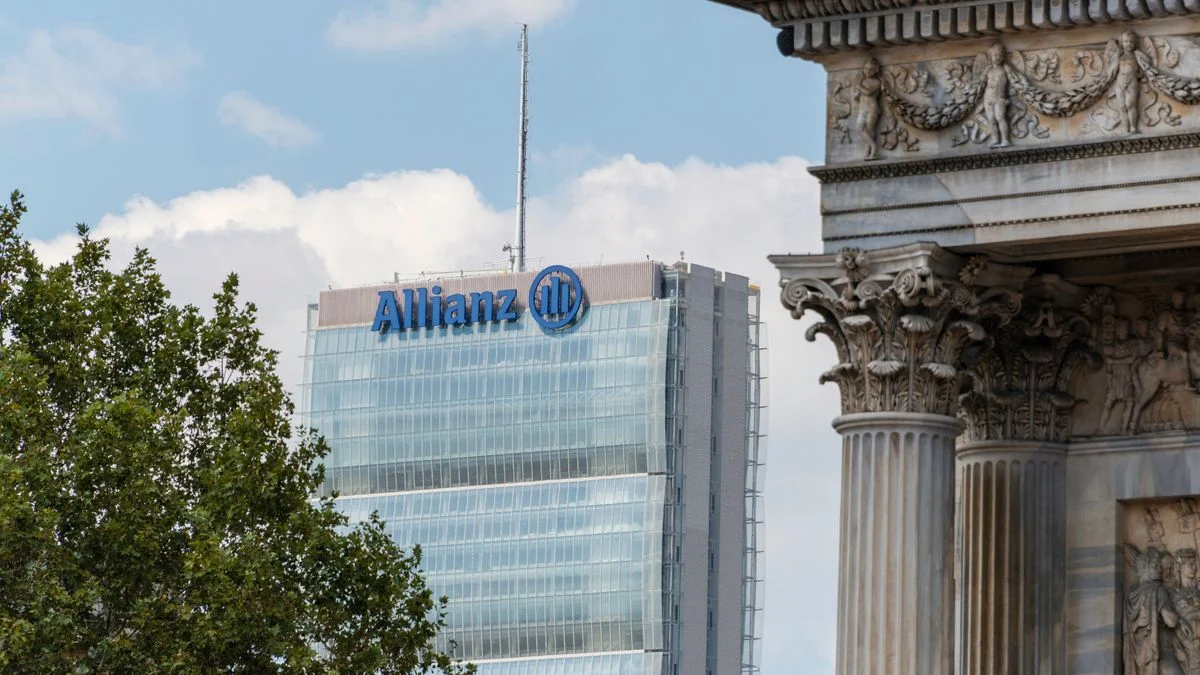
The global financial landscape is currently defined by shifting interest rates, geopolitical instability, and unpredictable climate-related catastrophes. Yet, against this backdrop of uncertainty, the German insurance giant Allianz SE has delivered a masterclass in operational resilience. In a move that caught analysts off guard, the Munich-based insurance powerhouse reported a record-breaking performance for the first quarter of the year, signaling robust health across its diverse business segments.
Driven by a significant reduction in natural disaster-related claims and a surging appetite for its asset management services, Allianz has cemented its position as a pillar of European financial stability.
Main Facts: A Quarter of Milestones
The headline figures released by the DAX-listed titan paint a picture of undeniable growth. Allianz announced an operative profit of 4.5 billion euros for the first quarter, representing a 6.6 percent increase compared to the same period last year. This figure is not merely an improvement; it is an all-time high for the group, shattering internal projections and outperforming market consensus.
The success was primarily driven by the Property and Casualty (P&C) division, which benefited from a "benign" quarter regarding large-scale catastrophes. While the insurance industry often remains at the mercy of climate events, the absence of major fires or floods allowed the company to maximize its underwriting margins. Simultaneously, the asset management arm—comprising the powerhouse firms PIMCO and Allianz Global Investors—saw a historic influx of capital, with 45 billion euros in net new money flowing into their funds.
Chronology: From Recovery to Records
The path to this quarter’s success was paved by a strategic pivot in late 2023.
- January – February: Allianz began the year by streamlining its risk exposure. Having suffered heavily in the previous year due to the devastating wildfires in the Los Angeles region—which had created a massive strain on the P&C balance sheet—the group implemented stricter underwriting criteria and improved cost-containment measures.
- March: As the quarter drew to a close, the asset management division began to show the fruits of renewed investor confidence. Despite market fears regarding sticky inflation, clients flocked to PIMCO and Allianz Global Investors at a pace that outperformed the previous year by 57.6 percent.
- Early May: The official release of the Q1 results confirmed the speculation of the previous months. By reporting an operative profit that suggests the company is firmly on track to meet its annual target of 16.4 to 18.4 billion euros, Allianz signaled to the market that the volatility of the past eighteen months has been successfully mitigated.
Supporting Data: Dissecting the Financial Engine
To understand how Allianz achieved these results, one must look beyond the headline profit and into the granular data of its business segments.
The Property and Casualty Surge
The P&C segment was the engine room of this quarter’s growth. By maintaining lower costs and facing fewer high-severity claims, the division was able to widen its margins significantly. The contrast between this year’s calm and last year’s chaos in Southern California serves as a stark reminder of how sensitive the insurance sector is to environmental variables. However, Allianz’s ability to leverage these lower costs into profit demonstrates high operational efficiency.
Asset Management: The PIMCO Factor
The figures surrounding the group’s asset management arms are perhaps the most impressive. The 45 billion euros in net new inflows represent an all-time record for the company. This inflow pushed the total assets managed for third parties to a staggering level, reinforcing the company’s status as one of the world’s most trusted institutional asset managers. With global markets oscillating, the flight to quality—which favors giants like PIMCO—appears to have benefited the Allianz bottom line substantially.
The Life and Health Insurance Paradox
It is not all growth across every metric. The life and health insurance business saw a slight contraction in its new business margin, which fell to 5.3 percent. While this represents a decrease, it is essential to contextualize this figure. Allianz had set an internal target of at least 5 percent; by clearing this hurdle, the company successfully managed to stay within its strategic comfort zone despite a 5.1 percent decline in the operative result for this specific segment, which totaled roughly 1.4 billion euros.
Official Responses and Strategic Vision
Oliver Bäte, the Chief Executive Officer of Allianz, has maintained a tone of cautious optimism throughout the reporting period. In his statements following the release of the quarterly figures, Bäte emphasized that the company’s current performance is a reflection of a long-term strategy, rather than a stroke of luck.
"We are on a clear path," Bäte noted, reaffirming the company’s commitment to its annual target range. He highlighted that the company’s footprint—spanning nearly 70 countries and serving approximately 97 million customers—provides a natural hedge against regional economic downturns.
By diversifying its risk across multiple continents and products, Bäte argues, Allianz is shielded from the localized shocks that often derail smaller, more concentrated firms. His leadership has been characterized by a push toward digital transformation and administrative efficiency, which has allowed the company to keep operating costs low even as the volume of its business continues to expand.
Implications: What This Means for the Market
The implications of Allianz’s Q1 performance are far-reaching, both for the insurance industry and the broader European stock market.
Confidence in the Insurance Sector
For years, investors have been wary of the insurance sector due to the rising costs of climate change and the complexities of interest-rate environments. Allianz’s ability to generate record profits in such a climate serves as a vote of confidence for the entire sector. It proves that insurers can successfully adapt their pricing models to account for increased environmental risks.
Stability for the DAX
As one of the largest constituents of Germany’s DAX index, Allianz acts as a bellwether for the German economy. In an era where Germany’s industrial sector has faced significant headwinds, the robust performance of its financial services giants is vital. It provides a source of stability for pension funds and institutional investors who rely on the dividend payouts associated with the company’s steady performance.
The Future of Asset Management
The record inflows into PIMCO and Allianz Global Investors suggest that investors are shifting their focus toward established, fixed-income-heavy managers. This shift may signify a broader trend in global finance: as interest rates stabilize, institutional investors are looking for safe, high-yield opportunities, and they are increasingly entrusting their capital to managers with the scale and expertise of the Allianz group.
Conclusion: A Blueprint for Resilience
The first quarter of the year has been a testament to the power of operational discipline. By balancing the inherent risks of property and casualty insurance with the high-growth potential of global asset management, Allianz has constructed a business model that is as durable as it is profitable.
As the company looks toward the remainder of the year, the challenges remain significant. Climate change continues to pose an existential risk to the underwriting model, and shifting geopolitical alliances could disrupt global markets. However, with a record-setting start, a clear path to its annual earnings target, and a massive, loyal client base, Allianz is arguably better positioned than ever to navigate the complexities of the modern global economy.
For the shareholders, employees, and the 97 million clients who rely on the Munich-based giant, the message from this quarter is clear: the Allianz engine is running at peak performance, and it shows no signs of slowing down. As the fiscal year progresses, the focus will now shift to whether the company can maintain this momentum in the face of potentially more turbulent weather patterns and evolving market dynamics. If the first three months are any indication, the company’s management team is more than prepared for the task.




















Leave a Reply