

By Editorial Staff
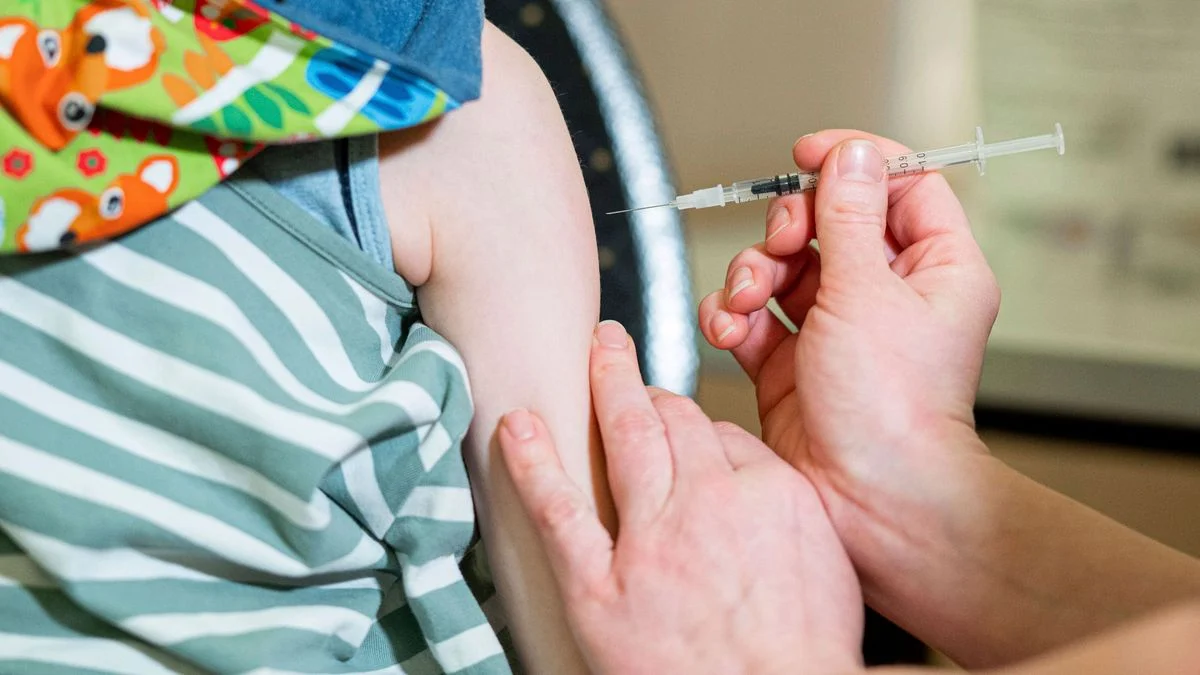
The Standing Committee on Vaccination (STIKO), in conjunction with the Robert Koch Institute (RKI), has issued a sobering warning regarding the state of public health in Germany: the protection of children and adolescents suffering from underlying medical conditions against influenza is "significantly too low." Despite clear medical guidance, recent data indicates that approximately 90% of children at high risk for severe flu complications remain unvaccinated, leaving them vulnerable to preventable health crises.
This article explores the critical gaps in immunization, the systemic failures in communication, and the urgent medical consensus that seeks to reverse this trend before the next influenza season claims more young lives.
Main Facts: A Persistent Gap in Pediatric Care
The core issue is a stark discrepancy between medical necessity and clinical reality. According to comprehensive data analyzed by the RKI and STIKO, only about one in ten children with a pre-existing condition has received a flu shot in recent years. This statistic is not merely a data point; it represents over a million children who are essentially unprotected against a virus that, for them, could prove life-threatening.
The analysis, which scrutinized billing data from Associations of Statutory Health Insurance Physicians across eleven flu seasons (from 2014/2015 to 2024/2025), paints a grim picture. Out of an estimated 1.2 million children and adolescents with chronic conditions who are officially targeted for vaccination, roughly 1.1 million remained unimmunized in any given season.
The medical community is clear: children with conditions such as asthma, cardiovascular disease, diabetes, obesity, or immune deficiencies are at a vastly elevated risk of severe influenza. Yet, the current vaccination coverage is, by the STIKO’s own admission, "deficient."
Chronological Analysis: A Decade of Under-Vaccination
The study provides a longitudinal look at the past decade, revealing that the problem is not a recent phenomenon but a long-standing failure of public health outreach. By tracking the billing data over eleven years, researchers were able to confirm that the immunization gap has remained stubbornly consistent.
The Timeline of Neglect:
- 2014–2018: Early years of the analysis showed consistently low uptake, with no significant improvement despite advancements in pediatric care and increased awareness of viral transmission.
- 2019–2021: The COVID-19 pandemic introduced new variables, including lockdowns and masking, which temporarily suppressed flu circulation. However, the underlying lack of vaccination for chronic pediatric cases remained largely unchanged, even as focus shifted toward SARS-CoV-2.
- 2022–2025: Post-pandemic, the return of "normal" social interactions led to a resurgence of influenza. Despite this, the vaccination rates for the vulnerable cohort analyzed in the study did not see the necessary uptick, suggesting a systemic disconnect between the threat of the virus and the public’s perception of the vaccine’s importance.
Supporting Data: The Burden of Disease
To understand why this is a public health emergency, one must look at the impact influenza has on the pediatric population. The RKI notes that in recent years, children and adolescents under the age of 18 have accounted for a staggering 30% of all hospitalizations related to influenza.
While many healthy children experience mild to moderate symptoms, those with underlying conditions—such as chronic respiratory issues or compromised immune systems—face a much higher probability of complications. These can include pneumonia, secondary bacterial infections, encephalitis, and, in severe instances, mortality.
The data confirms that the vaccine is highly effective at preventing the most severe outcomes—hospitalization and death—even if it does not always prevent a mild case of the flu. Yet, the failure to prioritize these high-risk groups has led to a preventable influx of patients into pediatric wards every winter, straining healthcare systems that are already under significant pressure.
Official Responses and Expert Insights
The consensus among pediatric experts is that the failure to reach these children is multifaceted, rooted in poor communication, systemic skepticism, and the "invisibility" of severe flu cases in daily practice.
The Communication Gap
Dr. Robin Kobbe, a specialist in pediatric and adolescent medicine and a Clinical Scientist at the University Medical Center Hamburg-Eppendorf, highlights that the primary driver for low uptake is "suboptimal communication regarding the risks of influenza infection."
According to Dr. Kobbe, there is a fundamental lack of public awareness regarding the high protective value of the annual shot. "We are failing to clearly communicate that for a child with a chronic illness, a flu infection is not just a week of fever—it is a potential medical crisis," he notes.
The Reputation Problem
Perhaps more alarmingly, Dr. Kobbe points to a lingering, often unearned, skepticism regarding the vaccine itself. This skepticism is not limited to parents; it permeates sections of the healthcare system. "The reputation of the influenza vaccine—unjustly—is not good, not only among parts of the population but also among employees of the health system in terms of side effects and efficacy," says Kobbe.
This "scepticism of the experts" creates a feedback loop. If a pediatrician is lukewarm in their recommendation, a parent is significantly less likely to authorize the procedure. Dr. Kobbe offers a sobering, almost cynical observation: because many pediatricians see hundreds of children who recover quickly from the flu, they may lose sight of the catastrophic cases. "Perhaps the numbers of complicated and fatal disease courses are hard to put in relation to the many less dramatically ill children," he says. "Or, sarcastically speaking, the death toll is simply not high enough for every pediatrician to have experienced it with their own patients to recognize the importance of the influenza vaccine."
Implications: The Path Forward
The implications of this persistent under-vaccination are clear: the health system must undergo a paradigm shift in how it prioritizes and promotes the influenza vaccine.
Who Should Be Vaccinated?
The STIKO guidelines remain robust. The vaccine is recommended primarily for:
- People over 60 years of age.
- Individuals with chronic medical conditions.
- Residents of nursing and long-term care facilities.
- Medical personnel and caregivers.
- Pregnant women (from the second trimester onwards).
- Children and adolescents from six months of age with specific underlying health conditions.
Strategic Recommendations
To close the gap, health authorities suggest a three-pronged approach:
- Standardized Proactive Counseling: Pediatricians must move from "reactive" to "proactive" communication. Every visit for a child with a chronic condition should include a formal discussion about the upcoming flu season, beginning in late summer.
- Combating Misinformation: There is an urgent need for an educational campaign aimed at both the public and medical professionals, focusing on the rigorous safety profiles of current flu vaccines and the quantifiable risk reduction they provide.
- Institutional Integration: Vaccination should be integrated into the standard care plan for chronic disease management. Just as a diabetic child tracks their blood glucose, the influenza vaccination should be viewed as a vital, non-negotiable component of their chronic care management plan.
The Timing Factor
The STIKO reiterates that the window of opportunity is narrow. The vaccination should occur between October and mid-December. Timing is essential, as the immune response takes roughly two weeks to develop, and the flu wave typically gains momentum in the depths of winter. Waiting until the wave is already present is often too late to provide the necessary protection.
Conclusion
The findings from the RKI and STIKO serve as a wake-up call. Protecting the most vulnerable children is a hallmark of a functioning healthcare system. Currently, the gap between the medical recommendation and the implementation of that recommendation is wide, potentially dangerous, and entirely bridgeable.
As the medical community looks toward future seasons, the goal is clear: to ensure that the 1.1 million children currently left unprotected receive the evidence-based care they deserve. Whether through better physician-patient communication or a more robust public health narrative, the message must be consistent: for children with underlying conditions, the flu vaccine is not optional—it is a critical safeguard for their health and future.
























