As the German government prepares to unveil a comprehensive pension reform package, leaked documents from the state’s pension commission have ignited a firestorm of controversy. From trade union leaders to prominent economic scholars, the proposed measures are being dissected, debated, and largely denounced as either socially regressive or insufficiently bold.
The Main Facts: A Contentious Blueprint for Reform
With the coalition government led by the SPD and the Union aiming to finalize a landmark reform package by early July, the stakes for Germany’s social security architecture have never been higher. The leaked proposals, intended to address chronic deficits in the pension and healthcare systems while boosting national competitiveness, have inadvertently triggered a national debate over the future of the "social contract."
At the heart of the controversy are suggestions that would fundamentally alter the retirement landscape. Key among these are the potential for a significant decline in the pension level beginning in 2031, a gradual increase in the retirement age, and the controversial phasing out of the "pension at 63." While the government views these adjustments as necessary steps toward fiscal sustainability, critics view them as a direct attack on the dignity and lifetime contributions of the German workforce.
Chronology: From Whispers to Public Outcry
- Early June 2026: Initial discussions within the government’s Alterssicherungskommission (Pension Security Commission) regarding structural deficits leak to the press.
- June 19–20, 2026: Details of the proposals—specifically the reduction of the pension level and the removal of early retirement pathways—circulate among policy circles.
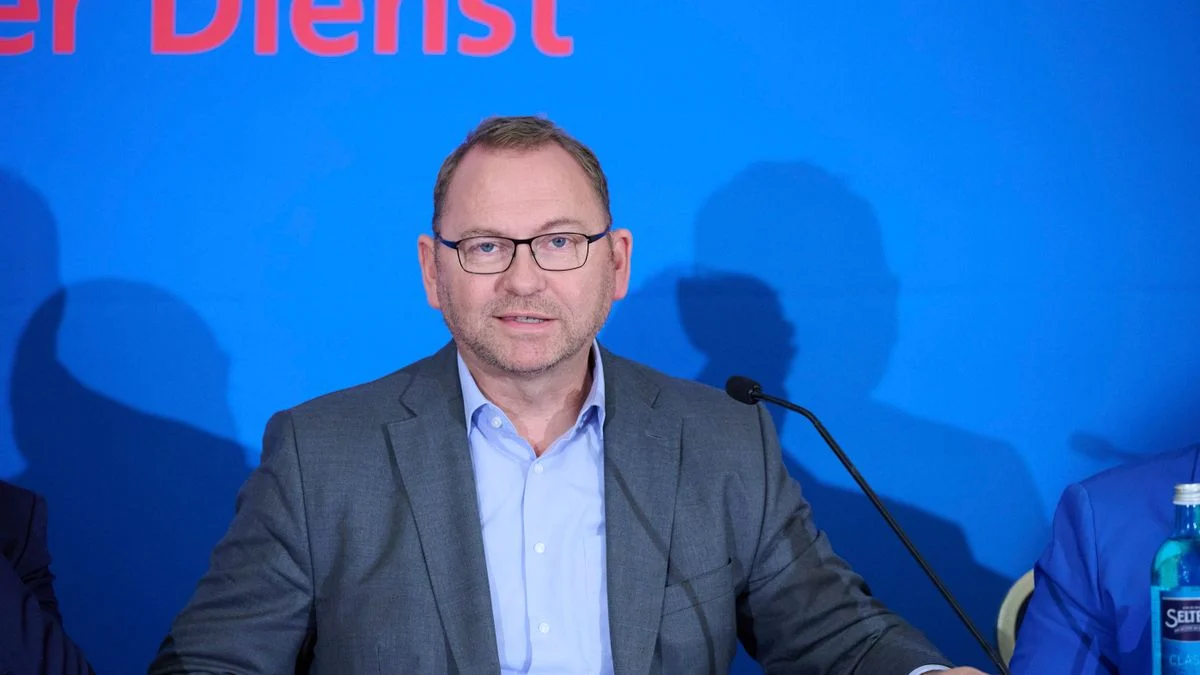
- June 21, 2026: Public backlash intensifies as union leaders, including Ver.di head Frank Werneke, issue formal condemnations.
- June 22, 2026: Opposition parties and social welfare organizations join the fray, labeling the plans "an assault on the working class" and a "slap in the face."
- Early July 2026 (Projected): The official deadline for the coalition to present its legislative package to the Bundestag.
Supporting Data: The Pressure on the System
The German pension system is currently grappling with a "perfect storm" of demographic shift and structural underfunding. The ratio of contributors to retirees continues to shrink, putting unsustainable pressure on the statutory pension insurance scheme.
- Demographic Reality: With the "Baby Boomer" generation approaching full retirement, the dependency ratio is hitting historic highs.
- Financial Strain: Current projections suggest that without intervention, the contribution rates required to sustain the current system would exceed the economic tolerance of both employees and employers.
- Proposed Adjustments: The Commission’s document contains over 30 individual proposals, including the integration of self-employed individuals, parliamentarians, and board members into the statutory pension system—a measure that has garnered rare, if cautious, praise from labor unions.
Official Responses: A House Divided
The Labor Perspective
Ver.di Chairman Frank Werneke has emerged as the most vocal opponent of the current draft. "At its core, these plans completely ignore the reality of working people," Werneke stated during a press conference in Berlin. He specifically targeted the proposal to lower the pension level after 2031, noting that existing levels are already insufficient to guarantee a life of dignity for many.
Furthermore, Werneke argued that raising the retirement age is disconnected from the physical and psychological toll of modern labor. "For many professions, the current retirement age of 67 is already an impossible goal. Abolishing the ‘pension at 63’ is a total disregard for the lifetime achievement of those affected," he declared.

The Political Spectrum
Britta Haßelmann, parliamentary leader of the Greens, expressed significant reservations about the failure to stabilize the pension level at 48 percent. "In Eastern Germany, where more than 70 percent of the population relies solely on statutory pension insurance, these recommendations offer no security," she warned.
The Left Party (Die Linke) has been even more vitriolic. Heidi Reichinnek, parliamentary leader, described the proposals as a "punch in the gut." She advocates for a systemic overhaul, including a statutory minimum pension of 1,400 euros, arguing that the government should focus on broadening the base of contributors rather than cutting benefits.
The Institutional View
The Caritas association has raised concerns regarding the "fragmentation" of social security in an era of artificial intelligence and shifting career paths. President Eva Maria Welskop-Deffaa warned that the proposals to cut pension points for family caregivers are "sending exactly the wrong signals" to a society that relies heavily on unpaid domestic and care work.
The Economic Critique: Not Ambitious Enough
Interestingly, the reform plans are also facing heavy fire from the other end of the ideological spectrum. Economic experts argue that the proposals lack the courage necessary to address deep-seated structural issues.
Gabriel Felbermayr, a prominent member of the German Council of Economic Experts, criticized the lack of ambition in the draft. "Unfortunately, there is a clear lack of courage to reverse the wrong turns taken in recent years—such as the ‘Mütterrente’ (mothers’ pension)," he remarked in an interview with Handelsblatt.
Marcel Fratzscher, President of the German Institute for Economic Research (DIW), echoed these sentiments. He argued that the proposals fail to solve the "three major problems: high levels of old-age poverty, the excessive burden on the younger generation, and the fundamental injustice in the system." For economists, the focus on minor adjustments ignores the necessity of a total paradigm shift.

Implications: The Looming Legislative Battle
As the July deadline approaches, the coalition government finds itself in an unenviable position. To proceed with the current reforms is to risk mass mobilization by unions and potential electoral backlash; to scrap them is to leave a fiscal time bomb ticking.
The debate has highlighted three critical tensions that will define German politics for the remainder of the year:
- The Intergenerational Conflict: How to balance the needs of today’s retirees against the financial burden placed on a shrinking workforce.
- The Definition of "Work": The conflict between traditional full-time employment models and the reality of modern, flexible, and often precarious "gig" or AI-integrated careers.
- Fiscal Sustainability vs. Social Equity: The inherent difficulty of maintaining a "social state" in an increasingly competitive global economy.
The government’s next move will be a litmus test for its stability. If the coalition cannot find a middle ground that satisfies the concerns of social welfare groups without alienating the economic realists, the pension reform could become the defining failure of the current legislative period.
The coming weeks will be marked by intense closed-door negotiations. Whether the government opts for a watered-down version of these proposals or seeks a bolder, more equitable compromise remains to be seen. What is clear, however, is that the era of minor pension adjustments is over; the system requires a transformation that the current political landscape is, as yet, unable to deliver.