By MDR SACHSEN (Reportage)
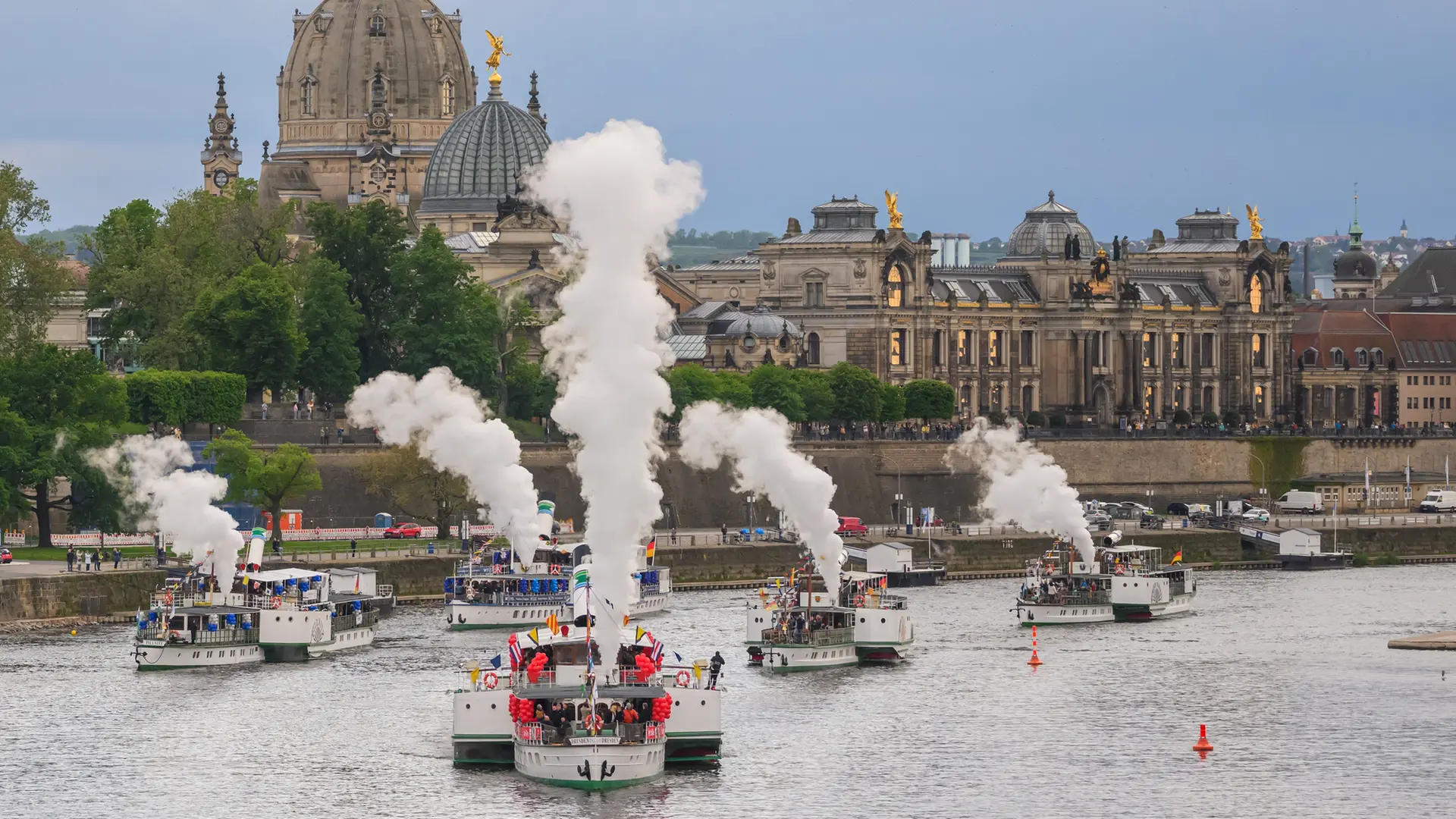
The Elbe River in Dresden is more than just a waterway; it is the lifeblood of the city’s identity, a shimmering ribbon that has connected the Saxon capital to its past for nearly two centuries. This year, the city is enveloped in a festive atmosphere as the "Weiße Flotte" (White Fleet) celebrates a monumental milestone: 190 years of continuous steamship operation. From the nostalgic paddle-wheelers that have defined the city’s skyline to the modern challenges of river tourism, the celebration at Dresden’s Terrassenufer is a testament to resilience, tradition, and the enduring allure of the Elbe.
Main Facts: A Landmark Anniversary
The 190th anniversary of the Sächsische Dampfschifffahrt is not merely a corporate milestone; it is a celebration of a global cultural treasure. The fleet, currently operated under Swiss ownership following the company’s restructuring and insolvency in 2020, holds the distinction of being the oldest and largest paddle-steamer fleet in the world.
The festivities, centered around the iconic Terrassenufer, feature a blend of historical reflection and modern entertainment. Visitors are treated to curated screenings of historical footage that trace the evolution of the fleet, interactive workshops for children, and the rare opportunity to walk the decks of legendary vessels such as the Dresden, Pillnitz, and Diesbar. These ships, often referred to as "living industrial monuments," remain functional, maintaining a connection to the steam-powered era that once dominated European inland navigation.

Chronology: From "Königin Maria" to the Modern Era
To understand the magnitude of this anniversary, one must look back to 1836. It was in this year that the Königin Maria, the first Elbe steamer, made its inaugural voyage. At a time when horse-drawn towpaths were still a common sight along the riverbanks, the arrival of steam power represented a technological revolution that would forever alter the economic and cultural landscape of Saxony.
The 19th Century Expansion
The success of the Königin Maria led to a rapid expansion of the fleet. By the late 1800s, the "White Fleet" had become the backbone of regional transport, facilitating not only trade but the burgeoning tourism industry that drew travelers to the Saxon Switzerland region.

The Challenges of the 20th and 21st Centuries
The 20th century brought immense turbulence, including the destruction of World War II, the ideological shifts of the GDR era, and the eventual privatization following reunification. The most critical juncture in recent history occurred in 2020, when the Sächsische Dampfschifffahrt faced insolvency. The acquisition by Swiss investors marked a turning point, prioritizing the preservation of the heritage fleet while modernizing operational efficiency. Today, the fleet serves as a bridge between the industrial past and the sustainable tourism of the future.
Supporting Data: The Scale of Operations
The celebration of the 190th anniversary coincides with the 54th International Dixieland Festival in Dresden, creating a synergy of music and maritime history. The scale of the current operation is staggering:

- Global Reach: The fleet currently manages a diverse array of ships, including the world’s oldest operational paddle steamers.
- The Festival Factor: During the anniversary/festival weekend, 44 bands and soloists from eight countries have converged on the city.
- Infrastructure: The city has prepared 58 distinct stages to host approximately 275 hours of live music, much of which takes place on or in close proximity to the Elbe.
- Public Engagement: Thousands of visitors are expected to board the ships for the "Riverboat Shuffle," a tradition that remains the crown jewel of the festival’s maritime programming.
Official Responses: A Commitment to Heritage
Marketing Director Anke Bär, who has been instrumental in organizing the anniversary events, emphasized the emotional connection between the city and its fleet. "We wanted to make a splash this year," Bär remarked during the opening of the festivities. "It isn’t just about the ships; it’s about the people who have maintained them, the passengers who have marveled at the Elbe Valley, and the enduring spirit of Dresden."
Regarding the Friday evening festivities, which featured a gala event themed around the "Golden 1920s," Bär noted that the high demand for tickets reflects the public’s desire to reconnect with historical glamour. "We are committed to tradition, but we are also focused on hospitality. The goal is to ensure that every visitor feels the pulse of the Elbe," she added.
Beyond the celebratory aspects, the event also serves as an educational platform. The presence of the Water Police, the Technical Relief Agency (THW), and the DLRG (German Lifesaving Association) provides a rare behind-the-scenes look at the safety and maintenance infrastructure required to keep the river navigable and safe for all.
Implications: The Future of the "White Fleet"
The 190th anniversary is not an endpoint, but a moment of strategic recalibration. The implications for the future are threefold:
1. Cultural Heritage Preservation
The fleet acts as a floating museum. The ongoing maintenance of paddle steamers like the Diesbar requires specialized engineering skills that are increasingly rare. The current management has signaled a commitment to training the next generation of mechanics and captains, ensuring that these vessels remain in the water rather than being relegated to dry-dock exhibits.
2. Economic Impact on Tourism
Dresden’s tourism sector is intrinsically linked to the Elbe. The "White Fleet" serves as the city’s primary mobile landmark. By integrating major cultural events like the Dixieland Festival with the shipping schedule, the city maximizes the economic impact of its tourism infrastructure, drawing international crowds that might otherwise overlook the regional maritime history.
3. Sustainability and Modernization
While the paddle steamers represent the past, the company is under pressure to modernize its fleet to meet environmental standards. The transition towards cleaner fuels and more efficient navigation systems is the next great hurdle. The 190th anniversary serves as a reminder that the "White Fleet" has survived wars, floods, and financial collapse; its ability to adapt is its most defining trait.
A City in Motion
As the sound of steam sirens echoes off the historic facades of the Altstadt, it is clear that the relationship between Dresden and its ships remains vibrant. The 190th anniversary is a celebration of more than just a company; it is a celebration of the river that carved the valley and the people who learned to harness its power.
Whether it is the rhythmic churning of the paddle wheels, the brassy notes of a Dixieland band drifting over the water, or the sight of families lining the riverbanks, the scene in Dresden this weekend is one of unity. In a world that is constantly changing, the "White Fleet" offers a rare continuity—a reminder that some things, like the gentle flow of the Elbe and the majesty of a steamship at sunset, are worth preserving for the next 190 years.
As the festivities conclude and the ships return to their moorings, the message from the organizers is clear: the history of the Sächsische Dampfschifffahrt is still being written. The 190th year is not a final chapter, but a bold opening to a new era of maritime excellence in the heart of Europe.