The Structural Shift: Hochtief Joins the DAX Elite
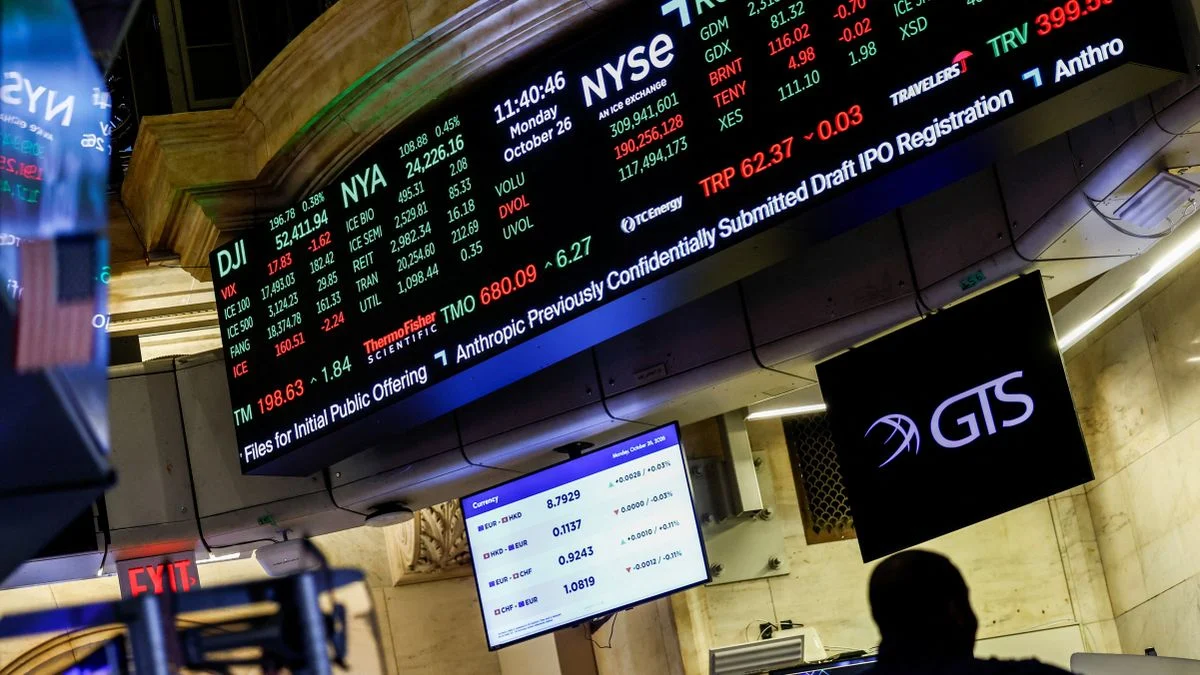
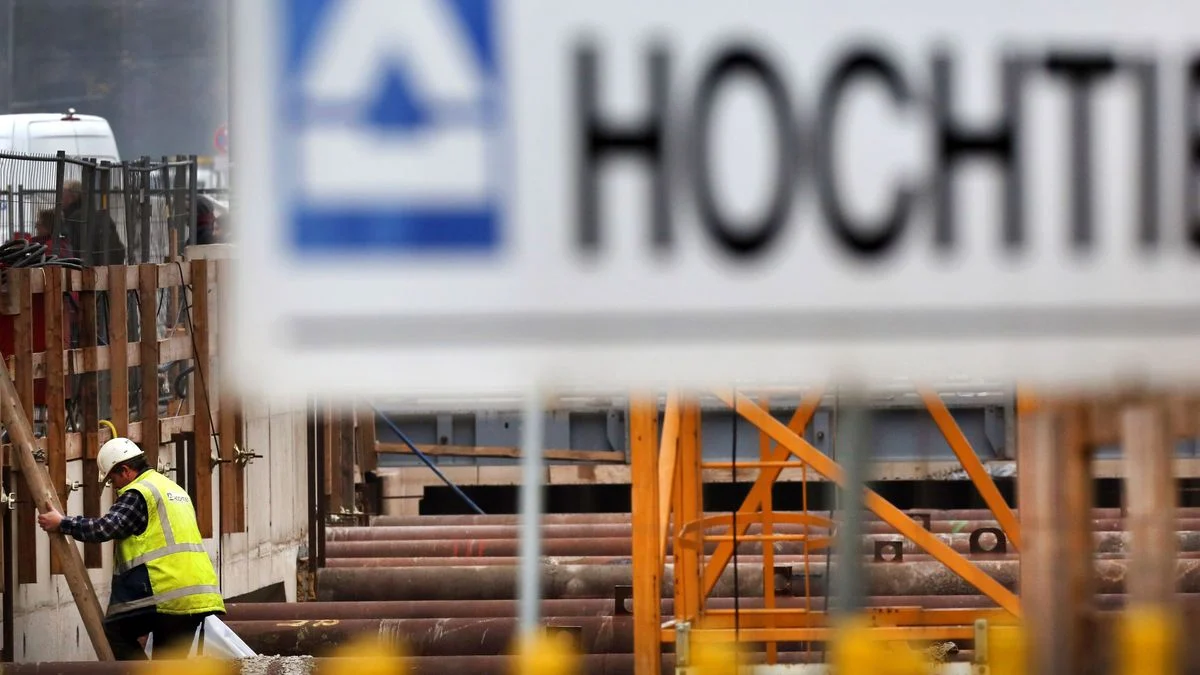
In a significant reshuffling of the German financial landscape, the Essen-based construction giant Hochtief AG has officially ascended to the DAX, Germany’s premier stock market index comprising the country’s 40 most valuable and liquid publicly traded companies. As of Monday, Hochtief stepped into the vacuum left by the Volkswagen major shareholder, Porsche SE, which has been relegated to the MDAX, the index for mid-cap stocks.
This milestone marks a historic moment for Hochtief. While the company has long been a pillar of the German industrial landscape, its promotion to the DAX—the "Blue Chip" index—represents a formal recognition of its current market dominance and liquidity. For institutional investors and index-tracking funds, this transition is not merely symbolic; it triggers a mandatory rebalancing of portfolios to mirror the new composition of the index, ensuring that capital flows reflect the updated hierarchy of the German market.
Chronology of an Ascent: From Infrastructure to AI
The journey to the DAX was not an overnight success but the result of a sustained, multi-year strategic pivot.
- Early 2023: Hochtief begins to aggressively realign its portfolio toward high-growth infrastructure, capitalizing on global trends in energy transition and digital connectivity.
- Late 2023: The company reports record demand for its specialized construction services, particularly in the North American market, where its subsidiary, Turner, secures major contracts for hyperscale data centers.
- June 2024: Deutsche Börse announces the upcoming index reshuffle, naming Hochtief as the primary candidate for promotion based on its surging market valuation and trading liquidity.
- September 2024 (Official Date): Hochtief completes its transition into the DAX, marking the conclusion of a period where the company’s share price more than tripled within a twelve-month window.
The Engines of Growth: Why Hochtief is Booming
The meteoric rise of Hochtief’s valuation—now hovering around €38 billion—is rooted in its uncanny ability to align its expertise with the most pressing demands of the 21st-century global economy.
The AI Infrastructure Gold Rush
The primary catalyst for Hochtief’s recent performance is the global boom in artificial intelligence. AI requires massive, specialized computing power, which in turn necessitates the construction of sophisticated, high-energy-density data centers. Through its US subsidiary, Turner, Hochtief has positioned itself as a lead contractor for the tech giants of Silicon Valley. These projects are not only high-margin but also represent a recurring demand cycle as the physical footprint of the digital economy expands globally.
Infrastructure and Defense
Beyond the digital realm, Hochtief has benefited from the geopolitical shift toward heightened state spending. As nations grapple with aging infrastructure and the urgent need to secure supply chains, Hochtief’s capacity to execute complex engineering projects—from tunnels and bridges to airports and military infrastructure—has become a strategic asset. The company’s focus on energy transition projects, such as large-scale solar parks, has further cemented its role as an indispensable partner for governments worldwide.
Supporting Data: The Anatomy of the Corporation
Despite its German roots and headquarters in Essen, Hochtief operates as a truly global conglomerate. The statistics behind its current status illustrate a company that has successfully globalized its operations while maintaining its core engineering excellence.
- Global Workforce: As of the close of 2025, the company employed approximately 61,500 people. Notably, only about 3,700 of these employees are based in Germany, highlighting the company’s heavy reliance on its international subsidiaries, particularly Turner in the United States and Cimic in Australia.
- Ownership Structure: A unique aspect of Hochtief is its concentrated ownership. Approximately 80% of the company’s shares are held by the Spanish infrastructure giant Grupo ACS. This leaves a "free float" of roughly 20%. Under standard market rules, this would often act as a barrier to index entry; however, Hochtief’s sheer market capitalization and high trading volume have satisfied the rigorous criteria set by Deutsche Börse for inclusion in the DAX.
- Synergistic Revenue: The integration between Hochtief and its parent company, ACS, is profound. In 2025, Hochtief’s business operations accounted for roughly three-quarters of the total revenue generated by the ACS group, illustrating that the German entity is effectively the heartbeat of the Spanish parent’s global portfolio.
Official Responses and Strategic Leadership
The leadership of Hochtief remains focused on stability and operational efficiency. Under the guidance of CEO Juan Santamaría Cases, who concurrently serves as the CEO of ACS, the company has maintained a dual-track strategy: driving growth through international expansion while maintaining the rigorous technical standards associated with German engineering.
In recent stakeholder communications, the board has emphasized that the DAX inclusion is a validation of the company’s "asset-light" strategic shift, which prioritizes project management and technological deployment over heavy capital expenditure on machinery and equipment. The board views the transition as an opportunity to increase the company’s visibility among global institutional investors, potentially lowering the cost of capital for future projects.
Implications: What the DAX Promotion Means for the Future
The promotion of Hochtief to the DAX is a bellwether for the German economy’s transition from a purely manufacturing-based model to one centered on infrastructure and digital support systems.
Impact on Financial Markets
For the average investor, the inclusion of Hochtief in the DAX changes the risk-reward profile of the index itself. Investors in DAX-linked ETFs will now have higher exposure to the global construction and engineering sector. This move diversifies the index, which has historically been heavily weighted toward automotive and chemical sectors, providing a hedge against localized European economic downturns through the company’s reliance on the North American and Australian markets.
The Competitive Landscape
Hochtief’s entry into the elite tier of German companies puts pressure on its peers to adapt. The success of its AI-focused strategy sends a clear signal to other construction firms: the future of the industry lies in the intersection of civil engineering and digital architecture. Companies that fail to pivot toward these high-tech infrastructure requirements risk being left behind, not just in market performance, but in their relevance to the modern global economy.
Looking Ahead: 2026 and Beyond
As Hochtief settles into its new position, the market will be watching closely to see if the company can maintain its current trajectory. The volatility of the construction industry—often sensitive to interest rate changes and global supply chain disruptions—remains a factor. However, with a massive backlog of projects related to the energy transition and the ongoing AI revolution, Hochtief appears well-insulated against short-term market turbulence.
The promotion to the DAX is more than a change of ticker symbol or index categorization. It is a declaration that the company has transformed from a traditional builder into an essential architect of the modern, connected world. For a company headquartered in Essen, a city with a rich industrial history, this move to the DAX is a powerful statement of resilience and reinvention, proving that even in a rapidly digitizing global market, the foundation of progress remains, quite literally, the infrastructure we build.