In the high-stakes, high-octane world of European handball, few performances command as much respect as a goaltender single-handedly dictating the rhythm of a game. On Tuesday night at the Rothenbach-Halle, MT Melsungen’s Nebojsa Simic did exactly that. With a display of shot-stopping brilliance that bordered on the supernatural, the Montenegrin international anchored his side to a decisive 28:23 victory over French giants HBC Nantes.
This triumph—the second for Melsungen in their three Champions League outings—was more than just a routine win. It was a statement of intent. By dismantling the French vice-champions, the North Hessian side has vaulted themselves to the summit of Group B, signaling to the rest of the continent that they are no longer just participants in the EHF Champions League; they are contenders.
The Architect of Victory: A Statistical Phenomenon
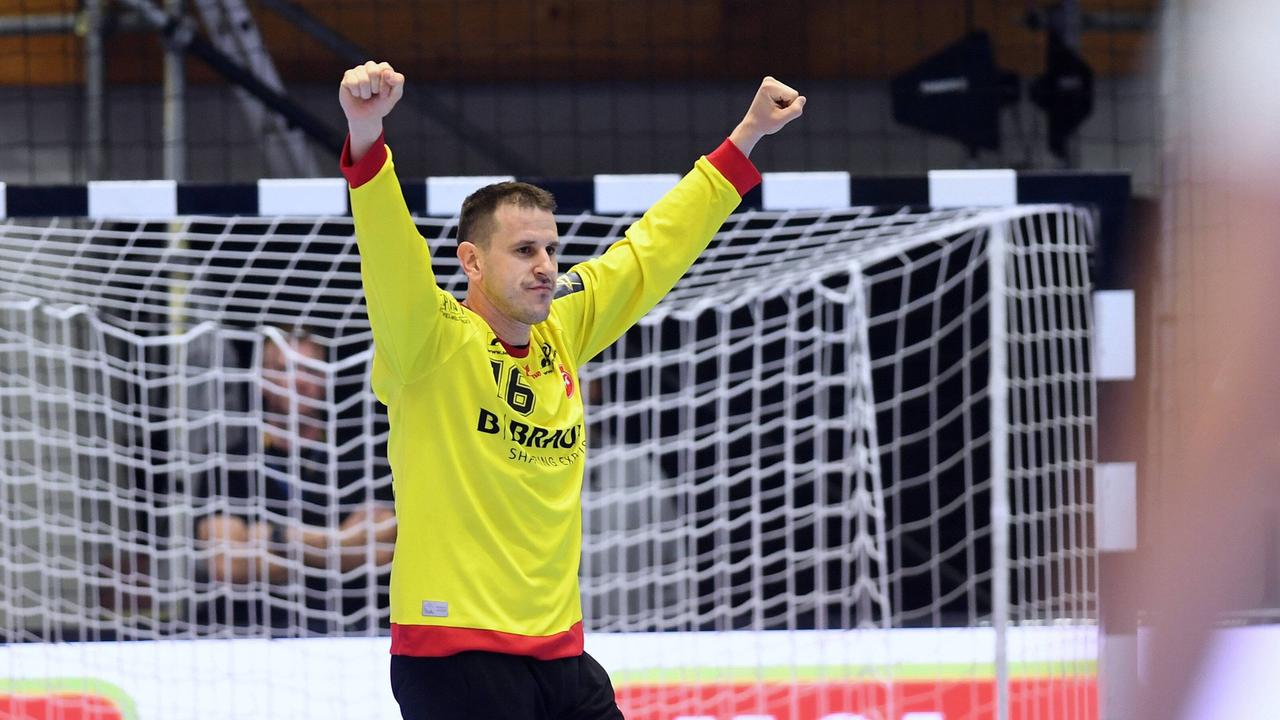
At the heart of the 28:23 scoreline was a singular, towering figure: Nebojsa Simic. In modern handball, a save percentage of 30% is considered respectable, and 35% is regarded as an excellent night at the office. Simic, however, defied these conventions, finishing the evening with an astonishing 42% save rate.
Throughout the first half, Simic was a brick wall. Facing 22 shots from the potent Nantes attack, he turned away 11 of them, effectively stifling the visitors’ momentum before they could ever truly settle. His positioning, reflexes, and ability to read the body language of the French shooters turned the Rothenbach-Halle into a fortress. Every time Nantes threatened to bridge the gap, Simic was there—anticipating, reacting, and ultimately demoralizing his opponents.
Chronology of a Tense Battle
The match began with a frantic pace, as both teams sought to establish dominance early. Melsungen, energized by their home crowd of 3,456, started with defensive intensity. By halftime, the hosts held a comfortable 14:11 lead, a cushion largely built on the foundation of Simic’s eleven saves.
However, top-tier European handball rarely follows a linear path. Following the intermission, the intensity from the French side shifted. Nantes, desperate to reclaim their footing, tightened their defense and forced Melsungen into uncharacteristic errors. The momentum shifted perceptibly in the 44th minute when, for the first time in the contest, Nantes edged ahead. The atmosphere in the arena grew suffocating; the prospect of a late-game collapse loomed over the home side.
It was in this crucible of pressure that Melsungen showed their maturity. Rather than succumbing to the panic that often plagues younger squads, the team rallied behind their goalkeeper. The final quarter of the match saw a tactical masterclass in composure. Melsungen rediscovered their offensive rhythm, utilizing a balanced scoring attack, while Simic continued to make timely, high-leverage saves that prevented Nantes from regaining the initiative. A late, decisive scoring run allowed the hosts to pull away, turning a nail-biting affair into a five-goal victory that felt, in the end, entirely deserved.
A Balanced Offensive Symphony
While Simic grabbed the headlines—and rightfully so—the victory was a testament to the collective effort of the Melsungen squad. Head coach Roberto Garcia Parrondo has built a system that thrives on distribution, and that was on full display against Nantes.
The scoring was distributed across the roster, preventing the Nantes defense from focusing their energy on a single threat. Drosten led the charge with six goals, demonstrating clinical efficiency from the wings. The contributions from the likes of Ignatow (four goals), and a trio of players—Enderleit, Mandic, Golla, Sigrist, and Mensing—who all chipped in with three goals each, underscored the depth of the Melsungen lineup. This democratic approach to scoring makes Melsungen a nightmare to prepare for; when the defense prepares for the back-court shooters, the pivots and wings find the space to operate.
Context and Implications: Navigating Distractions
Beyond the sheer athleticism on display, the victory carries significant psychological weight for the club. The buildup to this match had been marred by swirling rumors and uncertainty regarding the future of team captain and national star Johannes Golla, whose potential move to Flensburg has dominated local sports headlines.
In many clubs, such off-court instability can serve as a catalyst for a decline in performance. Instead, the Melsungen squad used the match as a focal point, channeling the noise into a collective, iron-willed performance. The win serves as a vital "reset button," shifting the narrative from internal transfer speculation to the team’s aspirations on the European stage.
By sitting atop the table in Group B, Melsungen has earned themselves a cushion that will prove invaluable as the grueling Champions League schedule intensifies. They have proven that they can beat high-caliber opposition, they can withstand defensive pressure, and they can remain focused amidst external turbulence.
Statistical Breakdown: The Match in Numbers
The sheer discipline required to maintain a five-goal lead against a team of Nantes’ pedigree cannot be overstated.
- Final Score: MT Melsungen 28, HBC Nantes 23
- Halftime Score: 14:11
- Attendance: 3,446
- Top Scorers (Melsungen): Drosten (6), Ignatow (4), Enderleit (3), Mandic (3), Golla (3), Sigrist (3), Mensing (3).
- Top Scorers (Nantes): Tournat (6), Garciandia (4), Tuchenko (3), Leopold (3).
The efficiency of Melsungen’s offense was particularly notable in the final ten minutes. While Nantes forced the pace, they struggled to find clean looks against a Melsungen defensive block that grew more cohesive as the game progressed. Sipos and Stefansson provided the necessary defensive stability to protect the lead, ensuring that every goal scored by Nantes was hard-earned.
Looking Forward: The Path to the Knockout Stages
As the European handball community digests the results of this latest round, the conversation surrounding MT Melsungen has shifted from "surprise package" to "legitimate threat."
The Champions League is a marathon, not a sprint. However, being at the top of the table after three rounds is a significant psychological advantage. It provides the team with the confidence to rotate their squad, manage player fatigue, and prepare for the even stiffer tests that await in the coming weeks.
For Nebojsa Simic, this performance will likely be analyzed by scouts and opponents alike, but for Melsungen fans, it represents the gold standard of what their team is capable of achieving. As the squad turns their attention to their next domestic and continental challenges, they do so with the knowledge that they possess a world-class anchor in goal—a man who, on his day, can close the door on the best offenses in the world.
The match against Nantes will be remembered not just for the points secured, but for the grit displayed. In the unforgiving environment of elite handball, where a single bad bounce can change the course of a season, Melsungen has shown that they have the heart, the discipline, and the talent to compete with the very best. If this is the form they intend to carry throughout the campaign, the rest of Group B has been served notice: the road to the top of the group runs through North Hesse, and the gatekeeper is currently in the form of his life.