The enduring fascination with the legendary MZ motorcycles of Zschopau continues to transcend time, technology, and industry. Despite the cessation of motorcycle production, the brand remains a potent symbol of German engineering prowess and sporting excellence. To commemorate the 70th anniversary of the marque, master craftsmen from the Erzgebirge have unveiled the fourth installment of the iconic "MZ-Räuchermännchen" (smoking man)—a tribute that bridges the gap between traditional folk art and high-octane motorsport history.
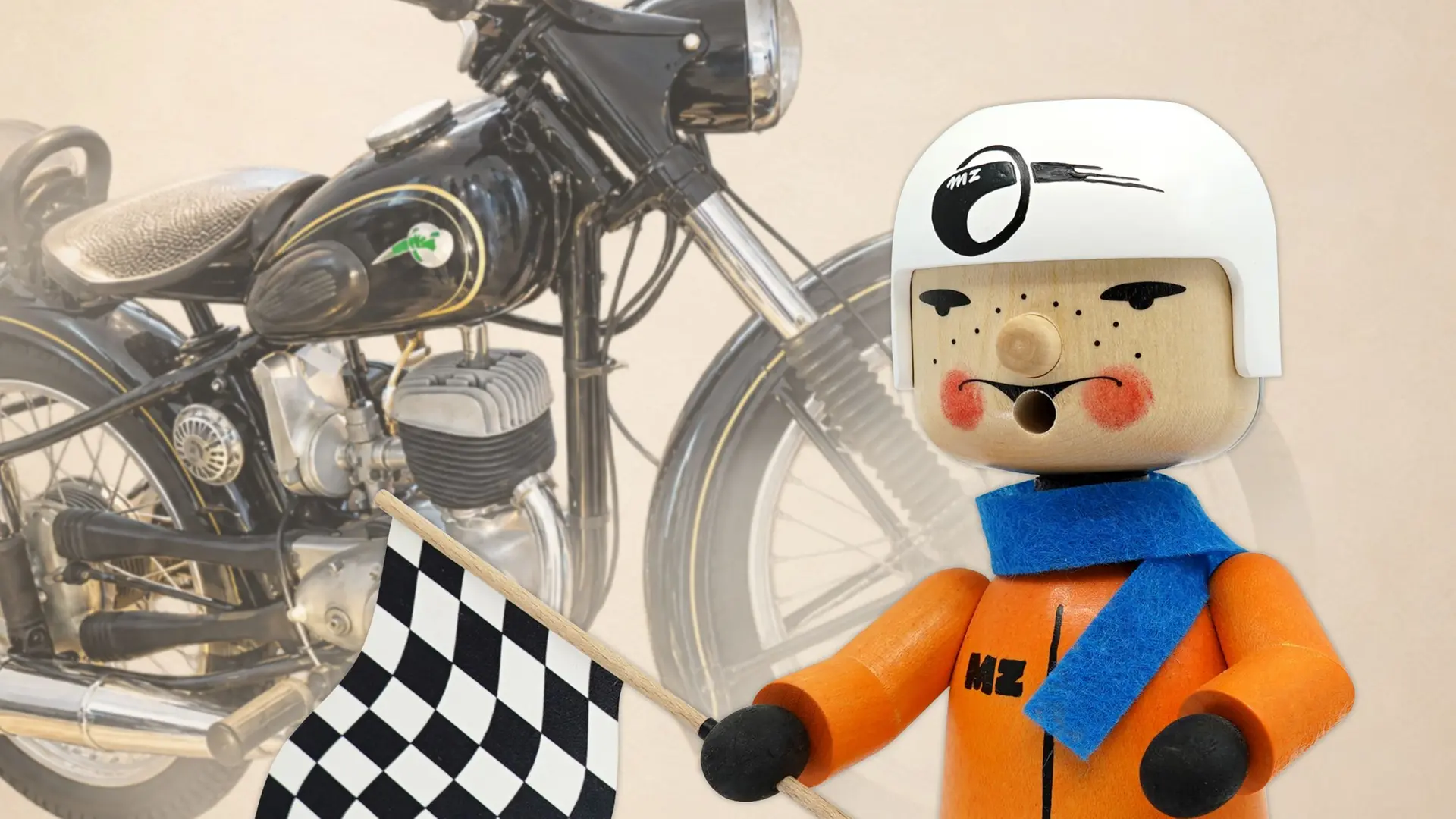
The Essence of the New Collector’s Piece
The latest addition to the MZ-themed smoking man series is a vibrant, 21-centimeter-tall wooden figurine that captures the spirit of the brand’s golden era. Clad in an orange jacket—a color synonymous with the fearless factory riders of the 1960s—the figure sports a white protective racing helmet and brandishes a checkered flag, signaling the end of a race. Most significantly, the helmet is adorned with the authentic, world-famous MZ logo, serving as an official nod to the Zschopau motorcycle works.

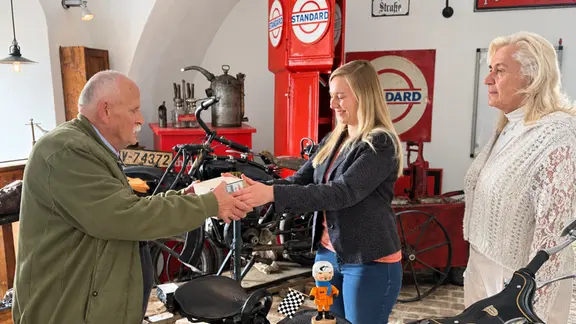
This latest creation is the result of a collaborative endeavor between the City of Zschopau, the esteemed "Blank Kunsthandwerk" workshop in Grünhainichen, and the FEZ Fahrzeugteile GmbH. The figurine was officially presented this past Friday within the hallowed walls of the motor museum at Schloss Wildeck, a location that serves as a cathedral for motorcycle enthusiasts across Europe.
A Chronology of the MZ Legend
To understand the significance of this small wooden figure, one must look back at the origins of the brand. In 1956, the first motorcycles under the "MZ" badge—short for Motorradwerk Zschopau—rolled off the production line. This was a transformative moment for East German industrial design. The flagship of this era, the RT 125, set the standard for reliability and performance in the post-war period.

- 1956: The birth of the MZ brand and the launch of the iconic RT 125.
- 1960s: The peak of MZ’s international dominance in enduro and motocross racing.
- 2026 (Present Day): The 70th-anniversary milestone, marked by the release of the fourth commemorative smoking man.
The decision to limit the production of this new "MZ-Männl" to exactly 1,250 pieces is no coincidence. It is a deliberate reference to the 125cc displacement of the original 1956 RT 125 model, creating a tangible link between the history of the machine and the tradition of Erzgebirge woodcarving.
Homage to the "Six Days" Heroes
The choice of the bright orange color for the figurine is far from arbitrary. It is a direct homage to the "Six Days" (International Six Days Trial) heroes of the 1960s. During this era, MZ factory riders dominated the international off-road circuit.
The riders, including legends like Harald Sturm—a four-time European champion and 1987 team world champion—often wore high-visibility orange protective gear. This choice was practical, as it ensured that riders could be easily identified in the dense forests and poor visibility conditions of the various rally stages. The sight of an orange-clad MZ pilot became synonymous with speed, grit, and the relentless pursuit of victory. By capturing this specific aesthetic, the artisans at Blank Kunsthandwerk have immortalized a period of history that continues to define the identity of Zschopau.
Supporting Data: The Craftsmanship Economy
The production of these figures is more than just a marketing gimmick; it represents a significant intersection of heritage tourism and local manufacturing in the Erzgebirge region.
| Category | Data/Metric |
|---|---|
| Figurine Height | 21 Centimeters |
| Production Run | 1,250 Units |
| Key Symbolism | 125cc displacement (RT 125) |
| Release Date | October 25, 2026 |
| Primary Venue | Schloss Wildeck, Zschopau |
The partnership with Blank Kunsthandwerk highlights the resilience of traditional crafts in a digital age. While modern technology dominates the headlines, the demand for high-quality, handcrafted items that tell a story—like the MZ-Männl—remains robust. These items function as "cultural capital" for collectors, who are not merely buying a decoration, but a piece of the Zschopau soul.

Official Responses and Civic Pride
The unveiling ceremony was a momentous occasion for the city. During the presentation, representatives from the FEZ Fahrzeugteile GmbH and the Blank workshop formally handed over the first, numbered edition of the figurine to the Deputy Mayor of Zschopau, Jürgen Hetzner.
"The MZ brand is the heartbeat of this city," Hetzner remarked during the event. "While the factory doors may have closed, the spirit of MZ remains alive in our museums, in the passion of our restorers, and now, in this beautiful piece of local craftsmanship. It serves as a reminder to the next generation of what this region is capable of."

The collaboration underscores a unified approach to local branding. By linking the industrial past (MZ) with the artisanal present (Erzgebirge woodcarving), the city is successfully carving out a niche in the tourism sector, ensuring that Zschopau remains a destination for motorcycle pilgrims from around the globe.
Implications for the Future of Zschopau
The launch of the fourth smoking man is part of a broader strategy to maintain the relevance of the "Motorcycle City" brand. On October 25, 2026, the city will host its annual "Saisonabtakt" (Season Finale) at Schloss Wildeck. This event is a critical component of the local economy, attracting thousands of visitors who engage in the following activities:
- Motorcycle Market: A massive trade of spare parts, which is essential for the ongoing restoration of vintage bikes.
- Exhibition: A showcase of perfectly restored, "gleaming" old-timers that represent the history of East German automotive engineering.
- Knowledge Exchange: A gathering of experts, hobbyists, and former employees, fostering a community that keeps the technical knowledge of MZ alive.
The event is more than a car show; it is an act of historical preservation. The fact that this event also serves as the launchpad for the new smoking man illustrates how the city integrates its commercial interests with its heritage.

The Cultural Significance of the "Smoking Man"
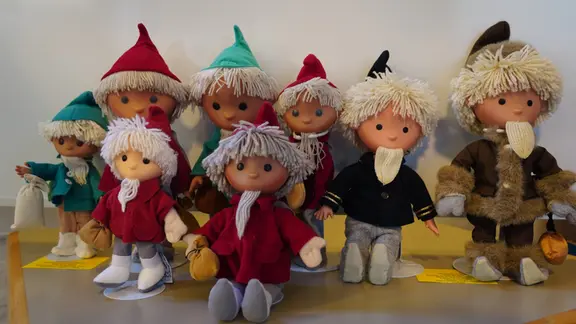
To outsiders, the Räuchermännchen might seem like a simple Christmas decoration. However, in the context of the Erzgebirge, it is a deeply rooted tradition. Originally designed as a caricature of various professions—miners, foresters, and craftsmen—the smoking man is a symbol of domestic comfort and tradition.

By transforming this traditional form into a modern industrial icon, the creators are doing something profound: they are modernizing a folk tradition. The MZ-Männl is not a miner; he is a racer. He does not hold a lantern; he holds a flag. This evolution reflects the changing nature of the region itself—transitioning from a resource-dependent mining economy to an industrial hub, and finally to a center of tourism and culture.
Conclusion: A Legacy That Smokes On
As the first of the 1,250 limited-edition figures begins to emit the scent of pine incense in living rooms across Germany, the legacy of the Zschopau motorcycle works is reaffirmed. The project is a testament to the fact that when a brand is truly beloved, it does not die; it transforms.
Whether it is in the roar of a restored RT 125 engine on a Sunday morning or the gentle trail of smoke rising from a small wooden helmet on a mantelpiece, the essence of MZ continues to resonate. The Fourth MZ-Männl is not just a collector’s item; it is a bridge between the adrenaline-fueled tracks of the 1960s and the quiet, enduring pride of the Zschopau community. As long as these figures continue to be crafted, the story of the motorcycle works in the Erzgebirge will continue to be told—one small, aromatic puff at a time.