


The upcoming UEFA Conference League clash between the AS Monaco and the SC Freiburg (scheduled for October 22, 2026) has been overshadowed by an unprecedented series of administrative restrictions imposed upon the traveling German support. What should be a celebration of European football has morphed into a complex logistical and diplomatic challenge, as local authorities in the Principality of Monaco and the surrounding French region of the Alpes-Maritimes have issued strict decrees that limit the movement, appearance, and conduct of visiting Freiburg fans.
Despite eleventh-hour negotiations by the German club to secure a more "fan-friendly" environment, supporters remain under the shadow of stringent ministerial orders. This article examines the scope of these measures, the rationale provided by local authorities, and the implications for European away-day culture.
Main Facts: A City Under Lockdown for Visitors
For the approximately 850 supporters traveling from the Breisgau region, the match day will be defined by a severe lack of freedom of movement. Under the authority of the Minister of State of the Principality of Monaco, two primary ministerial decrees were issued, targeting SC Freiburg fans specifically.
The Scope of Restrictions
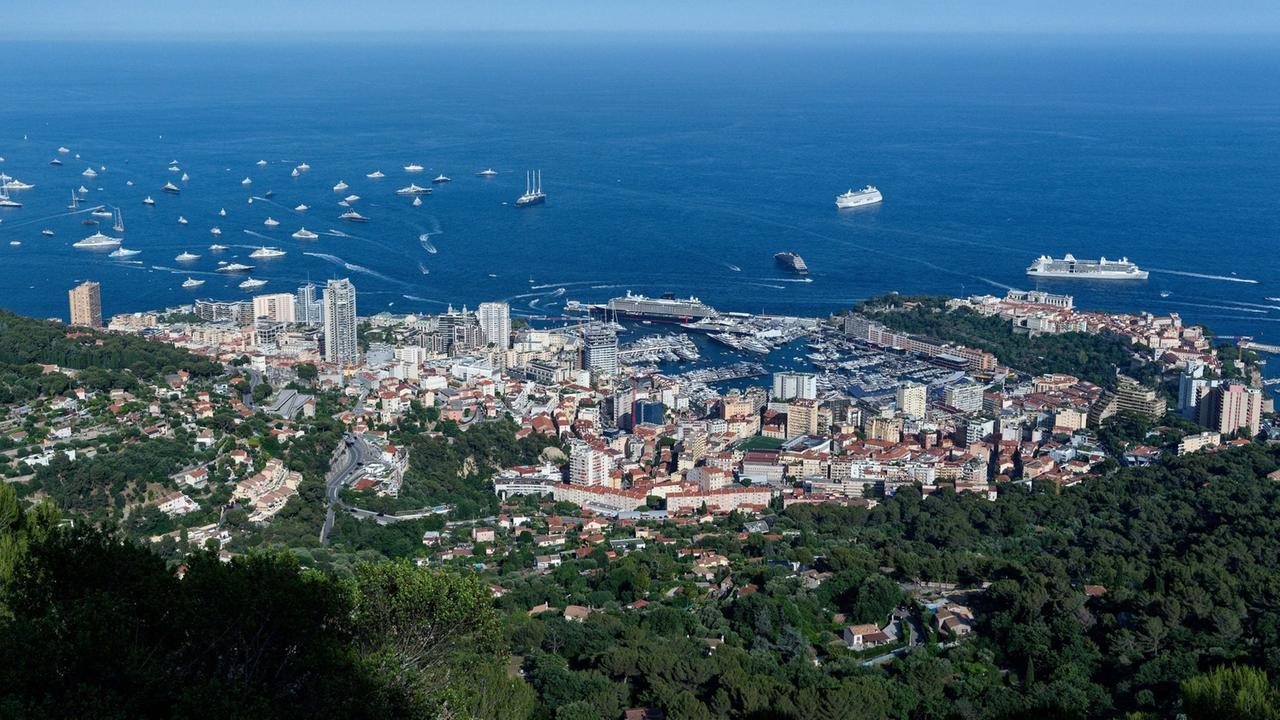
- Movement Bans: From 8:00 AM to midnight on match day, specific areas of the Principality—including the Fontvieille shopping center, the marina, and several surrounding quays—are strictly off-limits to anyone identified as a Freiburg fan.
- The "Neutrality" Requirement: Fans are effectively forced into "civilian" status. It is strictly prohibited to display any items in the club’s colors in public spaces, including scarves, jerseys, badges, or flags.
- Alcohol Prohibition: A total ban on the sale and consumption of alcohol for visiting fans will be enforced within the state territory between 14:30 and 19:15.
- Stadia Access: Access to the Stade Louis II is strictly regulated. Fans are prohibited from arriving via the local train station. Instead, a mandatory shuttle service has been organized, with buses subject to strict security protocols.
These measures extend beyond the borders of Monaco. In the neighboring French city of Nice and the wider Alpes-Maritimes department, similar stay-away orders have been enacted, creating a "no-go zone" for fans wearing club colors across a vast stretch of the French Riviera.
Chronology of the Conflict
The situation escalated rapidly in the days leading up to the fixture.
- Initial Ministerial Decrees: Early in the week, the authorities in Monaco announced the prohibitive measures, citing security concerns and historical data regarding the behavior of away fans.
- The Legal Challenge: Recognizing the severity of these restrictions, SC Freiburg took the rare step of filing for an emergency injunction against the ministerial decrees. The club, supported by Football Supporters Europe (FSE), argued that the measures were disproportionate and infringed upon the rights of the traveling supporters.
- The Mid-Week Update: On Wednesday evening, following high-level security meetings at the stadium, the club announced a minor victory. They secured a "fan-friendly" adjustment that allows supporters who are already in Monaco to move in small, individual groups on foot to the stadium, provided they adhere to the "no-colors" rule.
- Final Pre-Match Preparations: As of Wednesday night, the club continues to communicate with fans via social media, providing real-time updates on how to navigate the logistical maze of the city while avoiding police confrontation.
The Rationale: Why These Measures?
The authorities in Monaco have been uncharacteristically blunt in their justification for these restrictions. According to official statements, the decision is rooted in the belief that SC Freiburg fans are "known for traveling in large numbers and frequently causing disturbances to public order."
Furthermore, local officials have explicitly pointed to the alleged prevalence of excessive alcohol consumption among the visiting German fanbase. The decrees reference specific incidents from previous away matches in France, most notably a Europa League fixture in Nice last November, where similar tensions arose.
By framing the fans as a security threat rather than as sports enthusiasts, the authorities have justified the use of what many legal observers describe as a "pre-emptive" security strategy—a method that treats the entire traveling contingent as a collective security risk, regardless of individual behavior.
Official Responses and Diplomatic Friction
SC Freiburg has made its position clear: the club stands firmly behind its fans and has expressed "significant concerns" to AS Monaco, the local authorities, and UEFA. The decision to pursue an injunction on Tuesday was a symbolic and practical stand against what the club views as an infringement on the spirit of the game.
The Stance of Football Supporters Europe (FSE)
The involvement of FSE, an independent, democratic, representative organization for football fans, adds weight to the club’s position. Their formal support for the legal proceedings highlights the growing concern that away-day restrictions are becoming a standardized, "lazy" response by police forces across Europe. Instead of managing specific risks, authorities are increasingly resorting to blanket bans that strip fans of their basic right to travel and support their team.
The UEFA Dilemma
While UEFA typically encourages local authorities to provide a safe environment for all fans, it rarely interferes with the sovereignty of local ministerial decrees unless they explicitly violate tournament regulations. This leaves clubs like Freiburg in a precarious position: forced to comply with draconian local laws while attempting to maintain the dignity and safety of their supporters.
Implications: The Future of the "Away Day"
The case of SC Freiburg in Monaco is a microcosm of a larger, systemic problem in European football. As domestic and international authorities face increasing pressure to maintain public order, the "away day" experience is becoming increasingly sanitized and restricted.
1. The Erosion of Fan Culture
The forced neutrality—the requirement to hide one’s colors—is perhaps the most damaging aspect of these restrictions. Football culture is built on the expression of identity. By effectively criminalizing the wearing of a team scarf or jersey, the authorities are not just managing security; they are suppressing the cultural identity of the supporters.
2. The Precedent of "Collective Punishment"
There is a growing fear among fan groups that if the measures in Monaco are successful in preventing violence, they will become the blueprint for future European fixtures. This creates a "slippery slope" where clubs and local police prioritize administrative convenience over the fan experience.
3. Logistical Nightmares
The requirement for the club to provide license plate numbers of all fan buses, the coordination with the Sûreté Publique (Monegasque police), and the restriction of arrival routes suggest a level of surveillance that is unprecedented for a standard group-stage match. This level of oversight places an immense burden on the club’s fan-liaison officers, who must act as intermediaries between their supporters and an increasingly hostile security apparatus.
Conclusion: A Call for Balance
As the match approaches, the focus remains divided between the tactical preparations on the pitch and the logistical struggles on the streets. For the 850 fans making the trip, the evening will be one of caution. The "besonnen" (prudent/measured) behavior requested by the club is not just a plea for safety; it is a necessity for survival in an environment that has been engineered to view them with suspicion.
While the primary goal of the security forces is undoubtedly the prevention of disorder, the measures taken in Monaco serve as a sobering reminder of how far the pendulum has swung away from the "celebration of football." The challenge for UEFA and the wider footballing community will be to find a middle ground—one that ensures public safety without stripping the game of the very passion that makes it a global spectacle.
For the SC Freiburg faithful, Thursday night will not just be about the result on the scoreboard. It will be a test of resilience, as they attempt to support their team under the watchful, restrictive eyes of a state that has made it abundantly clear they are not welcome.






