


Klingenthal, Germany – October 24, 2026. The iconic Vogtland Arena, usually a fortress of German winter sports dominance, bore witness to a challenging afternoon for the host nation’s ski jumpers. As the Summer Grand Prix series reached its penultimate stage, the German women’s squad struggled to make an impact on the podium, finishing outside the top ten in a field dominated by an emerging Norwegian talent.
For the local spectators who gathered in the crisp autumn air, the day was one of mixed emotions. While the atmosphere was vibrant, the performance of the home favorites served as a stark reminder of the technical hurdles still to be cleared ahead of the upcoming winter season.
Main Facts: A Day of Missed Opportunities
The standout performer on the day was Norway’s Ingvild Synnoeve Midtskogen, who dominated the competition with two authoritative jumps of 142.5 and 133.5 meters. Her victory was decisive, signaling a significant shift in the competitive landscape of women’s ski jumping as the off-season draws to a close.
For the German contingent, the results were sobering. Agnes Reisch emerged as the top-performing German athlete, though even she could not crack the upper echelon of the leaderboard. After a relatively modest first-round jump of 115.5 meters, Reisch managed to find her rhythm in the final, soaring to 129 meters. This late surge allowed her to climb seven positions, ultimately landing in 12th place. However, the gap to the top ten remained significant—nearly eight meters in total distance—highlighting the consistency required to compete with the likes of Midtskogen and the Slovenian challengers.
The most disappointing narrative of the afternoon involved local favorite Selina Freitag. Competing on her home turf, the 25-year-old from the SG Nickelhütte Aue struggled to translate her training form into competition distance. With two identical jumps of 115 meters, Freitag finished in 24th place, a result that she frankly admitted did not meet her own expectations.
Chronology of the Competition
The event unfolded under typical autumn conditions in Klingenthal, where wind management and in-run speed proved critical.
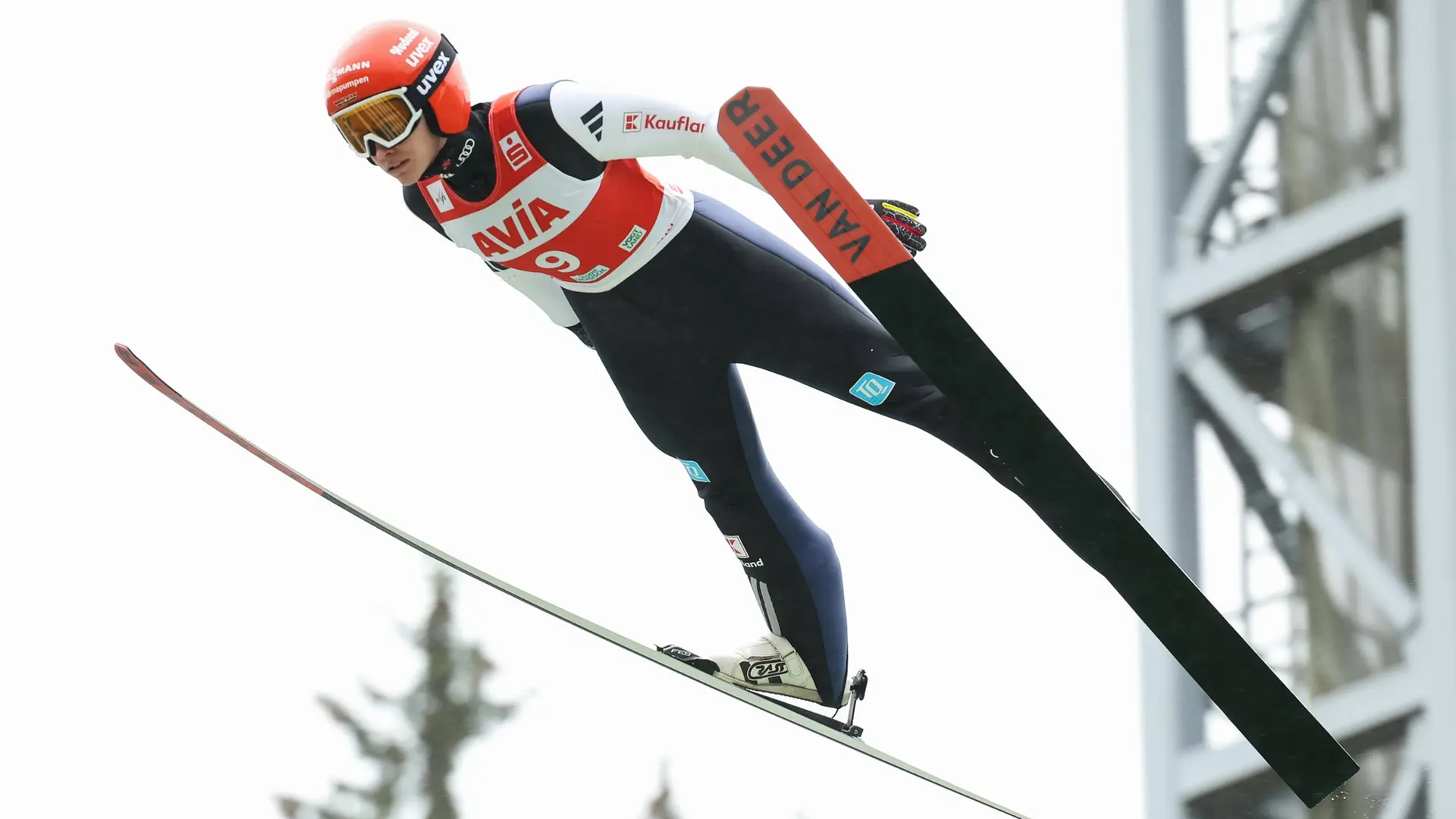
- The First Round: The opening round saw a clear separation between the podium contenders and the mid-field. Midtskogen set the tone early with a massive 142.5-meter effort, putting immense pressure on her rivals. The German team, meanwhile, struggled to find the "sweet spot" on the takeoff. Selina Freitag, buoyed by the local crowd, entered the hill with high hopes but immediately felt the technical deficiencies in her transition. Her 115-meter jump left her in a precarious position, well outside the top 20.
- The Final Round: As the sun began to dip, the conditions shifted slightly, requiring athletes to adjust their tactical approach. Agnes Reisch capitalized on the changing air currents, delivering a strong 129-meter jump. It was a masterclass in recovery, showing the resilience needed in professional ski jumping. However, the leaders remained untouchable. Nika Prevc of Slovenia maintained her consistency with jumps of 131.5 and 131 meters, securing the silver medal, while Eirin Maria Kvandal completed the podium for Norway.
- The Conclusion: The event wrapped up with the final jumps of the day, leaving the German squad with much to analyze. While the result was not the desired homecoming victory, the data collected from these jumps will serve as a vital diagnostic tool for the coaching staff in the coming weeks.
Supporting Data and Technical Analysis
To understand why the German team faced such a significant deficit, one must look at the technical requirements of the Vogtland Arena. The hill in Klingenthal is known for its high-speed in-run and a technical transition that rewards precise timing.
Distance Comparison:
- Winner (Midtskogen): 142.5m / 133.5m
- Runner-up (Prevc): 131.5m / 131.0m
- Top German (Reisch): 115.5m / 129.0m
- Local Favorite (Freitag): 115.0m / 115.0m
The data reveals a "consistency gap." While Reisch demonstrated that she has the capacity for long-distance flight (129m in the second round), the lack of stability across two rounds prevented a higher finish. Selina Freitag’s performance, characterized by two identical, lower-range jumps, suggests a technical issue in her flight path rather than a lack of power. Her own post-jump analysis was succinct: "I simply jumped too poorly." This suggests that the issue is likely a mechanical error in the flight phase or an imbalance at the takeoff, rather than a lack of physical preparation.
Official Responses and Internal Analysis
The mood in the German camp was professional, albeit frustrated. The coaching staff emphasized that the Summer Grand Prix is fundamentally a laboratory for testing equipment and flight mechanics.
"We are in a phase of transition," a team spokesperson noted. "While we would always prefer a podium finish at home, our primary goal is to ensure that the technical adjustments we’ve made over the summer translate to the winter season. Today’s performance by Selina and Agnes provides us with a clear picture of what needs to be tuned before the World Cup season commences."
Selina Freitag, speaking to the media shortly after the event, took personal responsibility for the result. "The conditions were fair, and the hill was in great shape. The mistake was mine. I didn’t find the necessary rhythm in the first round, and I couldn’t recover that timing in the second. It’s frustrating to have a bad day here, but that is part of the sport. We move on to the next one."

Implications: The Road to Winter
The Klingenthal event acts as a bridge between the summer training circuit and the high-stakes winter season. With the conclusion of the individual competitions, the focus shifts to the upcoming Mixed-Team event on Sunday.
The Men’s Status
While the women’s competition has concluded, the men continue their battle for the final day-win of the summer. The overall title has already been claimed by Japan’s Naoki Nakamura, whose dominance throughout the summer series has been a highlight of the season. The men’s competition serves as a reminder of the global nature of the sport and the level of competition that German athletes will face throughout the winter.
Strategic Outlook
The German team now faces a critical decision: should they maintain their current technical setup, or is a radical change in their approach required?
- Technical Calibration: The coaching staff must decide if the issues experienced by Freitag are isolated incidents or symptomatic of a broader equipment issue.
- Mental Preparation: Competing at home brings unique pressure. The team will likely implement sports psychology sessions to ensure that the athletes can handle the expectations of the German public.
- Physical Conditioning: With the winter season rapidly approaching, the team will transition from "distance-focused" training to "explosivity-focused" training, ensuring that the athletes have the peak power required for the winter circuits.
The Mixed-Team Finale
Sunday’s Mixed-Team event at 13:20 CET represents the final opportunity for the German squad to leave a positive mark on the Klingenthal home crowd. A podium finish here would go a long way in restoring confidence before the team disperses for the final phase of winter preparation.
The sport of ski jumping is one of margins—centimeters at the takeoff translate to meters in the air. For the German women, today was a lesson in those margins. As the sun sets on the Vogtland Arena, the focus turns from today’s disappointment to tomorrow’s potential. The road to the winter season is long, and as history has shown, one poor result in the summer is rarely indicative of a winter’s trajectory. The team remains committed to their path, confident that the data gathered today will serve as the foundation for a much stronger performance when the snow begins to fall.







