By International Sports Desk
The lava fields of Kona, Hawaii, are often referred to as the "hallowed ground" of endurance sports. It is a place where legends are made, and where, inevitably, the dreams of the world’s greatest triathletes are tested against the unforgiving elements of the Pacific. For three-time Ironman World Champion Patrick Lange, the 2026 edition of the Ironman World Championship ended not with the glory of a finish line sprint, but with the heartbreaking silence of a DNF (Did Not Finish) on the side of the Queen Ka’ahumanu Highway.
As the sun beat down on the grueling 180.2-kilometer bike course, the 40-year-old German icon was forced to abandon his race, his body succumbing to a debilitating muscular failure that mirrored the frustrations of his past.
The Morning Promise: A Strong Start in the Pacific
The day began with optimism. Under challenging, choppy conditions in the Pacific Ocean, the field tackled the iconic 3.86-kilometer swim. Lange, a veteran of the Kona circuit, navigated the heavy swells with the precision of a champion. Emerging from the water, the Bad Wildungen native appeared to be in a prime position. He was well within the lead pack, his transition was smooth, and his demeanor suggested that he was ready to deploy his famous tactical patience.
For a man who has stood atop the podium in 2017, 2018, and 2024, the opening act of the race was textbook. The crowd, sensing a potential fourth title for the German veteran, roared as he mounted his bicycle. However, the Kona winds—infamous for their unpredictability—would soon reveal that the physical toll on the athletes was reaching a critical threshold.
Chronology of a Collapse
The shift from hope to despair was rapid and visible. As the cyclists pushed inland toward the turn-around point in Hawi, the steady rhythm that characterizes an elite Ironman performance began to fracture for Lange.
The First Signs of Distress
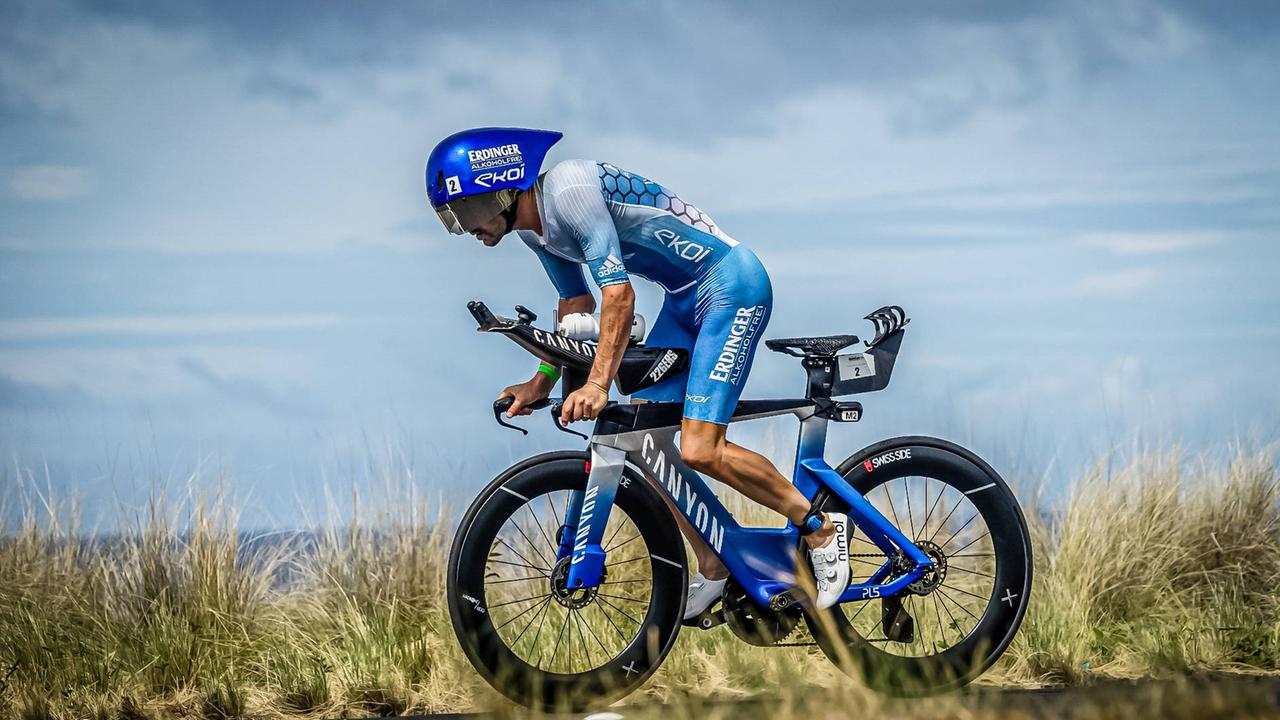
Within the first 80 kilometers—less than half of the bike leg—Lange’s pace began to drop significantly relative to the lead group. While spectators initially speculated about a tactical decision to conserve energy for the marathon, the reality was far more severe. Lange began to adjust his posture on the bike repeatedly, a clear indication of physical discomfort.
The Mid-Race Confrontation
At the side of the road, Lange made a brief, decisive contact with his coach, Benjamin Reszel. The exchange was brief but carried the weight of a season’s worth of preparation unraveling. "Es geht nicht" ("It is not working"), Lange reportedly told his coach. It was a candid admission of defeat from a man who has famously pushed through the pain barrier in dozens of previous Ironman events.
The Final Withdrawal
The decision to pull the plug was not made in haste, but it was inevitable. Despite brief attempts to continue, the agony in his lower back and left hamstring—symptoms of a systemic "cramp tendency" across his posterior chain—became insurmountable. At the Hawi turnaround, the pylon marking the return path became the final point of his journey. With his head bowed, Lange pulled off the course, signaling his official retirement from the 2026 championship.
The Anatomy of the Injury: A Recurrent Nightmare
The specific nature of Lange’s exit has raised concerns about the long-term wear and tear on his 40-year-old frame. According to his team, the physical issue was not an acute injury sustained on the day, but a recurring physiological failure that had plagued him earlier this year during a competition in Texas.
Understanding the "Posterior Chain" Failure
In endurance sports, the "posterior chain"—comprising the hamstrings, glutes, and lower back—is the engine of the athlete. When this system enters a state of persistent, high-intensity cramping, it is often a sign of electrolyte depletion or extreme muscle fatigue that cannot be reversed with simple hydration or nutrition mid-race.
For a veteran like Lange, the frustration is compounded by the knowledge that his strongest discipline, the marathon, remained untouched. To be eliminated on the bike—a discipline he has mastered over a decade of elite competition—is a bitter pill that underscores the volatility of the Kona course.
Official Perspectives and Coaching Insight
In the immediate aftermath, Coach Benjamin Reszel provided a somber analysis during a live broadcast. "In the first moment, it is incredibly brutal," Reszel noted. He confirmed that the team had been monitoring the issue since the race in Texas. "We had seen this before. We tried to manage it, but the body has its limits. When the entire posterior chain locks up, there is no way to safely continue without risking long-term damage."
Reszel emphasized the psychological weight of the moment. For an athlete who has already achieved legendary status in the sport, the decision to stop is a testament to the respect for one’s own physical integrity. "He didn’t want to stop," the coach added. "But he had nothing left to give."
The Legacy of Patrick Lange: Implications for the Future
The 2026 exit of Patrick Lange serves as a stark reminder of the "Hawaii factor." Even for the most decorated champions, Kona remains an outlier in the world of endurance sports. The combination of heat, humidity, and the unique psychological pressure of the World Championship can dismantle even the most refined training plans.
The Age Factor
At 40, Lange is part of a generation of triathletes redefining the longevity of the sport. However, his withdrawal raises questions about the future of his career. Can he recover from this? Will he return for one more attempt at glory, or is this the final chapter for one of Germany’s most successful sporting exports?
Impact on the Sport
Lange’s presence in the field has always elevated the standard of the Ironman World Championship. His tactical brilliance and ability to surge during the marathon run have defined the modern era of the sport. His absence for the remainder of the 2026 race leaves a power vacuum at the front of the pack, potentially opening the door for younger, rising stars to assert their dominance.
Reflections on a Storied Career
While this specific chapter ended in tragedy, it does not diminish the stature of Patrick Lange. From his humble beginnings in Bad Wildungen to his breakthrough victories in 2017 and 2018, and his remarkable resurgence in 2024, Lange has been a beacon of resilience.
He is an athlete who has taught the world that the Ironman is not just about physical strength; it is about the ability to endure the mental fatigue that comes with repetitive, high-impact motion. His reaction—the hands covering his face, the slow walk away from the bike, the bowed head—was a human moment that resonated deeply with fans around the globe. It was a reminder that behind the aerodynamic gear and the high-tech bikes, these athletes are subject to the same biological limitations as everyone else.
Conclusion: The Road Ahead
As the 2026 Ironman World Championship continued without him, the focus shifted to the remaining competitors. However, the image of Patrick Lange standing by the side of the road in Hawi will likely remain the defining, albeit painful, image of the race.
Whether he chooses to hang up his competitive jersey or mount a comeback for a final, triumphant swan song remains to be seen. What is certain is that Patrick Lange remains one of the most significant figures in the history of the sport. For now, the focus is on recovery and reflection. In the world of the Ironman, even the most bitter of defeats provides the foundation for the next chapter of a legendary career. The lava fields of Kona have seen him rise, and they have seen him fall; but in the endurance community, his story is far from finished.