By: Editorial Staff (Based on reporting by Katalin Vales, MDR SACHSEN)
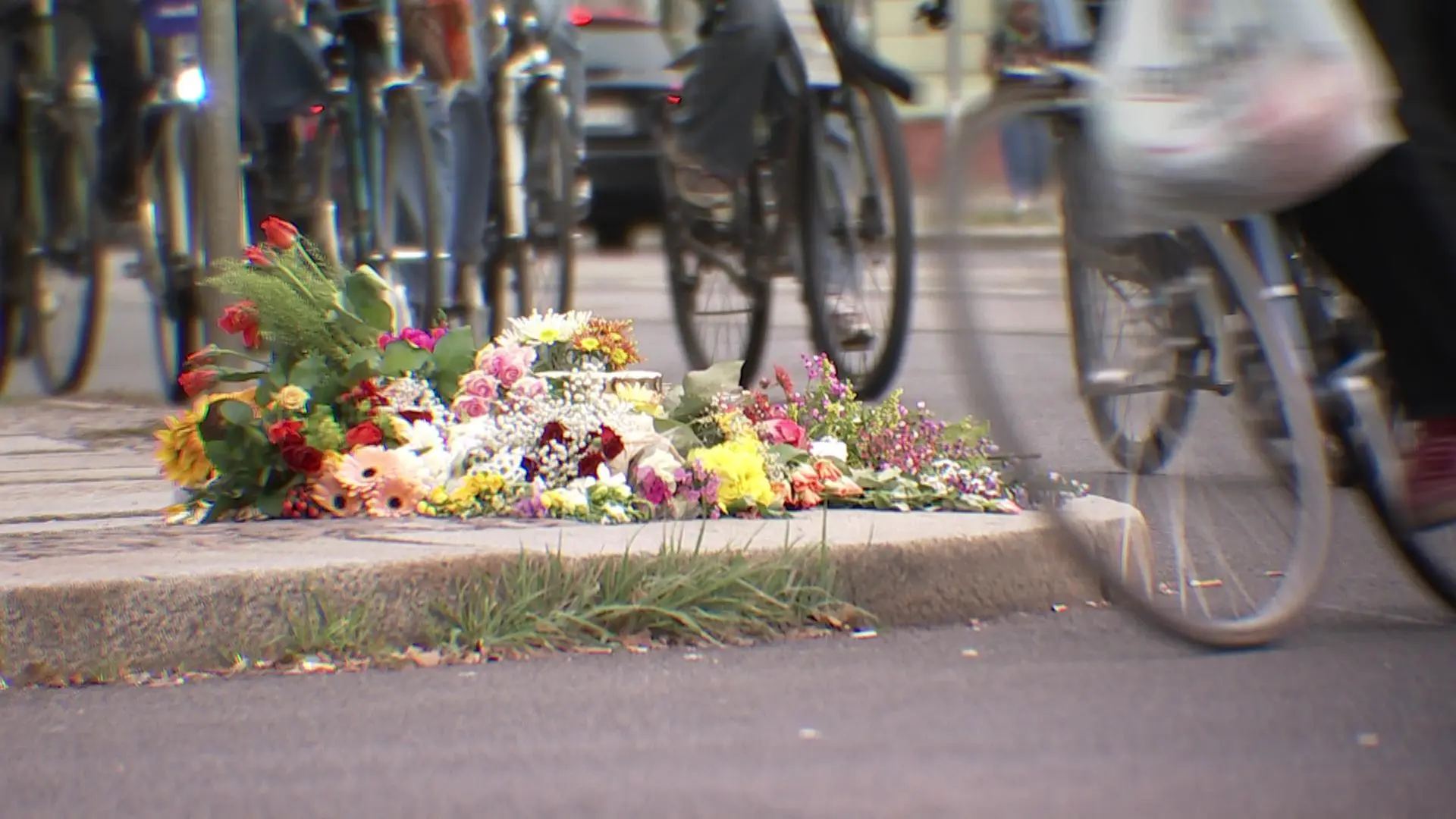
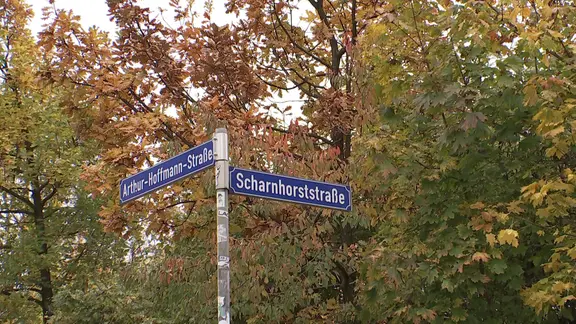
Leipzig, Germany – The intersection of Arthur-Hoffmann-Straße and Scharnhorststraße has become a somber focal point of civic grief. Two days after a tragic collision claimed the life of a 20-year-old cyclist, the pavement is covered with a carpet of white, yellow, and soft pink flowers. Weck jars containing flickering candles cast long, melancholy shadows against the backdrop of a busy urban thoroughfare. Passersby frequently stop, their faces etched with disbelief, as the rhythmic, blurred motion of passing bicycles underscores the fragility of life in a city struggling to accommodate a rapidly changing transport landscape.
The victim, a young woman whose life was cut short by a collision with a heavy goods vehicle (HGV), has become a symbol for a much larger, brewing crisis in Leipzig: the desperate need for a fundamental overhaul of urban cycling infrastructure. As the local community mourns, the city is grappling with difficult questions regarding road design, shared responsibility, and the efficacy of planned safety measures.
The Tragedy: A Snapshot of Urban Peril
On Wednesday, the intersection, located in Leipzig’s densely populated Südvorstadt district, transformed from an ordinary junction into the scene of a fatal accident. While the precise mechanics of the collision remain under investigation by the Leipzig police, the tragedy has served as a catalyst for widespread public outcry.
For many in the neighborhood, the death of a young woman who was likely navigating her daily commute or traveling to visit a friend is a visceral reminder of the inherent dangers facing cyclists. Residents, activists, and commuters have taken to social media and public forums to voice their frustration, describing the current infrastructure as a "death trap" for those who choose two wheels over four.
Chronology of Concern and Unrest
The tragedy is not an isolated incident. Although police officials have stated that the specific intersection of Arthur-Hoffmann-Straße and Scharnhorststraße is not officially classified as a “high-risk accident hotspot,” the data suggests a trend of mounting danger. According to police spokesperson Paul Engelmann, four accidents involving cyclists have been registered at this specific junction since the beginning of 2021. This tally includes one light injury, one serious injury, and now, the tragic loss of a young life.
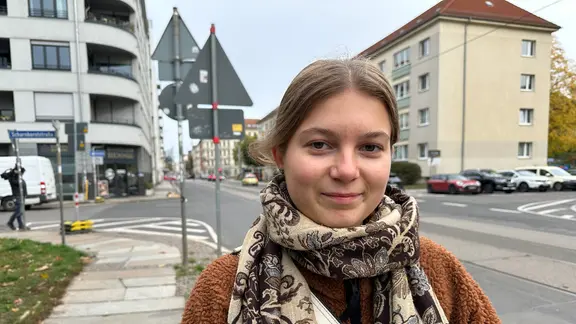
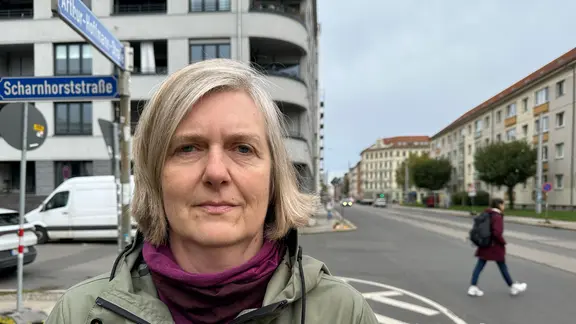
The ripple effects of this incident have been profound. Anne Schumann, chair of the ADFC (Allgemeiner Deutscher Fahrrad-Club) in Leipzig, noted that the level of shock within the city is palpable. "People are realizing that they could have been the ones involved," she stated, emphasizing that for many, the safety of the city’s streets is no longer a theoretical debate but a matter of daily survival.
Supporting Data: The Reality of Cycling in Leipzig
To understand the gravity of the situation, one must look at the broader statistical context. In 2025 alone, the Leipzig police recorded a staggering 1,339 traffic accidents involving cyclists. The most frequent causes, according to official reports, remain the same: failure to respect the right of way, and dangerous errors during right or left-hand turns by motor vehicles. Since 2021, the simple failure to observe priority rules has been the primary cause in more than 1,100 of these accidents.
Currently, the city of Leipzig identifies 175 "accident-prone locations" across its urban footprint, with 80 of these sites specifically identified as hazardous for cyclists. This data paints a grim picture of a city where the infrastructure has failed to keep pace with the surge in bicycle usage. Michael Jana, head of the city’s Mobility and Civil Engineering Office, acknowledged that cycling in Leipzig has doubled over the last 20 years, yet the number of accidents involving cyclists has remained stubbornly high. This decoupling of growth in ridership and improvement in safety suggests a critical deficit in urban planning.
The Infrastructure Gap: A Legacy of "Mixed Traffic"
The core of the criticism leveled against the city is the reliance on "mixed traffic" zones. On Arthur-Hoffmann-Straße, cyclists are forced to navigate between parked cars, tram tracks, and heavy vehicle traffic—often at speeds of up to 50 km/h.
"The accident at this location would have been preventable had there been secure cycling infrastructure," argued ADFC chair Anne Schumann. For daily commuters, such as 21-year-old medical student Luca Macheel, this is a daily reality. Macheel, who traverses this street multiple times a week, describes the constant tension of riding alongside moving metal. "Between the parked cars and the tram tracks, there is so little space," she explains. "You are constantly wondering if a car door is about to swing open, or if a vehicle is about to cut you off."
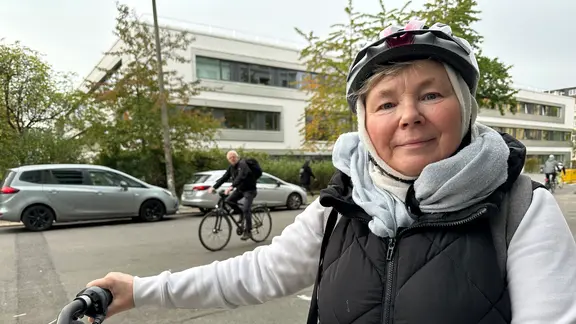
The sentiment is echoed by others, including 62-year-old housekeeper Maargit Hunting. Hunting, who cycles through Leipzig daily, notes that the burden of safety is currently placed squarely on the shoulders of the individual cyclist. "The level of personal responsibility required is incredibly high," she says, adding that she often chooses to dismount and push her bike at larger, more complex intersections just to ensure she can see oncoming traffic. Her decision to start wearing a helmet a year ago was, she admits, a direct response to the increasing danger she feels on the road.
Official Responses and Planned Remedies
In response to the growing pressure, the city of Leipzig has been forced to defend its long-term planning while promising accelerated action. Michael Jana, the head of the Mobility and Civil Engineering Office, stated that the Arthur-Hoffmann-Straße has been on the city’s radar for some time, primarily due to the poor condition of the road surface and the recognized lack of dedicated cycling facilities.
"In the coming year, we are scheduled to mark out dedicated cycling lanes," Jana announced. "The plan is to create continuous cycling tracks that will provide a safer, delineated space for those on bikes."
Furthermore, the city has begun the process of making sidewalks more accessible and barrier-free. A significant safety intervention is also slated for 2027: a "sidewalk crossing" at Scharnhorststraße designed to physically force turning vehicles to slow down, thereby reducing the speed at which a vehicle can enter the intersection and lowering the risk of a high-impact collision.

However, these promises have been met with skepticism. Critics argue that planning for 2026 or 2027 is of little comfort to those mourning the loss of a life today. While the city maintains that these plans were set in motion before the fatal accident, the tragedy has served to catalyze the urgency behind their execution. Yet, as Jana points out, the police investigation into the specific cause of the recent accident is still in its infancy, and any further legislative or infrastructural changes will depend on the findings of that investigation.
Implications: A City at a Crossroads
The tragedy in the Südvorstadt district has brought Leipzig to a critical juncture. The city is currently caught between a desire to become a modern, cycle-friendly urban center and the legacy of a road network designed primarily for the automobile.
The implications of this debate extend far beyond one intersection. It raises the fundamental question of urban equity: How much space are we willing to take away from motor vehicles to ensure the safety of our most vulnerable road users? For the cycling community, the answer is clear. They argue that "safety" cannot be a deferred project. It requires immediate, radical changes to street design, including the removal of parking spaces where they impede visibility, the installation of protected intersections, and a move away from the dangerous "mixed traffic" model.
As the city authorities look toward the future, the flowers and candles at the corner of Arthur-Hoffmann-Straße serve as a stark, silent protest. The residents of Leipzig are no longer satisfied with promises of future infrastructure; they are demanding a city where a simple trip on a bicycle does not carry the risk of a fatal encounter. The death of this young cyclist has not only left a void in the hearts of those who knew her but has also ignited a fire of civic engagement that will likely define the city’s transport policy for years to come.
In the coming weeks, as the investigation proceeds and the city council faces mounting pressure to expedite its plans, the citizens of Leipzig will be watching closely. For the sake of the next generation of cyclists, they are hoping that this tragedy will be the final, painful lesson needed to force a shift toward a safer, more inclusive urban future.