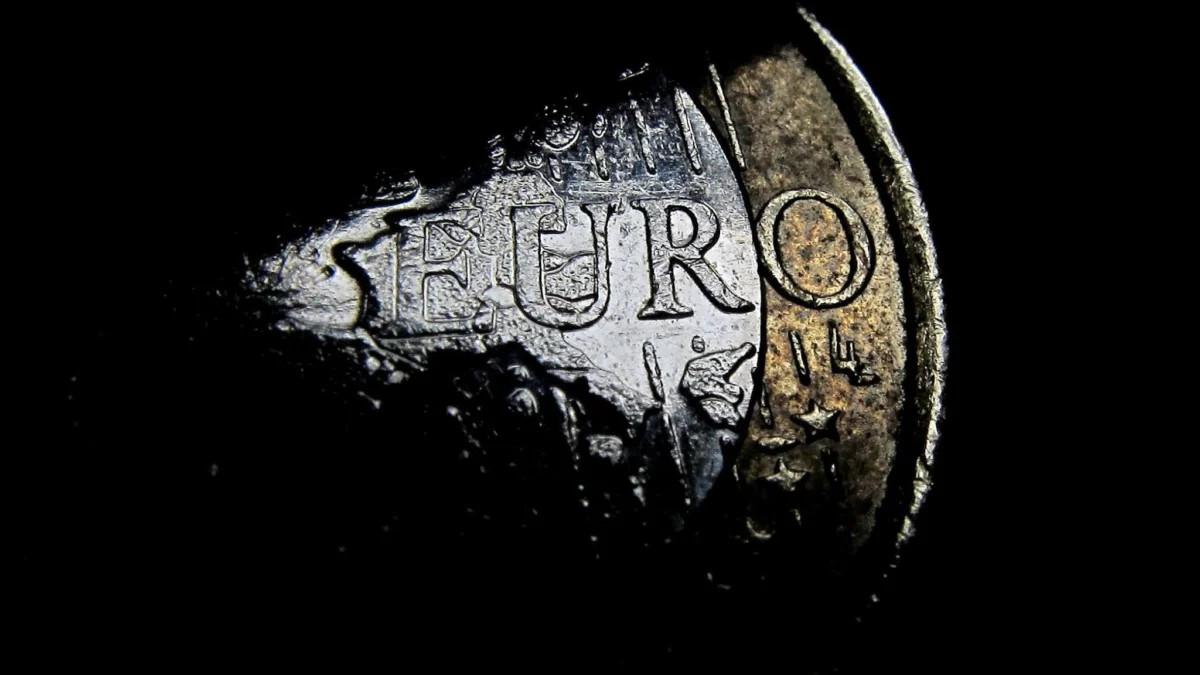
As the Euro celebrates over two decades of existence, the European Central Bank (ECB) has launched a massive public initiative to reimagine the visual identity of the continent’s shared currency. With the deadline for public participation fast approaching, the project signals a pivotal shift in how the EU perceives its collective identity.
The Countdown to a New Identity
For over 22 years, the aesthetic of the Euro has remained largely static, defined by the "Ages and Styles" motif—a collection of generic bridges, windows, and gateways designed to represent architectural evolution without favoring any single member nation. Now, as the currency approaches its quarter-century mark, the European Central Bank (ECB) has determined that it is time for a refresh.
Until Monday, September 21, 2026, the citizens of the Eurozone have a rare, democratic opportunity to influence the design of the banknotes that pass through their hands daily. The ECB has curated ten distinct design concepts, ranging from abstract geometric patterns to intricate, nature-inspired illustrations and portraits of historical European figures. This survey represents one of the largest public engagement exercises in the history of the Euro, aiming to ensure that the currency remains a symbol of unity that resonates with a modern generation.
The Core Themes: Nature and Human Achievement
When ECB President Christine Lagarde introduced the design process back in July, she emphasized that the proposals were not merely about aesthetics, but about storytelling. The submissions fall into two overarching thematic pillars:
1. The Natural World
The first theme focuses on the environment, featuring European rivers, flora, and fauna. The rationale behind this, as explained by the ECB, is that nature recognizes no borders. By depicting species like kingfishers or white storks, the designers aim to represent the ecological continuity of the continent. For many, this represents a forward-looking, sustainable vision of Europe—a continent united by its geography and biodiversity rather than its political borders.
2. European Culture and History
The second theme leans heavily into the continent’s rich cultural heritage. These designs feature influential figures who have shaped European history, science, and the arts. Proposed designs include the scientist Marie Curie on the €20 note and the legendary composer Ludwig van Beethoven on the €10 note. The inclusion of figures like opera singer Maria Callas highlights a desire to make the currency a "cultural wallet," bringing history to life for younger generations.
Public Sentiment: A Divided Continent
The response from the public has been as varied as the designs themselves. According to Nils Gerhardt, a senior expert on banknotes at the ECB, approximately nine million people have participated in the survey so far. While this represents a small fraction of the 359 million people living in the Eurozone, it is a record-breaking figure for this type of institutional consultation.
The Case for "Heads"
In the streets of Frankfurt, opinions are starkly divided. Many citizens, particularly older generations who remember the transition from national currencies like the D-Mark, express a strong preference for portraits. For them, having human faces on currency provides a sense of continuity and familiarity. "I think it is important that we bring such personalities closer to our youth," says Cem Kabakci, a local tram driver. "It gives the money a face and a story."
The Case for Nature
Conversely, others argue that cultural figures inevitably carry national baggage. By selecting a famous Italian, German, or French individual, critics fear the ECB could inadvertently trigger debates about regional favoritism. This is why the "Nature" designs have found a strong following among younger demographics and those who prioritize cross-border unity. Henry Knauber, a 30-year-old deep-sea biologist, supports the nature motif. "I find the proposals with the birds and rivers better because these species truly exist across all European borders," he notes.
Navigating the "Neutrality" Trap
The original Euro designs—the windows, doors, and bridges—were intentionally fictional. They were designed by Robert Kalina to ensure that no specific monument from any member state was glorified over another. The challenge for the ECB in this new era is how to move toward portraits without abandoning that carefully cultivated neutrality.
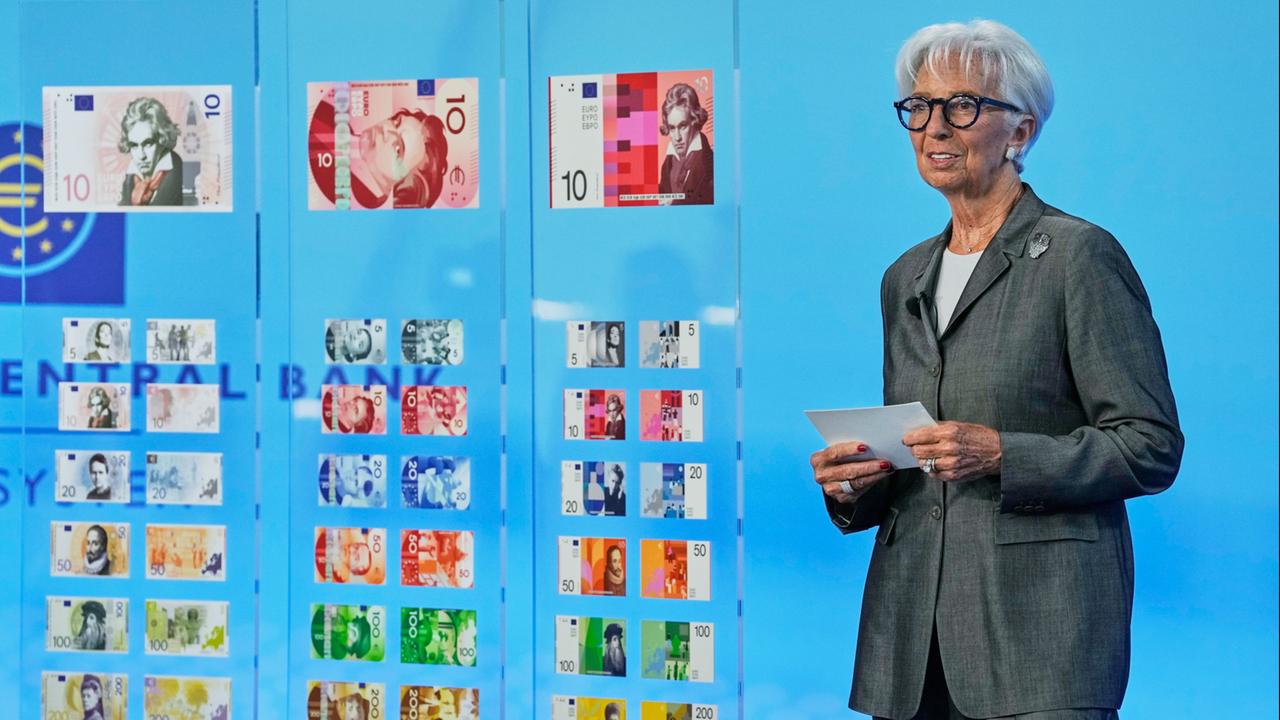
Banknote expert Nils Gerhardt argues that the choice of figures is calculated to mitigate nationalistic sentiment. "Leonardo da Vinci was born in Italy, but his influence is universal," Gerhardt explains. "Similarly, Marie Curie is a symbol of European scientific progress that transcends her Polish origins." By selecting figures whose impact was felt continent-wide, the ECB hopes to maintain the delicate balance of a transnational identity.
Technical Innovation: The Shift to Verticality
Beyond the imagery, the ECB is experimenting with the fundamental format of the banknotes. Several of the proposed designs include vertical orientations—a departure from the traditional horizontal landscape of currency.
This change has been met with skepticism by some, including long-time users who feel that the horizontal format is essential to the "feel" of money. Lela Kokir, a 48-year-old office worker, expressed doubt: "I don’t think something that has been around for so long should suddenly be turned upright."
However, from a security and utility standpoint, the redesign is an imperative. Modern currency requires state-of-the-art anti-counterfeiting measures. The new notes will incorporate advanced tactile features, holographic elements, and improved durability. The ECB has confirmed that while the imagery will change, the color-coding and sizing—where the €10 remains red and the €20 remains blue—will stay consistent to ensure a seamless transition for the visually impaired and the general public.
Chronology of the Process
- July 2026: The ECB officially launches the design consultation phase, unveiling the ten potential themes to the public.
- July – September 2026: A massive public survey is conducted across all 20 Eurozone member states.
- September 21, 2026: The official deadline for public voting via the ECB’s online portal.
- Late 2026: The Governing Council of the ECB will review the survey results and technical feasibility studies to select the final theme.
- 2027 and beyond: The design phase enters a long-term development stage. The ECB has explicitly stated that it will take several years before the new notes enter circulation.
Implications: A Currency for the Future
The implications of this redesign extend far beyond the paper in our wallets. In an era where digital currencies and cashless transactions are on the rise, the physical Euro is becoming more than a tool for exchange; it is a symbol of the European project itself.
The Economic Context
The current notes, issued in 2002, have served the continent well, but the technological landscape of the 21st century demands an upgrade. The introduction of new notes is also a defensive measure against sophisticated counterfeiters. By forcing a redesign, the ECB effectively resets the security baseline for the entire currency area.
The Political Message
By inviting the public to participate in the design process, the ECB is attempting to foster a greater sense of "European ownership." In a time of political polarization, the act of choosing the images on a bank note is a subtle but powerful exercise in shared identity-building. It invites every citizen to consider what they value most about their continent—is it the history of our great thinkers, or the beauty of our shared environment?
As the deadline approaches, the final decision will rest with the Governing Council of the ECB. They must balance public preference with political, technical, and security requirements. Regardless of the outcome, the process has already succeeded in one major goal: it has sparked a continent-wide conversation about who we are, where we come from, and what we want to project to the world.
Conclusion
Whether the future of the Euro features the sharp gaze of a historical polymath or the soaring flight of a native bird, one thing is certain: the new notes will represent a transition. They will bridge the gap between the foundational era of the Euro and a future that is more digital, more sustainable, and increasingly focused on a unified European identity. For now, the decision is in the hands of the citizens—a rare moment where the power of the purse is literally in the hands of the people.