In a landmark move to address the escalating global crisis of childhood obesity, the World Health Organization (WHO) has unveiled comprehensive new guidelines prioritizing holistic behavioral interventions over pharmacological and surgical solutions. The directive marks a significant ideological divide between international public health authorities and the increasingly medicalized approach currently trending in countries like the United States.
The Core Mandate: A Shift Back to Basics
The World Health Organization (WHO) has officially released its latest set of global guidelines aimed at curbing the alarming rise of obesity among children and adolescents. With millions of young lives impacted by the health complications associated with excessive weight, the organization is doubling down on a message that has been sidelined by the recent "miracle drug" narrative: long-term, sustainable health cannot be achieved through a syringe or a scalpel alone.
In a direct response to the global obsession with weight-loss medications—such as GLP-1 agonists—the WHO has issued a stern recommendation: these interventions should not be the first line of defense for pediatric patients. For children under the age of ten, the organization advocates for a complete rejection of both pharmaceutical weight-loss agents and bariatric surgical procedures, citing the lack of long-term data on developmental impacts and the fundamental need for lifestyle-based support.
A Growing Global Crisis: The Data
The urgency behind these new guidelines is rooted in staggering statistics. According to recent WHO data, approximately 170 million children and adolescents worldwide are currently living with obesity. The trajectory is even more concerning when viewed over the last three decades: in the cohort of five-to-19-year-olds, the prevalence of obesity has quadrupled since 1990, jumping from two percent to eight percent of the total population in that age bracket.
This surge is not merely a cosmetic concern; it is a public health emergency. Pediatric obesity is a primary driver for the early onset of type 2 diabetes, cardiovascular disease, non-alcoholic fatty liver disease, and significant psychological distress. By establishing these guidelines, the WHO aims to standardize how medical professionals address these conditions before they progress into chronic, lifelong illnesses.
Chronology of the Obesity Epidemic
To understand the necessity of these guidelines, one must look at the rapid evolution of the obesity crisis:
- 1990-2000: The initial global awareness of rising pediatric BMI levels began to surface as ultra-processed food availability expanded into emerging markets.
- 2010: Public health initiatives focused on "sugar taxes" and school lunch reform became the standard, though implementation varied wildly by region.
- 2020-2023: The emergence of highly effective weight-loss injections (originally for adult diabetes) created a massive cultural and medical paradigm shift. Social media trends and off-label usage began to permeate the adolescent demographic, particularly in North America.
- 2024-2025: Increasing pressure on pediatricians to prescribe these medications led to a global debate regarding safety, ethics, and the "medicalization" of childhood weight.
- October 2026: The WHO issues its comprehensive, integrated management guidelines, effectively drawing a "red line" against the widespread, early-age use of pharmaceutical weight-loss interventions.
The Medical Tightrope: Drugs and Surgery as a Last Resort
The WHO’s new guidelines are not an absolute ban for all minors, but rather a framework for extreme restraint. For adolescents between the ages of 10 and 19, the organization permits the consideration of medication only after rigorous, evidence-based behavioral therapies and structured nutritional programs have been exhausted without success.
Similarly, surgical interventions—such as gastric bypass or sleeve gastrectomy—are reserved strictly for cases of severe obesity where immediate, life-threatening complications exist. Even then, these surgeries are framed as a last-resort measure that requires extensive psychological and physical monitoring.
"The foundation of obesity therapy for children and adolescents is not medication or surgery," stated WHO expert Luz María De Regil. "It is about comprehensive support that enables healthy nutrition, physical activity, and sustainable behavioral change."
The "Family-First" Philosophy
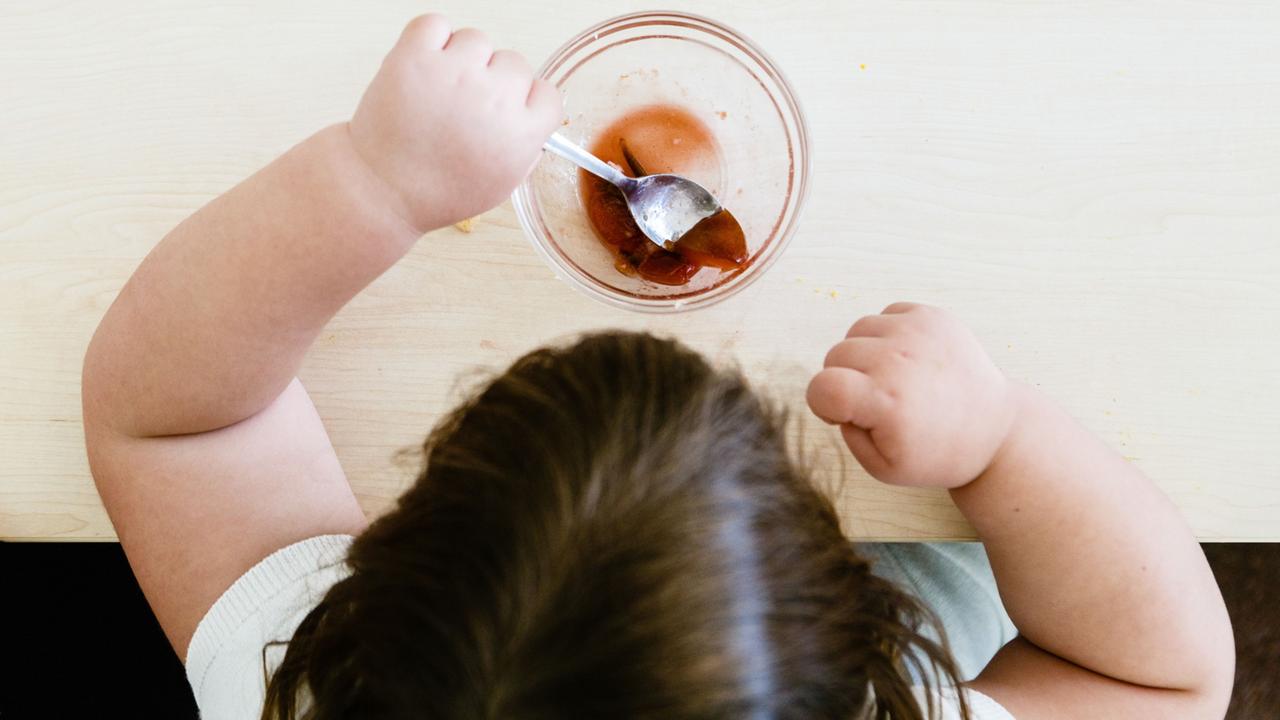
One of the most critical components of the WHO’s directive is the emphasis on the family unit. The organization argues that obesity is rarely a child-specific problem but rather a systemic one rooted in the home environment.
"It is absolutely necessary to involve the entire family in the treatment," De Regil emphasized. This approach acknowledges that a child’s dietary habits are inextricably linked to the food available in their home, the time parents have to prepare meals, and the cultural attitudes toward exercise and nutrition held by caregivers. By shifting the focus away from the individual child as a "patient to be fixed" and toward the family as a "system to be supported," the WHO hopes to reduce the stigma often associated with pediatric weight issues.
The Transatlantic Divide
The WHO’s stance places it in direct opposition to the current medical climate in the United States, where the "Abnehmspritzen" (weight-loss injection) boom has become a pervasive, and some argue, dangerous trend among teenagers.
In the U.S., the medical community has shown a greater willingness to utilize pharmacotherapy earlier in the treatment cycle. Critics of this approach argue that by prioritizing drugs, the medical system is ignoring the root causes of obesity, such as food deserts, the high cost of fresh produce, and the lack of safe spaces for physical activity. The WHO’s new guidelines serve as a cooling mechanism, urging nations to consider the long-term biological risks of altering a child’s metabolic processes during their critical growth and development years.
In contrast, the medical consensus in Germany and much of Europe has largely aligned with the WHO’s more cautious approach. European health authorities have historically prioritized socialized support systems, such as subsidized physical therapy and nutritional counseling, over the immediate prescription of pharmaceutical solutions.
Implications for Future Policy
The publication of these guidelines will likely trigger a series of policy shifts worldwide:
- Insurance Reform: Health insurance providers may tighten the criteria for covering weight-loss injections, requiring proof of failed behavioral interventions before authorization.
- School-Based Health Programs: Nations are expected to integrate the WHO’s recommendations into school health curricula, emphasizing the "family-first" model.
- Marketing Regulations: The WHO’s stance will likely embolden advocates calling for stricter regulations on the marketing of ultra-processed, high-sugar foods to minors, viewing this as a necessary prerequisite to medical intervention.
- Training for Pediatricians: Medical schools and professional associations will need to update their training to ensure that practitioners are equipped to handle the complexities of family-based behavioral therapy, rather than relying on a prescription pad.
Conclusion: A Call for Sustainable Health
The WHO’s intervention is a timely reminder that there is no "quick fix" for a systemic public health crisis. By prioritizing behavioral modification and family-centric care, the organization is advocating for a path that respects the biological development of the child. While weight-loss drugs and surgeries offer a modern solution for a modern problem, the WHO’s message remains clear: the true battle against obesity is fought in the kitchen, on the playground, and within the fabric of family life, not just in the pharmacy.
As nations move to adopt or adapt these guidelines, the global community faces a choice: continue the trend of medicalizing the childhood experience, or invest in the harder, more labor-intensive work of fostering healthy environments for the next generation. The future of global pediatric health depends on that decision.