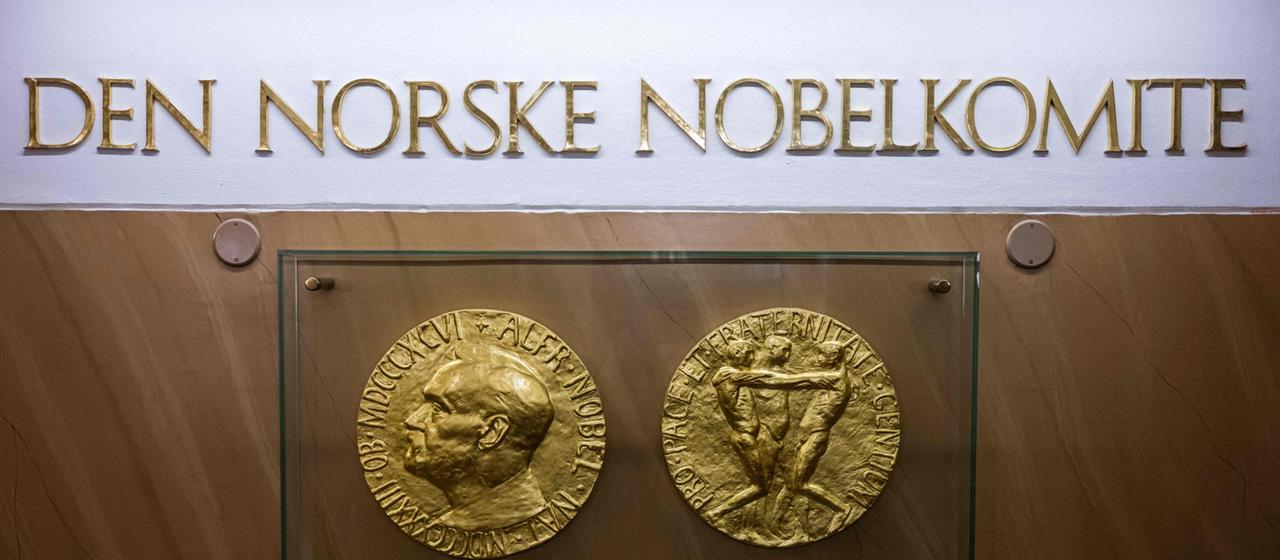
Oslo, Norway – October 9, 2026 – The eyes of the world turn to Oslo this morning as the Norwegian Nobel Committee prepares to announce the recipient of the coveted Nobel Peace Prize. At precisely 11:00 AM local time, the identity of this year’s laureate – or laureates – will be revealed, concluding weeks of intense speculation and global anticipation. The announcement arrives amidst a backdrop of renewed scrutiny, largely fueled by the controversial aftermath of last year’s award, which saw the prize’s symbolic integrity questioned.
The Norwegian Nobel Institute confirmed a total of 287 nominations for the 2026 prize, a figure notably lower than the previous year. This pool comprises 208 individuals and 79 organizations, all vying for recognition for their exceptional contributions to peace. As per tradition, the list of nominees remains a closely guarded secret, known only to the five-member Norwegian Nobel Committee, whose decision is final and absolute. This secrecy only adds to the mystique and the global guessing game that precedes the announcement each year.
The Nobel Peace Prize, unique among the Nobel accolades for being awarded in Oslo rather than Stockholm, holds a distinct place in the global consciousness. It is intended to honor those who have "done the most or the best work for fraternity between nations, for the abolition or reduction of standing armies and for the holding and promotion of peace congresses," as stipulated by Alfred Nobel’s will. However, the interpretation of these criteria and the selection of laureates have frequently ignited debate, underscoring the inherently political nature of promoting peace in a complex world.
The Rigorous Selection Process and Its Guarded Secrecy
The journey to selecting a Nobel Peace Prize laureate is a meticulous, multi-stage process that spans nearly an entire year. It begins in September of the preceding year when the Norwegian Nobel Committee sends out invitations to a select group of qualified nominators worldwide. These include members of national assemblies and governments, university professors of history, social sciences, law, philosophy, theology, and religion, as well as rectors and directors of universities, and members of various international courts. Past Peace Prize laureates and current or former members of the Nobel Committee also hold the right to nominate.
The deadline for submitting nominations typically falls on January 31st. Upon receipt, the Nobel Committee, assisted by the Nobel Institute’s permanent secretary and a team of expert advisers, sifts through the proposals. A shortlist of candidates is usually drawn up by March, followed by comprehensive reviews and evaluations. Throughout this period, discussions are intense and confidential, with members often traveling to conduct research and interviews. The final decision is reached by the committee through a majority vote, usually in late September or early October, just before the public announcement. The deliberations, including the names of unsuccessful nominees, are kept secret for 50 years, a policy designed to protect the integrity of the process and allow for candid discussion among committee members without external pressure.
This year’s figure of 287 nominations, while substantial, represents a decrease from previous years, a trend that some analysts suggest could reflect a growing disillusionment or a shift in focus among eligible nominators. Nevertheless, the committee’s task remains formidable: to identify an individual or organization whose work embodies Alfred Nobel’s vision for peace, particularly in an era marked by escalating conflicts, political polarization, and humanitarian crises.
The Shadow of Last Year’s Controversy
The heightened anticipation surrounding this year’s announcement is undeniably linked to the controversy that erupted following the 2025 award. Last year, the Norwegian Nobel Committee honored Venezuelan opposition leader María Corina Machado for her "unwavering efforts for democracy in her home country." Machado, a prominent figure in Venezuela’s fractured political landscape, was recognized for her courageous advocacy against an authoritarian regime and her tireless work in promoting democratic values, often at great personal risk.
Her selection was widely seen as a bold statement, highlighting the global struggle for human rights and democracy. Machado herself had to navigate clandestine routes to depart Venezuela and attend the lavish award ceremony in Oslo in December, where she was celebrated as a beacon of hope. The event was a powerful moment, symbolizing the international community’s support for democratic aspirations against oppressive forces.
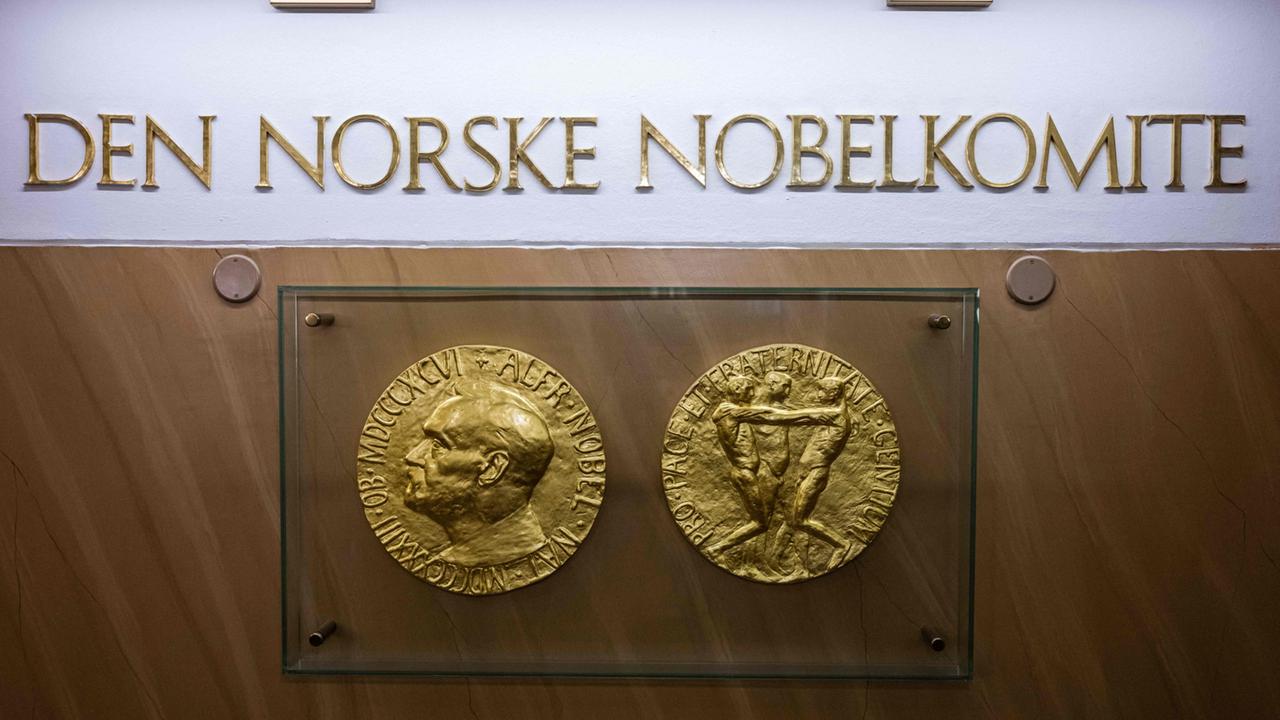
However, the celebratory mood took an unexpected turn in January of this year. In a move that sent shockwaves through the Nobel community and beyond, María Corina Machado symbolically "gifted" her Nobel Peace Prize medal to former U.S. President Donald Trump. Her stated rationale was to acknowledge what she perceived as his contributions to global peace, a claim that sparked immediate and widespread condemnation, particularly within Norway and among Nobel observers.
Haakon Gjerløw, the Executive Director of the Peace Research Institute Oslo (PRIO), reflected on the incident, stating, "It’s no secret that there was a lot of excitement [Aufregung] last year after the award, once María Corina Machado handed her medal to Donald Trump. I would have wished it had been different. But one simply cannot dictate what people do with the prize they receive." Gjerløw’s sentiment encapsulates the dilemma faced by the committee: while they select laureates based on their merits, they cannot control the subsequent actions or political alignments of the recipients, which can sometimes overshadow the original intent of the award.
"Controversies, Yes – But Not Every Year"
The fallout from Machado’s gesture has led to increased scrutiny of the Nobel Committee’s decision-making process. Many are now wondering how this past controversy might influence the committee’s choice for 2026. Haakon Gjerløw believes that the world will be watching even more closely this year than usual.
"The fact that the prize occasionally generates controversy brings it attention," Gjerløw observed. "But it cannot be controversial every year. It’s important to find a balance. Therefore, they might lean towards someone uncontroversial this year – but it could go either way." This nuanced perspective suggests that while the committee is not adverse to making challenging or politically charged selections, there might be an internal pressure to restore a sense of universal acceptance and avoid another high-profile scandal. The committee walks a fine line, aiming to honor impactful work while safeguarding the prize’s global prestige and perceived impartiality.
The Nobel Peace Prize has a long history of generating controversy, a testament to its powerful influence in global affairs. From the awarding of the prize to Henry Kissinger and Le Duc Tho in 1973 amidst the Vietnam War, to the recognition of Yasser Arafat, Shimon Peres, and Yitzhak Rabin in 1994 for their efforts towards peace in the Middle East, and even the early award to Barack Obama in 2009, many selections have been met with mixed reactions. These instances highlight that peace itself is often a contested and complex concept, and those who work for it frequently operate in highly divisive environments. Machado’s action, therefore, while unique in its nature, can be seen as another chapter in the prize’s long engagement with political complexities.
The PRIO Director’s Insights and Potential Laureates
As is customary, Haakon Gjerløw, the Director of PRIO, has published his own shortlist of individuals and organizations he deems worthy of the Nobel Peace Prize this year. While these predictions hold no official sway over the committee’s decision, they are widely regarded as informed insights into the current landscape of peace efforts and potential candidates.
Among Gjerløw’s recommendations are several notable entities:
- The Committee to Protect Journalists (CPJ): An organization that advocates for press freedom worldwide and defends the rights of journalists, often working in conflict zones or authoritarian states. Recognizing CPJ would underscore the vital role of independent media in fostering peace and accountability.
- The "Emergency Response Rooms" in Sudan: This nomination highlights grassroots efforts in conflict-ridden regions. These local networks often provide essential humanitarian aid, mediate local disputes, and work towards community resilience in the face of civil unrest and violence, embodying peacebuilding from the ground up.
- Save the Children: A global organization dedicated to improving the lives of children through education, healthcare, economic opportunities, and emergency aid. Their work often involves protecting children in war zones and advocating for their rights, which is fundamental to long-term peace.
- Mykola Kuleba, Head of Save Ukraine: This nomination brings focus to the ongoing conflict in Ukraine. Save Ukraine is a Ukrainian organization committed to children’s rights and humanitarian assistance, particularly in the context of the devastating war. Recognizing Kuleba or his organization would acknowledge the profound impact of conflict on vulnerable populations and highlight efforts to mitigate suffering and rebuild lives.
These suggestions reflect a range of peace-related activities, from upholding fundamental freedoms and humanitarian intervention to grassroots resilience and child protection, indicating the diverse ways in which peace is pursued globally.
Donald Trump’s Persistent Claims and the Committee’s Resolve
Adding another layer of external commentary to the prize, former U.S. President Donald Trump has once again reiterated his belief that he is a deserving recipient of the Nobel Peace Prize. Speaking from the Oval Office on Wednesday, he asserted, "I don’t know how their decision will turn out. They have a reputation for not giving it to people like me. Whether I get it or not, I have accomplished far more, and I think it would be a disgrace for them."
Trump’s claims are rooted in his perception of having ended "eight wars" during his presidency, a statement that has been met with skepticism and debate regarding its accuracy and the actual impact of his foreign policy. While several U.S. Presidents, including Theodore Roosevelt, Woodrow Wilson, and Barack Obama, have been awarded the Peace Prize, their selections were generally based on specific, widely recognized achievements in diplomacy, international cooperation, or disarmament efforts. Trump’s self-assessment, however, presents a different kind of narrative, one that often clashes with the committee’s traditional criteria and the global consensus on what constitutes peacebuilding.
The Nobel Committee is, by its very nature, accustomed to external pressure and unsolicited opinions. It is highly unlikely that such public pronouncements, whether from former presidents or other influential figures, would sway their independent judgment. The committee members are selected by the Norwegian Parliament and are expected to operate with complete autonomy, insulated from political maneuvering and popular sentiment.
The Committee’s Independence and Challenges
Kristian Berg Harpviken, the Director of the Norwegian Nobel Institute, addressed the issue of how laureates handle their medals back in January, following María Corina Machado’s controversial decision. He stated, "Considerations are rather made on how a prize will affect and what consequences it will have for the security and situation of the laureates. However, it is not a fixed point on the agenda to discuss how a particular laureate handles the symbols that accompany the Nobel Peace Prize."
This statement underscores the committee’s focus on the substantive impact of the prize and the well-being of its recipients, rather than the symbolic gestures that may follow. The committee’s primary concern is to identify individuals or organizations whose work genuinely advances peace, disarmament, or human rights, and to ensure that the award enhances their ability to continue that work without unduly jeopardizing their safety. The challenges of making such a selection are immense, particularly in a world where geopolitical tensions are high, and the lines between peace and conflict are often blurred. The committee must weigh the potential benefits of recognizing certain efforts against the risks of provoking further controversy or endangering laureates.
The Nobel Peace Prize is more than just a medal and a diploma; it comes with global recognition and a significant financial award, currently set at approximately one million Euros. This prize money is intended to support the laureate’s ongoing work, providing resources that can amplify their impact. The ceremony for the 2026 Nobel Peace Prize, where the medal, diploma, and prize money will be formally presented, is scheduled for December 10th in Oslo, coinciding with the anniversary of Alfred Nobel’s death.
As the clock ticks towards 11:00 AM, the global guessing game for the 2026 Nobel Peace Prize is about to conclude. Whether the committee opts for a universally acclaimed figure or another bold, potentially contentious choice, one thing is certain: the announcement will reverberate across the globe, sparking discussions about the nature of peace, the challenges of achieving it, and the enduring power of humanity’s collective efforts towards a more harmonious world. The decision rests solely with the five members of the Norwegian Nobel Committee, whose carefully considered verdict will soon be unveiled to an eager audience.