

Introduction: A Departure from the Ordinary
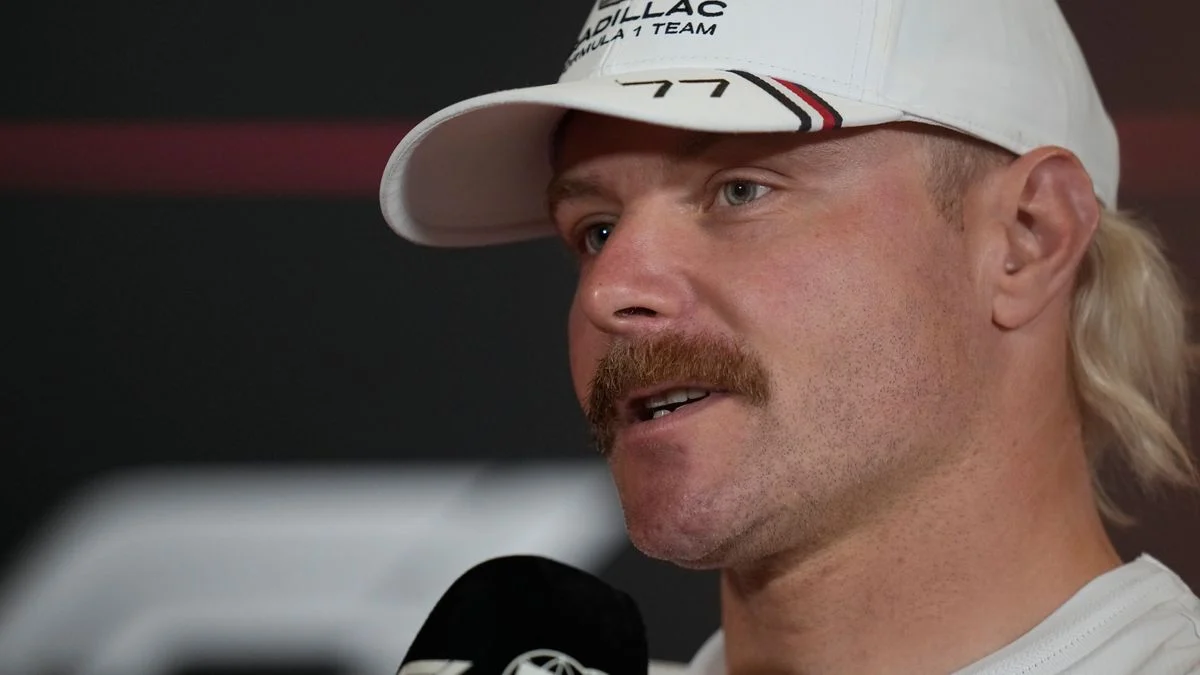
In the high-octane world of Formula 1, where logistics are measured in milliseconds and private jets are the standard mode of transport between global circuits, Valtteri Bottas has once again defied convention. Fresh off a disappointing exit at the Bahrain Grand Prix, the Finnish driver has opted for a journey that stands in stark contrast to the jet-setting lifestyle typically associated with the pinnacle of motorsport.
Instead of boarding a commercial flight or a team charter from Malaysia to Singapore, the 37-year-old Sauber-affiliated driver has chosen to cover the 350-kilometer distance on his gravel bike. This unconventional transit—part grueling endurance challenge, part scenic expedition—has captured the imagination of racing fans and cycling enthusiasts alike, serving as a poignant reminder of Bottas’s deep-seated passion for human-powered performance.
Main Facts: The Logistics of the Journey
The journey, which began shortly after his early retirement from the race in Sepang, sees Bottas navigating the infrastructure between Malaysia and the neighboring city-state of Singapore.
- The Route: Approximately 350 kilometers (roughly 217 miles) of coastal and inland road networks.
- The Equipment: A high-performance gravel bike, a versatile machine suited for the varying road conditions of the Southeast Asian terrain.
- The Motivation: Bottas has long been a vocal proponent of cycling as a physical and mental training tool. His relationship with professional Australian cyclist Tiffany Cromwell has further integrated cycling into his lifestyle, elevating it from a hobby to a core component of his athletic identity.
- The Deadline: Despite the physical exertion, the Finnish driver faces a strict professional commitment. He is expected to arrive in Singapore by Thursday to fulfill his mandatory media duties ahead of the weekend’s Grand Prix.
Chronology: From Sepang to the City-State
The Disappointment in Sepang
The catalyst for this unusual journey was a premature conclusion to the Bahrain Grand Prix, which held its recent leg at the Sepang International Circuit. For Bottas, the race was a tactical and mechanical frustration. Having exited the race early, he found himself with an unexpected window of time—a rare commodity in the F1 calendar. Rather than sequestering himself in a hotel room to recover from the race’s disappointment, Bottas viewed the empty schedule as an opportunity to push his physical limits.
The Instagram Announcement
On Monday, Bottas took to social media to confirm the rumors that had begun circulating among paddock insiders. Sharing a video clip of himself beginning his journey, clad in professional cycling kit and mounted on his bike, he kept his message characteristically brief: "Yes, I’m cycling to Singapore." The post, which quickly went viral, provided a snapshot of a driver seeking solace in the rhythmic, meditative nature of long-distance cycling.
The Trek
The journey involves several days of sustained output. Unlike a Formula 1 car, which relies on downforce and internal combustion, the gravel bike requires pure aerobic capacity. Navigating the tropical climate of the Malay Peninsula, Bottas faces humidity, heat, and unpredictable weather patterns, all while managing the logistical requirements of a multi-day ride without the support of a full racing team.
Supporting Data: Bottas’s Career and Physical Prowess
To understand why Bottas would choose such a rigorous transit, one must look at his trajectory within the sport. A veteran of 262 Grand Prix starts, the Finn has experienced the highest highs and the most challenging lows of modern motorsport.
Statistical Overview
- Race Victories: 10, with his most recent triumph coming in the 2021 Istanbul Grand Prix.
- World Championship Standing: A two-time Vice World Champion (2019 and 2020), largely during his tenure alongside Lewis Hamilton at Mercedes.
- Experience: With over a decade of experience in the paddock, Bottas is one of the grid’s most seasoned drivers.
The Intersection of F1 and Cycling
Bottas’s interest in cycling is not a passing phase. He has frequently participated in gravel events during the off-season, often alongside his partner, Tiffany Cromwell. This commitment to the sport is more than recreational; it is a vital training mechanism. Cycling develops cardiovascular endurance and mental fortitude—traits that are essential for the high-heart-rate environment of a Formula 1 cockpit.
Furthermore, the data suggests that athletes who diversify their physical activity often see improved longevity in their careers. By engaging in long-distance cycling, Bottas maintains a level of fitness that allows him to remain competitive even as he enters the later stages of his professional racing career.
Official Responses and Public Reaction
The reaction from the Formula 1 community has been one of admiration mixed with professional concern. Teams generally mandate strict health and safety protocols for their drivers to ensure they are at peak performance for the race weekend.
While the Sauber team has not officially commented on the specific risks of the journey, the paddock consensus is one of respect. Former teammates and competitors have lauded his initiative. "It’s typical Valtteri," one paddock insider remarked. "He’s always looking for ways to disconnect from the noise of the sport and reconnect with himself. If anyone has the discipline to pull this off, it’s him."
Fans have been equally supportive, with many tracking his journey through the occasional updates shared via his social media channels. The image of a world-class athlete choosing the slow, deliberate pace of a bicycle over the speed of an aircraft resonates in a world that often feels as though it is moving too fast.
Implications: The Shift in Athlete Lifestyle
Valtteri Bottas’s journey is emblematic of a broader shift in how modern professional athletes perceive their roles and their down-time.
1. Mental Health and Decompression
Formula 1 is a sport characterized by extreme pressure. The constant scrutiny of the media, the demands of sponsors, and the performance expectations of the team can lead to significant burnout. By opting for a solo, human-powered journey, Bottas is engaging in a form of active recovery. The isolation of the road provides a mental clarity that a flight simply cannot offer.
2. Sustainability and Awareness
While it is unlikely that this will become the standard for F1 travel—given the sheer volume of equipment and personnel—Bottas’s choice highlights the carbon footprint of the sport. As Formula 1 moves toward its "Net Zero Carbon by 2030" goal, such symbolic gestures, even if performed on a micro-level by a single driver, contribute to a larger conversation about sustainability within the sport.
3. Redefining the "Driver" Identity
For decades, the "Formula 1 driver" was viewed as a creature of the paddock—someone who existed solely within the confines of the circuit and the hospitality suite. Bottas is part of a new generation that rejects this enclosure. He is a person who races, rather than a racing driver who happens to be a person. By integrating his personal passions so visibly into his professional life, he is setting a new standard for how athletes can maintain their identity while navigating the demands of elite competition.
Conclusion: The Long Road to Singapore
As Valtteri Bottas pedals closer to Singapore, he is not just heading toward another race; he is completing a journey of personal endurance. Whether he finishes in the points this coming weekend remains to be seen, but he has already secured a victory in the court of public opinion.
In a sport often accused of becoming too clinical and detached from reality, the sight of a ten-time Grand Prix winner riding a gravel bike through the humid landscapes of Malaysia serves as a grounding force. It reminds us that beneath the helmets, the liveries, and the corporate sponsorships, these individuals are human beings who thrive on challenge, seek adventure, and find their strength in the simplest of machines.
When he arrives in the Singapore paddock on Thursday, he will no doubt face the usual barrage of questions about tires, aerodynamic updates, and championship points. But as he steps out of the saddle and into the briefing room, he will carry with him the quiet satisfaction of a journey earned through sweat and persistence—a rare accomplishment in a world of high-speed convenience.
Valtteri Bottas’s ride to Singapore is more than just a commute; it is a statement of intent, a display of athletic discipline, and a refreshing reminder that sometimes, the most important miles are the ones we cover under our own power.






