By Editorial Staff
Updated: October 5, 2026, 11:56 PM
The Turkish national football team’s downward spiral continues. Following a disappointing showing at the 2026 World Cup, where the Crescent-Stars were eliminated in the group stages, the team has now suffered its fourth consecutive defeat in the UEFA Nations League. The latest 3-1 setback against Italy in Bologna leaves Türkiye at the bottom of their group with zero points and an alarming goal difference of 2-11. For head coach Vincenzo Montella, the pressure is no longer just mounting—it is becoming existential.
The Anatomy of a Collapse: A Statistical Reality Check
The numbers do not lie, and in the case of the Turkish national team, they paint a harrowing picture of a program in transition. Since their lackluster exit from the 2026 World Cup in North America, the team has struggled to find a competitive rhythm.
The Nations League campaign has been a microcosm of their recent woes. A 0-1 loss to France was followed by a comprehensive 1-4 thrashing by Italy just a week ago, and a 0-3 defeat to Belgium. With Monday night’s 3-1 loss, the team has conceded 11 goals while managing to find the back of the net only twice.
The tactical frustration is evident. Despite maintaining significant periods of possession and controlling the tempo in the middle of the park during the Bologna encounter, the team lacks the "killer instinct" in the final third—a deficiency that has been ruthlessly exploited by high-caliber European opponents.
Chronology of the Bologna Clash: Resilience Met with Cruelty
The atmosphere in Bologna was electric, and despite the heavy criticism from Turkish media, the visitors entered the pitch with clear intent. Vincenzo Montella’s side displayed a tactical discipline in the first half that suggested they had learned from the previous 1-4 defeat.
A First Half of Near-Misses
The match began with a surprise: Türkiye held the majority of the ball. While Italy was content to sit back, absorbing pressure with a disciplined defensive block, the Turkish midfield orchestrated attacks with precision. By the 25th minute, Italy had managed fewer than four attempts on goal. However, in international football, efficiency is king.
In the 26th minute, the game’s narrative shifted entirely. A quick transition from the Squadra Azzurra saw Antonio Vergara feed Giovanni Di Lorenzo, whose pinpoint cross found Gianluca Scamacca. Despite being crowded by two defenders, Scamacca showed elite composure, physically asserting his dominance before hammering a strike under the crossbar. It was a hammer blow to a Turkish side that had dictated the flow of play up to that point.
The Second Half: A Glimpse of Hope and Final Despair
The second half began with the intensity expected of a desperate side. Türkiye’s persistence finally bore fruit in the 61st minute. A clever piece of play saw Zeki Celik thread a pass into the box, where Eren Elmali cleverly dummied the ball to confuse the Italian backline. Aral Simsir, positioned perfectly at the far post, slotted the ball home to register his maiden international goal.
For a fleeting three minutes, the tide appeared to have turned. The Turkish fans in the stadium roared, sensing an upset. However, Italy’s response was immediate and clinical. In the 64th minute, Riccardo Calafiori rose high to meet a Nicolo Barella cross, powering a header past the goalkeeper to restore Italy’s lead.
Despite the setback, Türkiye continued to push forward. Ugurcan Çakır made several heroic saves to keep his team in the game, but the defensive vulnerability remained. The final nail in the coffin arrived in the 87th minute when Francesco Esposito finished a brilliant solo run by Issa Doumbia, sealing a 3-1 victory that flattered the hosts slightly but underscored Türkiye’s inability to close out high-stakes moments.
Strategic Analysis: Possession Without Purpose
One of the most recurring criticisms of the current Turkish setup is the "40% possession vs. 60% possession" paradox. In Bologna, Türkiye enjoyed substantial control, yet the team’s conversion rate remains abysmal.
The issue lies in the final third. While the team excels at progressive play through the midfield, they lack the clinical edge to punish opponents. The "last pass" is consistently missing, and when shooting opportunities do arise, the team often lacks the composure to test world-class goalkeepers like Gianluigi Donnarumma.
Furthermore, the defensive transition is leaving the backline exposed. Against a team as tactically fluid as Italy, any loss of possession in the midfield is treated as a death sentence. The goals conceded by Calafiori and Esposito were direct results of defensive lapses occurring during moments where the Turkish team was committing too many bodies forward, seeking an equalizer.
Official Responses and the Montella Dilemma
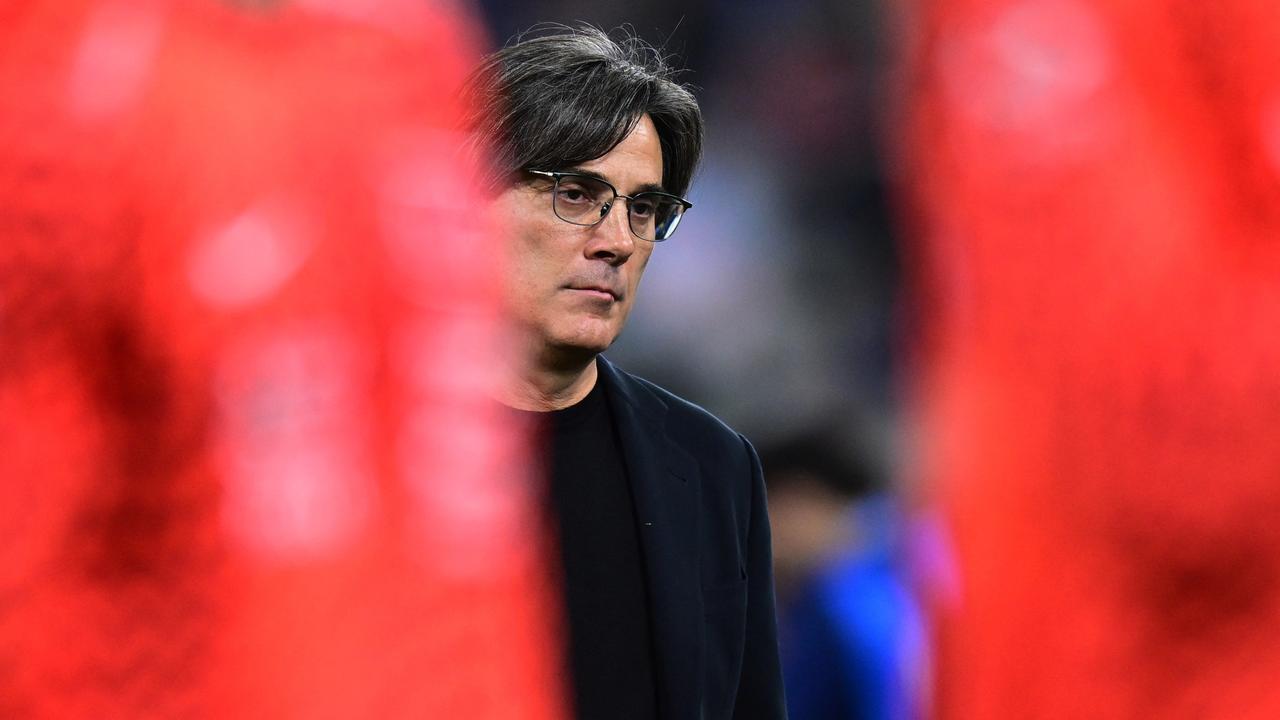
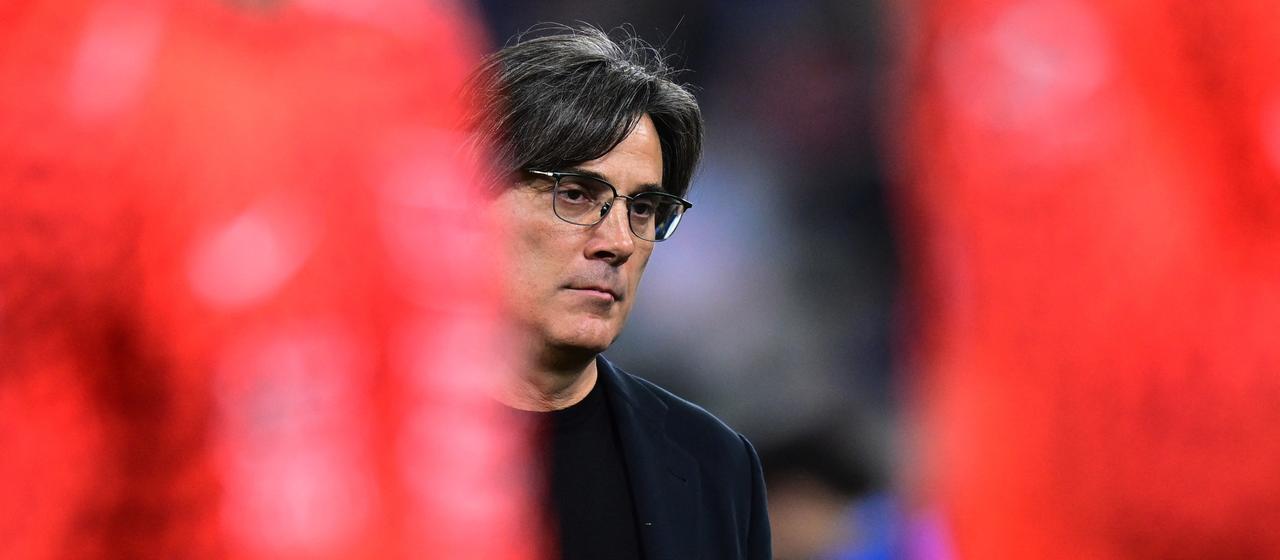
The silence from the Turkish Football Federation (TFF) has been deafening, but the writing is on the wall. In post-match interviews, Vincenzo Montella appeared visibly exhausted. He defended his players’ efforts, emphasizing that the team is "growing" and "learning," but the patience of the Turkish sporting public—and the media—has largely evaporated.
"We played with heart, and for large stretches, we were the better side," Montella noted in the post-match press conference. "But at this level, individual errors are punished. We are failing to capitalize on our dominance."
Internal sources suggest that the TFF is evaluating the situation with extreme urgency. The upcoming matches in November against Belgium and France will likely determine the manager’s future. If the team fails to secure a result, it is widely expected that the federation will seek a change in leadership to jumpstart the team ahead of future qualifying campaigns.
The Road Ahead: Can the Tide Be Turned?
The schedule does not offer much respite for the beleaguered Turks. The Nations League path remains treacherous:
- November 12: Türkiye vs. Belgium
- November 15: France vs. Türkiye
These fixtures represent a mountain to climb. Belgium and France are both in high-functioning form, and unless Türkiye finds a way to shore up their defense and stabilize their attacking rotation, the prospect of finishing the Nations League with zero points is a very real possibility.
Implications for the Program
- FIFA Ranking Erosion: Every defeat further damages Türkiye’s standing in the FIFA rankings, which will complicate future tournament seeding.
- Squad Morale: The psychological toll of four straight losses is profound. Rebuilding the confidence of a young, talented roster will require either a significant tactical overhaul or a change in management.
- National Expectation: Football in Türkiye is more than a sport; it is a national passion. The current disconnect between the team’s potential and its results is causing significant friction among the fanbase.
Conclusion
The 3-1 defeat in Bologna is not merely a loss of three points; it is a symptom of a larger, systemic crisis. While the individual talent of players like Aral Simsir and the work rate of the squad are evident, the tactical structure is crumbling under the pressure of elite competition.
As the calendar turns toward November, the Turkish national team finds itself at a crossroads. Vincenzo Montella is fighting for his tenure, and the players are fighting for their pride. Whether this team can find the resolve to turn their season around remains the most significant question in European football heading into the final international window of the year. For now, the Crescent-Stars are left to look back on a night in Italy where they were "close, yet so far"—a sentiment that has defined their Nations League campaign thus far.