In an era defined by hyper-connectivity and the relentless pace of digital existence, a quiet subculture is reclaiming the open road. Lolly Streek, a modern-day nomad, has become the face of a movement that marries the aesthetic of the mid-20th century with the vibrant pulse of contemporary music festivals. Traveling across Europe in a meticulously restored vintage caravan, Streek is not merely a tourist; she is a chronicler of a nomadic lifestyle that seeks to redefine the relationship between travel, music, and the "slow movement."
Main Facts: A Life Defined by Miles and Melodies
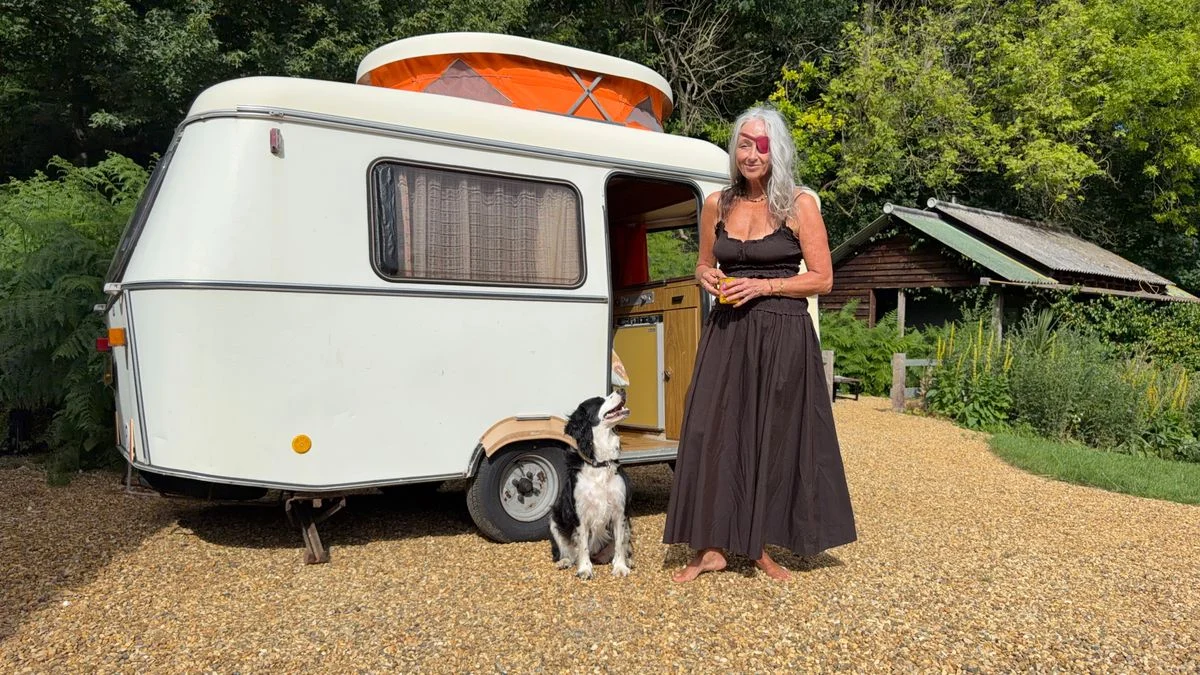
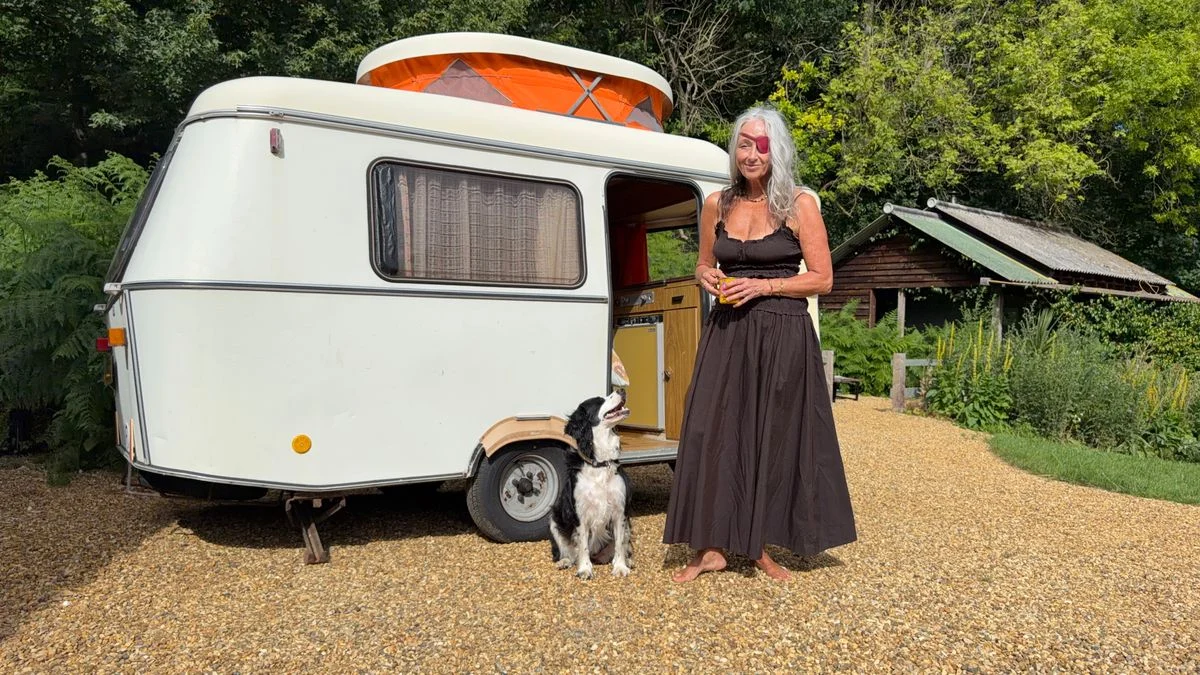
At the heart of Streek’s journey is the conviction that the journey itself is as significant as the destination. Her vehicle of choice—a gleaming, rounded-edge vintage caravan—serves as both her living quarters and her mobile base of operations. Unlike the modern trend of "van-life," which often leans toward sleek, high-tech conversion vans, Streek’s approach is rooted in the restoration of history.
Her primary mission involves tracking the European festival circuit, from the intimate folk gatherings of the Baltic states to the high-energy electronic music festivals in the heart of the Alps. This lifestyle requires rigorous planning, mechanical maintenance, and a willingness to embrace the unpredictability of nomadic life. For Streek, the allure is found in the contrast: the quiet, solitary labor of maintaining a 1960s-era trailer and the communal, cacophonous energy of a festival crowd.
Chronology: From Concept to the Open Road
The journey of Lolly Streek did not begin on a highway, but in a garage. The timeline of her transition into a full-time traveler provides insight into the dedication required to maintain this lifestyle.
- The Planning Phase (2018–2019): Streek spent eighteen months researching chassis integrity and original interior design aesthetics for 1960s touring trailers. During this time, she sourced a derelict model, which would eventually become her home.
- The Restoration (2020): While the world went into lockdown, Streek turned her isolation into an opportunity for restoration. She stripped the trailer to its frame, installed modern insulation and solar arrays, and preserved the authentic wood-veneer cabinetry.
- The Maiden Voyage (2021): Post-restriction travel saw Streek complete her first circuit, covering 4,000 kilometers across Germany, Austria, and the Czech Republic.
- Integration with the Festival Circuit (2022–Present): Streek formalized her travels, mapping out a seasonal route that aligns with major music festivals. She has since documented these experiences, sharing the unique intersection of vintage design and modern music consumption.
Supporting Data: The Rise of the "Slow Travel" Economy
The nomadic lifestyle championed by Streek is not an anomaly; it is part of a broader trend in European tourism. According to industry reports, the market for vintage caravan rentals and restorations has seen a 22% increase in interest since 2020. This shift is attributed to several socio-economic factors:
- The Rise of Digital Nomads: With the normalization of remote work, younger demographics are seeking flexible living arrangements.
- Sustainability Concerns: Travelers are increasingly opting for "slow travel," which minimizes the environmental footprint associated with frequent air travel and large-scale hotel resorts.
- Aesthetic Value: The "retro-future" aesthetic has gained immense popularity on social media platforms, turning vintage caravans into sought-after lifestyle symbols.
Furthermore, music festivals have reported that nearly 15% of their total attendance now involves some form of "glamping" or mobile home accommodation, a significant jump from the traditional tent-only demographic of a decade ago.
Official Responses and Industry Perspectives
Sociologists and urban planners have taken note of the growing trend. Dr. Elena Vance, a researcher specializing in nomadic sociology, notes: "Lolly Streek represents a shift in the traditional nomadic narrative. She is not a runaway; she is a professional who has synthesized work, travel, and cultural participation. The vintage caravan acts as a psychological buffer against the anonymity of modern tourism. It provides a ‘home’ that moves, which is an incredibly powerful concept for the modern worker."
Conversely, some festival organizers have expressed caution regarding the logistics. While the presence of vintage trailers adds a unique visual charm to festival grounds, it requires specialized infrastructure. "We love the aesthetic," says Marcus Thorne, a festival logistics coordinator. "But balancing the needs of high-density tent camping with the space requirements of vintage, non-standardized caravans is a challenge. We are seeing a shift where festival planners are having to allocate ‘Heritage Zones’ to accommodate this growing segment of the audience."
Implications: The Future of Nomadic Culture
The life of a traveler like Lolly Streek serves as a case study for the future of living. As technology continues to untether individuals from physical offices, the question arises: is the traditional concept of a "home base" becoming obsolete?
The Environmental Impact
While Streek’s trailer is solar-powered, the logistics of towing a vintage caravan involve carbon emissions that are not insignificant. However, compared to the cumulative footprint of international hotel tourism, the "slow travel" model encourages longer stays in fewer locations, which can lead to a more sustainable tourism model if managed correctly.
The Community Element
Perhaps the most profound implication of Streek’s journey is the community she has built. By moving between festivals, she creates a temporary, transient society. These nomadic clusters, or "caravan collectives," often share resources, tools, and social bonds, creating a support network that functions outside the traditional neighborhood structure.
The Preservation of History
Streek’s work is, at its core, a form of preservation. By keeping these caravans functional and on the road, she is saving pieces of industrial history. Her commitment to the original design ensures that these vessels do not end up in landfills, serving as a reminder that modern luxury does not always equate to better quality.
Conclusion
Lolly Streek’s odyssey is more than a travelogue; it is a testament to the enduring appeal of the open road and the human need for both autonomy and connection. As she continues to traverse the continent, her vintage caravan stands as a beacon for those who find the modern world too rigid. Whether one considers her a modern explorer or a cultural preservationist, the impact of her journey is clear: the road is not just a path to be traveled, but a space to be lived in.
As the festival season approaches once again, Streek is already prepping her trailer for the next departure. The wheels are greased, the solar panels are primed, and the music is calling. In a world of noise and speed, Lolly Streek reminds us that sometimes, the best way to move forward is to look back at the craftsmanship of the past and carry it with us into the future.
For those interested in the logistical challenges of long-term mobile living, or for those seeking to follow in the tracks of the modern nomad, the documentation of Streek’s travels remains an essential guide to the intersection of history, music, and the freedom of the road.