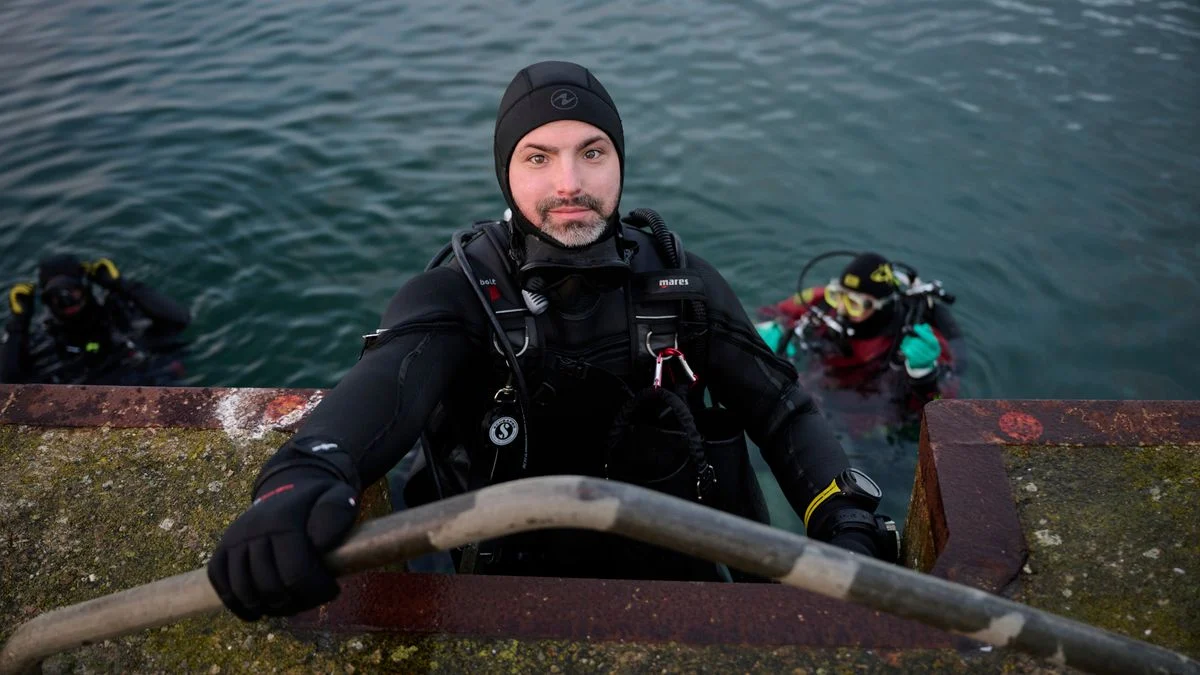
The picturesque harbor of Eckernförde, a gem on the Baltic Sea coast of Schleswig-Holstein, is known for its sweeping views, historic fishing vessels, and a vibrant maritime culture. Yet, beneath the calm, shimmering surface of the water, a different reality persists—one defined by decades of human negligence. For years, volunteer divers have been descending into the depths of the harbor, not for recreation, but for a grueling environmental mission: to retrieve the accumulated refuse that threatens the local ecosystem and maritime safety.
What began as a grassroots initiative has evolved into a sophisticated environmental cleanup operation, highlighting the hidden costs of coastal urbanization and the persistent problem of marine debris.
The Main Facts: A Hidden Crisis
The harbor of Eckernförde serves as a transit point for tourists, commercial fishing boats, and local leisure craft. Over decades, this high-traffic area has become a repository for an eclectic and alarming array of waste. From the mundane—plastic bottles, aluminum cans, and discarded fishing nets—to the surreal, such as bicycles, shopping carts, and even historical remnants, the seabed of the harbor is effectively a submerged landfill.
The primary objective of the volunteer dive teams is two-fold: environmental restoration and hazard mitigation. Discarded fishing gear, often referred to as "ghost nets," poses a lethal threat to marine life, continuing to trap fish and crustaceans long after they are lost. Furthermore, metal objects and heavy debris create navigation hazards and can leach toxic substances into the sediment, potentially affecting water quality in the wider Eckernförde Bay.
Chronology: From Occasional Dives to Systematic Cleanup
The awareness of the harbor’s condition did not emerge overnight. The evolution of the cleanup efforts can be traced through several distinct phases:
Phase I: The Discovery (Early 2000s)
Local diving clubs, long familiar with the conditions beneath the surface, began informally clearing debris during their training sessions. During this period, the focus was largely aesthetic and safety-oriented, with divers removing items that posed immediate risks to vessels or swimmers near the piers.
Phase II: The Institutionalization (2015–2020)
As environmental awareness grew, these informal efforts gained traction. Local authorities began to recognize the value of the divers’ work. The municipal administration started providing logistical support, including the provision of waste disposal containers and coordinated pickup services for the recovered materials. This era marked the shift from "hobbyist cleaning" to a semi-organized environmental movement.
Phase III: The Modern Operation (2021–Present)
Today, the cleanup operations are highly systematic. Divers now use lift bags to raise heavy items—such as abandoned e-scooters or structural scrap—and conduct detailed surveys to identify "hotspots" of pollution. The operation has also integrated educational components, with divers documenting the types of debris found to better understand consumption patterns in the town.
Supporting Data: The Scale of the Waste
The statistics surrounding the cleanup are as revealing as they are distressing. On a typical weekend operation, a small team of six to ten divers can extract between 300 and 500 kilograms of debris.
- Plastic Waste: Accounts for approximately 45% of the total volume recovered, consisting primarily of single-use packaging that enters the harbor via wind and stormwater runoff.
- Metal Debris: Comprises 30% of the haul, including bicycles and household appliances, often dumped intentionally or lost during storms.
- Fishing Gear: Roughly 15% of the haul consists of nets and ropes. While this is a smaller percentage by volume, it represents the highest "impact per item" due to its role in ghost fishing.
- The "Curiosities": The remaining 10% includes items that range from the humorous to the inexplicable: antique car parts, lost wallets, and occasional industrial equipment that appears to have been discarded decades ago.
These figures underscore a critical reality: the harbor is not merely a collection point for litter, but a long-term storage facility for the waste of the surrounding community.
Official Responses and Civic Engagement
The local government of Eckernförde has increasingly embraced its role in facilitating these cleanups. The municipal environmental department has recently launched a series of public awareness campaigns aimed at reducing the amount of waste that enters the harbor in the first place.
"The work these divers do is invaluable," says a spokesperson for the local harbor authority. "They are the eyes on the ground—or under the water—that allow us to see the consequences of our lifestyle. We are currently reviewing potential strategies to install ‘trash traps’ at storm drain outlets to prevent debris from ever reaching the basin."
However, the response is not without challenges. Funding for large-scale maritime cleanup is notoriously difficult to secure, as the harbor does not fall under the same environmental protection mandates as open-sea nature reserves. Consequently, the reliance on volunteer labor remains the backbone of the initiative.
Environmental and Economic Implications
The implications of the Eckernförde harbor cleanup extend far beyond the immediate removal of trash.
Ecological Impact
The Baltic Sea is a delicate, brackish environment. The introduction of heavy metals and microplastics—which degrade from the larger plastic items found in the harbor—can have a cascading effect on the food chain. By removing these items, the divers are effectively preventing the long-term chemical contamination of the harbor floor.
Economic Impact
Eckernförde’s economy is heavily dependent on tourism and the fishing industry. A polluted harbor is not only an eyesore but also a potential liability. Clean, navigable waters are essential for the town’s maritime heritage. Moreover, the cost of municipal waste management is significantly lower when debris is removed by volunteers before it breaks down into smaller, harder-to-collect fragments.
Social Impact
Perhaps the most significant outcome is the shift in public perception. The annual "Harbor Cleanup Day," where the results of the divers’ work are displayed on the quayside, has become a town event. It forces residents and visitors alike to confront their own consumption habits. It transforms a private environmental act into a public social contract.
Conclusion: The Long Road Ahead
The efforts in Eckernförde serve as a microcosm of a global issue: the struggle to maintain the health of our coastal waters in the face of human expansion. While the dedication of the divers is commendable, it is ultimately a reactive measure.
As the town moves forward, the consensus among environmental experts and local stakeholders is that the focus must shift from cleaning up to prevention. This includes better urban waste management, stricter regulations on maritime littering, and, crucially, a shift in the cultural attitude toward our waterways.
The sea, as the residents of Eckernförde have learned, is not a bottomless void where our mistakes simply disappear. It is a mirror reflecting our environmental legacy. Every bicycle pulled from the mud and every fishing net untangled from the pier is a testament to the fact that while we have polluted the waters, we still possess the agency to heal them. The question remains: how much longer will we rely on the bravery of volunteers to fix the problems that we, as a society, continue to create?