As the Backstreet Boys announce a major ten-show residency in Düsseldorf, the global music industry is witnessing a seismic shift. While fans flock to these "homecoming" events from every corner of the globe, the move towards fixed-location concert series raises complex questions about sustainability, fan access, and the future of the traditional world tour.
The New Paradigm: Residency Over World Tour
The music industry is currently undergoing a structural transformation. For decades, the "world tour"—a grueling, months-long marathon of travel, logistics, and fleeting performances—was the gold standard for artists looking to maximize revenue and reach. Today, that model is being challenged by the "Residency," a concept where an artist sets up shop in a single city for an extended period, requiring the fans to travel to them rather than the other way around.
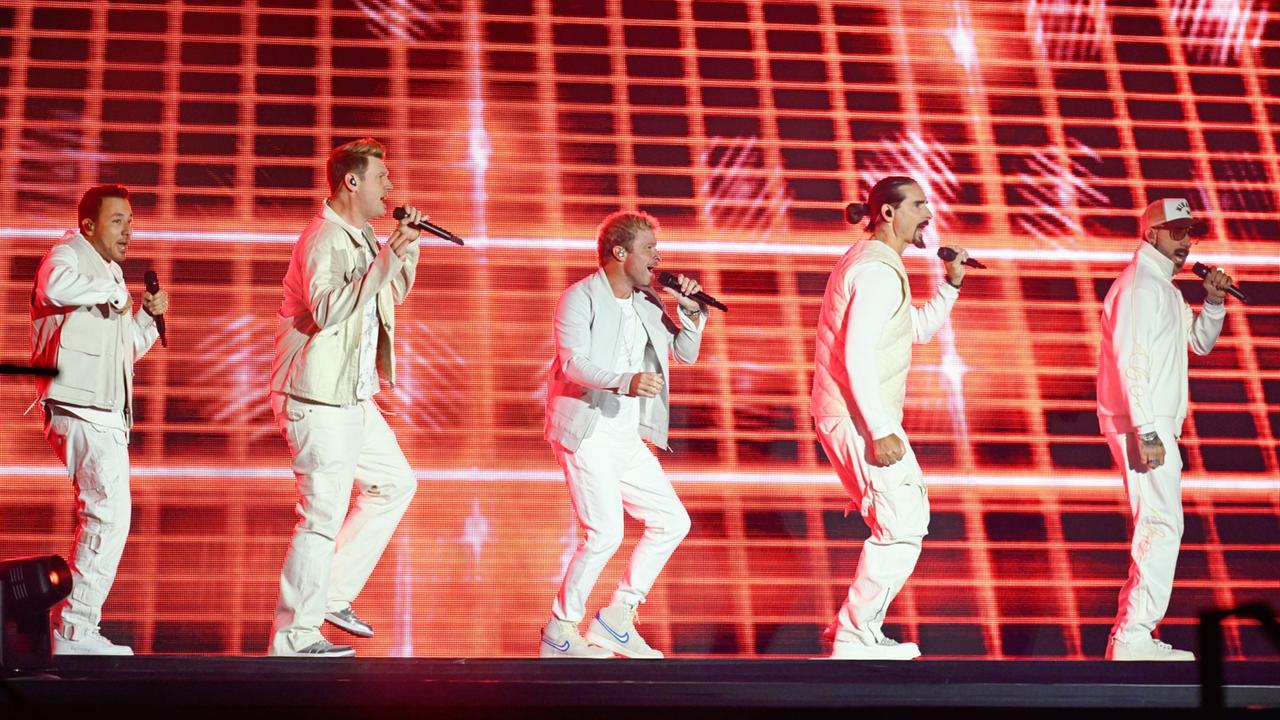
The Backstreet Boys exemplify this trend. Initially slated for six shows in Düsseldorf, overwhelming demand forced the band to add four more dates. With 450,000 tickets sold, these performances represent the group’s only European appearances this year. Titled "Into the Millennium – Homecoming," the residency serves as a nostalgic anchor, tethering the band to a city that holds deep historical significance for their career trajectory.
A Chronology of the Residency Model
The roots of the modern residency are deep, buried in the neon glow of mid-century Las Vegas. In the 1950s, Frank Sinatra and the "Rat Pack" established the template at the Sands Hotel, proving that audiences would travel to a singular destination for a curated, high-production experience.
However, the scale has evolved significantly.
- 1969: Elvis Presley’s legendary return to the stage in Las Vegas marked a milestone, with the "King" performing over 600 sold-out shows across seven years.
- 2010s: The model began to migrate beyond the gambling capital, with artists like Britney Spears and Celine Dion popularizing the "residency" as a career-stabilizing move.
- 2024-2026: We have entered the era of the "Pop-Up Residency." Adele’s 2024 stint in Munich saw the construction of a purpose-built, massive pop-up arena, while Shakira’s 2025-2026 circuit concluded with twelve dates in a bespoke Madrid stadium.
The "Homecoming" Factor: Why Germany?
For the Backstreet Boys, the choice of Germany is not merely logistical—it is emotional. In their own words, Germany was the first country to embrace them, championing their single "I’ll Never Break Your Heart" into the Top 10 long before the American market took notice.
"You recognized who we were before the rest of the world knew we existed," the band stated in their tour announcement. This narrative of "homecoming" serves as a powerful marketing tool, turning a series of concert dates into a pilgrimage for their most dedicated international followers.
Data and Economics: The Cost of Fandom
The economic impact of these residencies is massive, but it comes at a steep price for the consumer. Maisa Pimenta, a fan traveling from Brazil to Düsseldorf, represents the new breed of "concert tourist." Having paid 499 euros for a premium ticket—nearly double the monthly minimum wage in her home country—she is part of a growing demographic.
According to data published by Live Nation in 2025, six out of ten dedicated fans now travel internationally annually for a concert. For cities like Düsseldorf, this is a windfall. Jens Ihsen, Managing Director of Visit Düsseldorf, notes that hotels are consistently hitting 95% occupancy during residency windows.
However, this centralization creates a "barrier to entry." Many fans have taken to social media to voice their frustration. "So you’re just ignoring the rest of Europe? How pathetic," read one typical comment under the Backstreet Boys’ announcement. Similar criticism followed Harry Styles’ "Together, Together" residency at Madison Square Garden, where the concentration of dates in one location made attendance impossible for fans unable to afford the compounded costs of airfare and hotel stays.
Official Perspectives: The Artist’s and Promoter’s View
From the perspective of the artists, the shift is primarily about well-being and production quality. Harry Styles, discussing his Madison Square Garden run on the Zane Lowe podcast, noted that the residency format allows for a superior show. "You aren’t waking up in a new city every morning," Styles explained. "The show itself is better because you can refine it, and it allows for a better work-life balance for the crew and band."
Promoters and venue operators are equally enthusiastic. Michael Brill, CEO of D.Live, the company managing the Düsseldorf venue, emphasizes the logistical efficiency. "For artists, the strain of touring is significant. Doing multiple shows in one location is easier for everyone involved," Brill says.
There is also the technical reality of modern stage setups. Constructing a state-of-the-art concert environment in a football stadium—which requires complex turf protection and conversion—is a massive undertaking. According to Brill, it takes 8 to 12 days to prepare a venue for a major show. By doing ten shows in one location, the cost-per-show of this infrastructure is drastically reduced, and the "showcase" nature of the production becomes more sustainable for the promoter.
Implications: The Climate Factor and Industry Future
The environmental impact of this shift is perhaps the most contentious issue. Sarah Längen, founder of The Changency, a firm that develops sustainability concepts for live events, points to a paradox. While a residency reduces the carbon footprint associated with moving a massive touring production across the globe, it creates a massive surge in emissions from fans.
"60 to 90 percent of the emissions of a tour occur through the travel of the fans," Längen explains. "When you hold a residency, you are essentially forcing thousands of people to hop on airplanes from across the globe to reach one spot. It changes the nature of the carbon footprint from artist-led to audience-led."
Is the World Tour Dead?
The question of whether the residency will eventually render the traditional world tour obsolete is the subject of intense debate.
Längen remains skeptical of the trend’s necessity: "Actually, no act needs a residency," she asserts, emphasizing that the environmental cost of "destination concerts" is hard to justify.
Conversely, experts like Michael Herberger, Managing Director of the Popakademie Baden-Württemberg, suggest a more nuanced future. He warns that the rise of the mega-residency could cannibalize the smaller, local music scene. If fans spend their entire entertainment budget on a 500-euro ticket to see a global star in another country, they have no funds left for club shows or local artists.
"I think we will see a hybrid future," Herberger predicts. "The fans need to be engaged everywhere, and not everyone can travel. The world tour will likely survive as a medium for emerging artists and those who want to maintain a broad base, while the residency will remain the prestige play for global superstars."
As the Backstreet Boys take the stage in Düsseldorf, they do so not just as a band performing for their fans, but as the vanguard of a new, complex era in live entertainment—one that prioritizes the spectacle of the destination over the reach of the journey. Whether this model proves to be a sustainable evolution or a fleeting trend remains to be seen, but the music industry, and its traveling fans, are undoubtedly entering a new chapter.