DRESDEN, Germany – The legal machinery in Saxony has set its sights on a cluster of cold-case terrorism files. The General Prosecutor’s Office in Dresden officially announced on Tuesday that it has brought formal charges against four individuals suspected of membership in the terrorist organization known as the "Islamic State" (IS). The move marks a significant development in the state’s ongoing efforts to prosecute crimes committed by foreign fighters who entered Germany in the wake of the Syrian and Iraqi conflicts.
The four defendants, ranging in age from 27 to 43, were apprehended earlier this year during coordinated police operations in the cities of Plauen, Chemnitz, and Leipzig. Since their arrests, all four have been held in pretrial detention. While their cases are being processed simultaneously, the Prosecutor’s Office has emphasized that the individual charges are distinct and do not suggest a centralized cell operating within Saxony.
Main Facts: The Scope of the Indictments
The charges stem from alleged activities conducted in Iraq between 2015 and 2017, a period during which the Islamic State exerted control over significant swathes of territory, engaging in a campaign of violence that triggered international intervention.
According to the indictment, the four men are accused of having operated as members of the terrorist organization. A critical component of the prosecution’s case is the evidence of financial transactions: all four men are alleged to have received payments for their services to the group. These financial incentives, estimated to range between 900 and 3,300 US dollars per individual, form a central pillar of the state’s argument that these men were not merely present in the region but were integrated into the organizational structure of the IS.

The investigation, which has spanned several months, involved complex international cooperation, including digital forensics and intelligence sharing, to track the movements and activities of the men during their time in the Middle East.
Chronology of the Investigation
The path to the current indictment began long before the arrests in Saxony. It represents the culmination of a multi-year investigative strategy by German law enforcement agencies—specifically the State Criminal Police Office (LKA) and the General Prosecutor’s Office—to identify individuals who had fought for or served the IS and subsequently sought asylum or refuge in Germany.
- 2015–2017 (The Radicalization and Service Phase): The four suspects were present in Iraq, participating in activities linked to the Islamic State. During this timeframe, investigators allege the men were active in various capacities that supported the organization’s regional control.
- Post-2017 (The Migration Phase): Following the territorial collapse of the IS "Caliphate," the individuals eventually made their way to Europe, entering the German asylum system.
- Early 2024 (The Intelligence Breakthrough): Through long-term observation and analysis of digital footprints—often including data recovered from mobile devices and social media activity—German authorities identified the four individuals residing in the Saxony region.
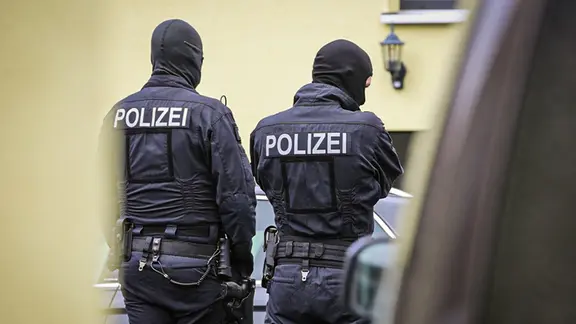
- Spring 2024 (The Apprehension): In a series of high-profile, coordinated raids across Plauen, Chemnitz, and Leipzig, police forces took the men into custody. The precision of the operations was aimed at minimizing flight risk and securing evidence, such as encrypted communications and personal documentation.
- September 2026 (The Formal Indictment): After a thorough review of the evidence gathered during the investigation, the General Prosecutor’s Office in Dresden finalized the charges, moving the case from the investigative stage to the judicial phase.
Supporting Data: The Nature of the Threat
The prosecution’s case relies heavily on the definition of membership in a foreign terrorist organization under German Criminal Code Section 129a/129b. The challenge for the state is to prove not only presence in the territory held by the group but active participation.
The Financial Evidence
The focus on the payments received by the defendants is strategic. By tracing these funds, prosecutors aim to demonstrate that the men were on the "payroll" of the IS, which characterizes them as active assets rather than coerced bystanders. The disparity in the amounts (from $900 to $3,300) may reflect different roles, levels of experience, or the duration of their commitment to the organization.

Digital Footprints
In the modern age of counter-terrorism, the "handy" (mobile phone) has become the most valuable tool for investigators. The images provided by the authorities during the announcement of these charges—showing smartphones and digital devices—underscore how investigators pieced together the men’s pasts. Often, these devices contain photos, videos, and chat histories that contradict claims of "just being in the wrong place at the wrong time."
Official Responses and Judicial Outlook
The General Prosecutor’s Office in Dresden has been careful to manage public expectations and maintain a sense of calm. In their statement on Tuesday, they addressed a key concern for the public: the risk of immediate domestic terror plots.

"There are no indications of a current, concrete threat to the population in Germany," the spokesperson for the Prosecutor’s Office stated. Furthermore, the authorities noted that, to date, there has been no evidence of the individuals continuing their activities for the IS after their arrival in the Federal Republic of Germany.
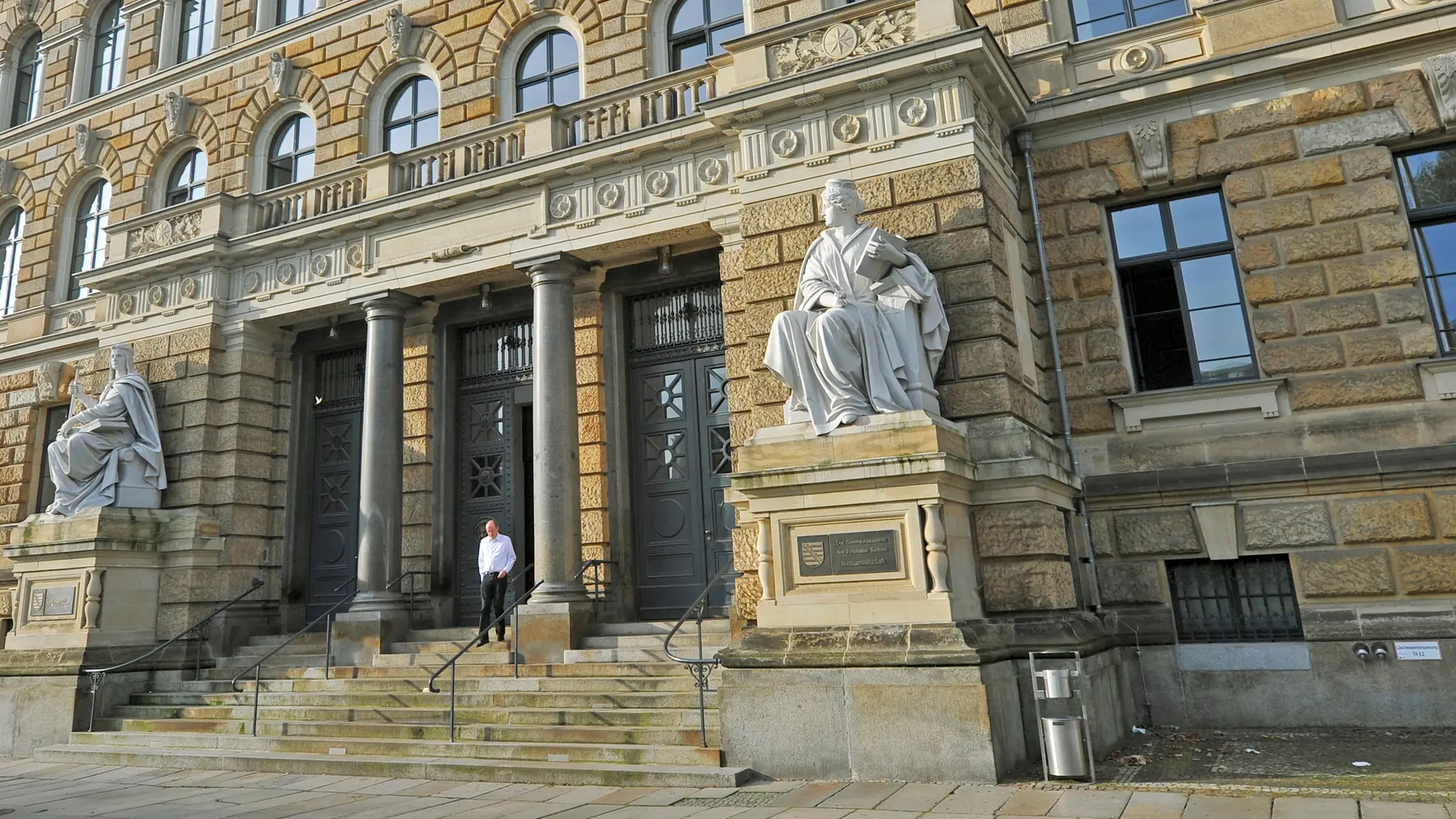
The case now shifts to the Higher Regional Court (Oberlandesgericht) in Dresden. The court is tasked with the "admission of the indictment," a judicial review process where judges determine if the evidence presented by the prosecution is sufficient to proceed to a full trial. This process is expected to take several weeks. If the court finds the evidence compelling, the trial will serve as a public record of the atrocities committed during the 2015-2017 period in Iraq and the role these specific individuals played.

Implications for Security and Migration Policy
The prosecution of these four individuals highlights the ongoing "legacy" challenges faced by Germany regarding the aftermath of the Syrian and Iraqi conflicts.
Legal Precedent
This trial is part of a larger, nationwide effort to ensure that Germany does not become a safe haven for war criminals or terrorists. By prosecuting these cases in Saxony, the judiciary is sending a clear signal that the passage of time does not grant immunity.

The Challenges of Evidence
The primary difficulty in these trials is the geographic and political distance between Germany and the crime scenes. Investigators must rely on data that is often fragmented. The fact that the prosecution has moved forward to an indictment suggests they have high confidence in the forensic evidence gathered—likely a mix of digital logs, financial records, and, potentially, witness testimony from the region.
Public Safety vs. Integration
For the public, these trials create a complex narrative. On one hand, they confirm that security agencies are effectively monitoring the population and tracking individuals who may have been involved in extremist movements. On the other hand, the presence of these individuals within the country—and the fact that they were able to enter and live in Germany before being identified—inevitably fuels broader debates about migration control, vetting processes, and the long-term societal integration of refugees from conflict zones.

Conclusion
As the legal proceedings in Dresden unfold, the focus will remain on the specific actions of the four defendants. The trial is expected to be lengthy and highly scrutinized, given the gravity of the charges and the sensitive nature of the evidence. For the residents of Plauen, Chemnitz, and Leipzig, the arrests serve as a stark reminder of the global nature of modern terrorism and the persistent, long-term work required by the state to hold individuals accountable for actions committed thousands of miles away.
The judiciary’s next move, the formal admission of the indictment, will be the first major milestone in what promises to be a landmark case for the state of Saxony. Justice, in this instance, is not just about the final verdict, but about the exhaustive process of documenting a dark chapter of international history and ensuring that the rule of law prevails within German borders.