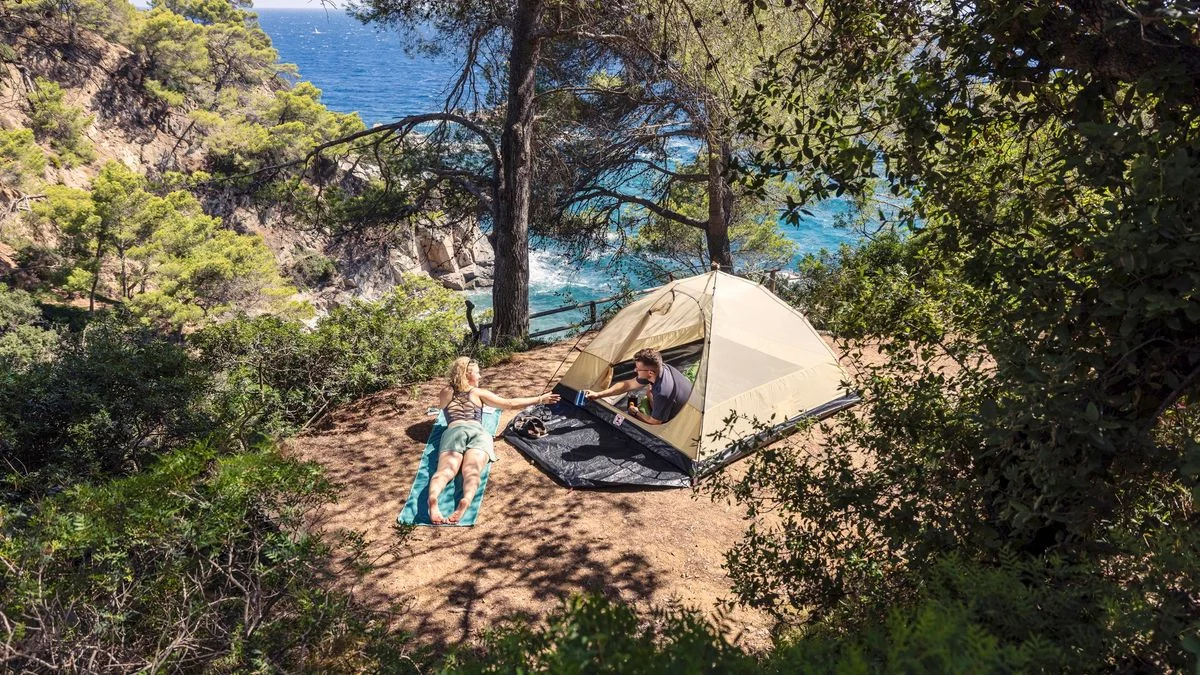
For decades, the image of the European summer has been defined by the rugged coastlines, pine-scented forests, and azure Mediterranean waters of Catalonia. As travelers increasingly look for ways to reconnect with nature without sacrificing the comforts of modern life, the Spanish province has cemented its status as the continent’s premier destination for high-end, immersive camping experiences.
From the dramatic cliffs of the Costa Brava to the golden expanses of the Costa Daurada, Catalonia offers more than just a place to pitch a tent. It offers a lifestyle. But what is it about this specific corner of the Iberian Peninsula that makes it the undisputed "paradise" for outdoor enthusiasts?
The Main Facts: An Industry Reimagined
The camping industry in Catalonia has undergone a radical transformation over the last decade. Gone are the days of basic, dusty pitches and communal facilities that prioritized function over form. Today, the region boasts some of the highest-rated "Glamping" and luxury camping resorts in the world.
Key features of this new era of Catalan camping include:
- Infrastructure Excellence: Modern sites now feature sustainable water management, high-speed fiber internet, and eco-certified architecture that blends into the natural landscape.
- The "Slow Tourism" Movement: Camping in Catalonia has become a pillar of the local economy’s shift toward sustainable, slow-paced tourism, encouraging longer stays and a deeper appreciation for local gastronomy and culture.
- Strategic Location: With proximity to the Pyrenees for mountain biking and hiking, and direct access to Mediterranean beaches, the diversity of the terrain is unmatched in Southern Europe.
A Chronology of the Camping Evolution
To understand how Catalonia became the gold standard, one must look at the timeline of its development.
The 1970s–1980s: The Dawn of the Coastal Escape
During the post-Franco era, Catalonia saw a surge in domestic tourism. Families from Barcelona and inland Spain sought affordable weekend retreats along the coast. This period established the foundational geography of the region’s camping sites, many of which still occupy the most coveted plots of land along the shoreline.
The 1990s–2000s: Professionalization
As European budget airlines began to proliferate, the Catalan camping industry began to cater to an international audience. Standards for hygiene, security, and recreational facilities were formalized. This period saw the introduction of bungalow parks, which allowed travelers who lacked their own camping gear to experience the outdoor lifestyle.
2015–Present: The "Luxury Outdoor" Era
The last decade has been defined by a focus on "Resort Camping." The integration of thermal spas, gourmet dining experiences within the grounds, and high-tech environmental monitoring has pushed the price point higher but has attracted a new demographic: high-income families and digital nomads looking for the "work-from-nature" experience.
Supporting Data: Why the Numbers Add Up
The economic impact of this shift is profound. According to recent industry reports, the camping and caravanning sector in Catalonia contributes significantly to the regional GDP, often outperforming the traditional hotel sector in terms of repeat visitor rates.
- Average Length of Stay: While traditional hotel stays in Barcelona average 3.2 days, camping tourists in Catalonia average 10–14 days. This sustained presence has a stabilizing effect on local service businesses, such as farmers’ markets and local artisanal shops.
- Environmental Efficiency: Studies conducted by the Catalan Tourism Board indicate that modern, managed campsites consume 30% less water per guest than luxury urban hotels, largely due to sophisticated greywater recycling systems installed in the newer resorts.
- The "S+" Trend: Digital engagement data shows that travelers are increasingly using specialized portals (like SPIEGEL+) to vet campsites, looking for granular details on noise levels, internet stability, and proximity to local attractions, reflecting a more sophisticated and demanding consumer base.
Official Responses and Strategic Vision
Government officials and regional tourism boards have been proactive in ensuring that the growth of the camping sector does not come at the expense of the environment.
"Our goal is not to expand the footprint of campsites, but to deepen their quality," says an official from the Catalan Department of Tourism. "We are working with site owners to ensure that every expansion is carbon-neutral and that the surrounding ecosystems—especially the delicate dunes and forest belts—are protected through strict zoning laws."
Local municipalities have also begun to regulate the "wild camping" phenomenon, which had threatened to damage protected coastal areas. By offering highly attractive, legally sanctioned camping grounds, the authorities have successfully channeled tourist traffic into managed areas, reducing the pressure on unregulated landscapes.
Implications: The Future of European Tourism
The success of the Catalan model has broad implications for the future of tourism in Europe. As climate change shifts the "ideal" travel season, the Mediterranean’s ability to provide cooling, shaded, and water-efficient outdoor accommodation becomes a competitive advantage.
1. The Decentralization of Wealth
By promoting camping in less-traveled regions of Catalonia—such as the Terres de l’Ebre or the foothills of the Pyrenees—the region is successfully decentralizing the economic benefits of tourism, taking the pressure off the overcrowded center of Barcelona.
2. The Integration of Digital Nomads
The rise of the "Workation" has forced camping resorts to rethink their electrical and connectivity infrastructure. The most successful sites now act as hubs for remote workers, offering quiet zones, reliable satellite internet, and communal areas that facilitate networking, fundamentally changing the definition of a "holiday."
3. Sustainability as a Selling Point
The modern tourist is conscious of their carbon footprint. Camping resorts that can prove their sustainability—through energy-efficient lighting, solar power, and local food sourcing—are capturing a larger share of the market. This creates a virtuous cycle where profit is tied directly to ecological stewardship.
Conclusion: Finding Your Place in the Sun
For those seeking the quintessential Catalan experience, the choice is no longer just about location; it is about finding the right environment that matches one’s personal philosophy of travel. Whether you are seeking the high-octane energy of a family-oriented resort near Tarragona or the serene, quietude of a boutique site nestled in the pine woods of the Empordà, the region offers a depth of experience that is rare in the modern age.
As the industry continues to evolve, one thing remains clear: Catalonia’s commitment to high-quality, nature-integrated tourism will keep it at the top of the list for years to come. It is a destination that proves, quite effectively, that one does not need a five-star hotel to experience five-star luxury. Sometimes, all you need is the right plot of land, a view of the Mediterranean, and the freedom to define your own summer.
For travelers planning their next expedition to the Catalan coast, the current market offers a variety of entry points. From seasonal discounts on digital subscriptions that provide in-depth, curated guides to the best-kept secrets of the region, to premium, long-term booking options for those planning an extended stay, the tools for a perfect trip are more accessible than ever. Whether you are a first-time visitor or a seasoned veteran of the Spanish road, the region stands ready to offer an unparalleled outdoor experience.