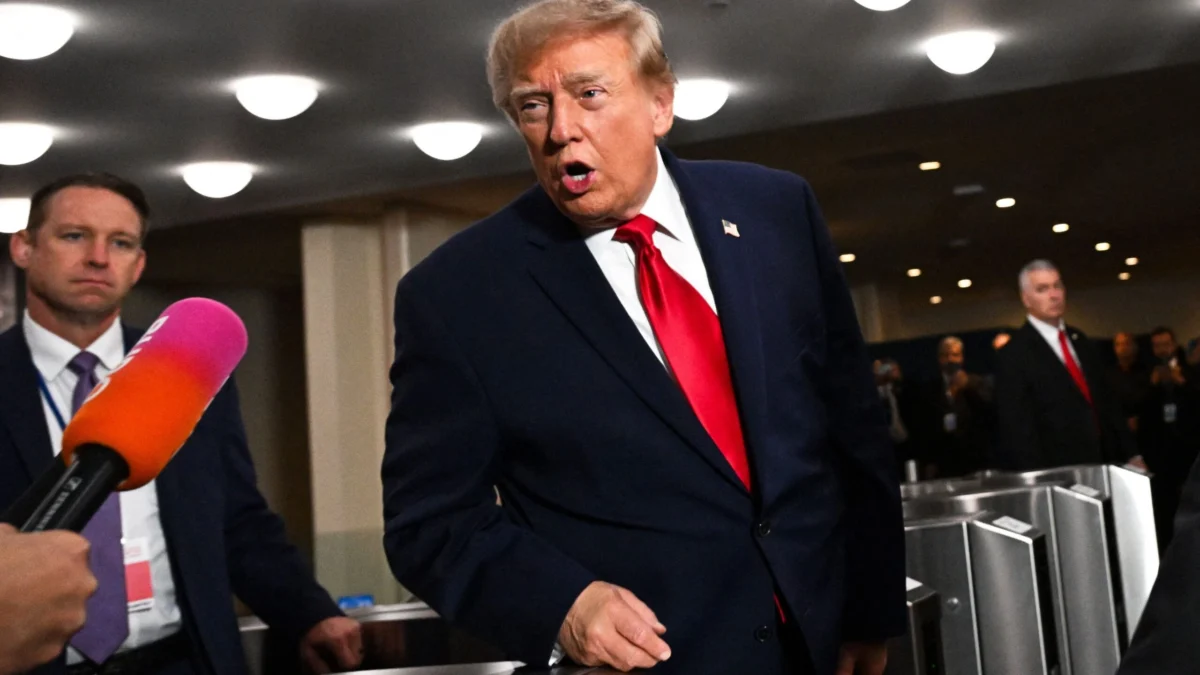
NEW YORK – As world leaders gather at the United Nations General Assembly in New York, the shadow of a widening Middle East conflict has dominated the diplomatic agenda. Recent reports confirm that U.S. representatives have engaged in high-level, clandestine discussions with Iranian counterparts, marking a potential, albeit fragile, turning point in a geopolitical standoff that has crippled global shipping lanes and escalated regional hostilities.
The diplomatic maneuvering occurs against a backdrop of severe military posturing, with the Strait of Hormuz effectively locked down and humanitarian crises mounting in Gaza. While U.S. President Donald Trump has characterized the recent three-hour meeting as "very good," the reality on the ground remains volatile, characterized by drone strikes, maritime blockades, and a hardening of positions by regional powers.

1. The Core Facts: A Cautious Diplomatic Opening
On the sidelines of the UN General Assembly, U.S. officials—reportedly including Chief Negotiator Steve Witkoff and presidential advisor Jared Kushner—met with Iranian Foreign Minister Abbas Araghchi. The talks, facilitated by mediators from Qatar and Pakistan, represent the first direct contact between the two nations since the collapse of interim peace efforts in July.
President Trump, speaking to reporters in New York, suggested that the dialogue focused on creating a roadmap for a formal agreement. While Trump remained optimistic, signaling that further meetings are imminent, the Iranian leadership has maintained a dual-track strategy. On one hand, Tehran has hinted at a willingness to reopen the vital Strait of Hormuz; on the other, it has issued aggressive warnings regarding "new geography" in the war should military pressure from Washington continue.

The core of the proposed negotiation appears to involve a multi-billion-dollar reconstruction fund for Middle Eastern energy infrastructure, aimed at reducing regional reliance on the Strait of Hormuz—a strategic vulnerability that has been exploited by Iranian-backed forces for months.
2. Chronology of Escalation: From Local Skirmish to Global Crisis
The current crisis did not emerge in a vacuum. The timeline of the last several weeks reveals a rapid deterioration of regional stability:
- February 28: The formal outbreak of open hostilities between the U.S., Israel, and Iran, following months of proxy friction.
- September 13: A significant turning point occurs when the Houthi militia, an Iranian proxy, executes precision drone strikes on Saudi Arabia’s critical East-West pipeline. This forces an immediate shutdown of the facility and spikes global oil markets.
- September 16: Iran transmits a new diplomatic proposal to Washington via third-party intermediaries, setting the stage for the current UN discussions.
- Late September (Current): Ongoing skirmishes in the Bab al-Mandab Strait and the Gulf of Oman persist. Despite the ongoing talks in New York, a tanker was struck by a projectile while entering the Persian Gulf, injuring two crew members and underscoring the limitations of current diplomatic leverage.
3. Supporting Data: The Economic Toll of Blockades
The conflict has transformed from a military dispute into an economic war of attrition. The Strait of Hormuz, through which approximately one-fifth of the world’s oil and liquid natural gas (LNG) passes, has seen a collapse in commercial traffic.
- Shipping Volume: Before the escalation, the Strait saw an average of 125 large commercial vessels daily. Current data indicates that volume has plummeted, with only a dozen raw material freighters passing through on the most recent weekend.
- Saudi Export Pivot: Saudi Aramco, in response to the sabotage of its East-West pipeline, has been forced to shift export routes, leading to significant volatility in daily export barrels. Satellite tracking indicates that while some tankers are moving with transponders disabled, the overall flow remains strained.
- Humanitarian and Infrastructure Costs: QatarEnergy has officially warned that the closure of the Strait is delaying critical infrastructure projects. The inability to import specialized equipment threatens to stall the North Field East (NFE) and North Field South (NFS) expansion projects, which were slated for completion between 2027 and 2028.
4. Official Responses and Global Reaction
The international response to the mounting tension has been a mixture of urgent condemnation and desperate calls for de-escalation.
UN Secretary-General António Guterres:
Opening the UN General Assembly, Guterres delivered a blunt assessment of the situation in the Middle East. Describing the current state of affairs as "enough is enough," he condemned the failure of ceasefire agreements, noting that current truces serve merely as "less shelling" rather than genuine peace, while civilians continue to bear the ultimate cost.
French President Emmanuel Macron:
Macron offered a stinging critique of the ongoing situation in Gaza, directly challenging the narrative presented by the U.S. administration. "Should we look at this spectacle that shames us all? Never," he declared, questioning the efficacy of the current "peace" efforts which have failed to reopen humanitarian corridors for even a single second.

The Emir of Qatar:
Representing a key mediator in the conflict, the Emir of Qatar, Tamim bin Hamad, called for an immediate Israeli withdrawal from Gaza. He criticized inflammatory rhetoric from Israeli political figures regarding the displacement of the Gazan population, arguing that such positions serve as the primary barrier to improving the lives of Palestinians.
The Turkish Perspective:
Turkish Foreign Minister Hakan Fidan stated that the crisis is "economically unsustainable." Addressing the involvement of Saudi Arabia, Fidan noted that the Kingdom has no desire to be a combatant in a U.S.-Iran war and that Turkey is currently evaluating a trilateral defense pact with Pakistan to assist in regional stabilization.

5. Strategic Implications and Future Outlook
The path forward is fraught with systemic risks. The U.S. government’s latest strategy, as outlined by Treasury Secretary Scott Bessent, involves a "global isolation" of the Iranian aviation sector. By threatening third-party states with exclusion from the U.S. dollar system if they provide services or fuel to Iranian airlines, the U.S. is attempting to tighten the economic vice on Tehran.
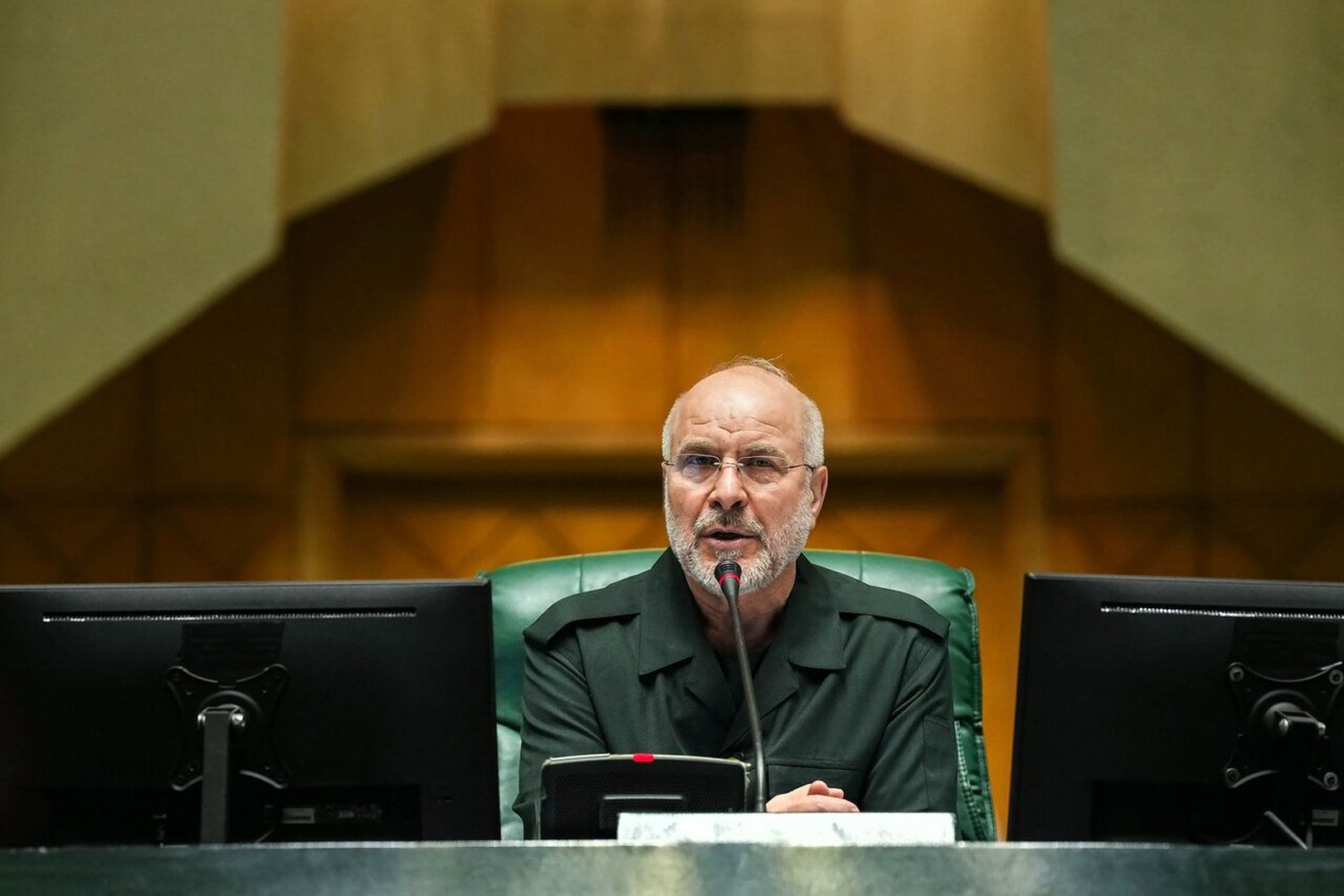
However, the Iranian regime appears prepared for a long-term engagement. Their military officials, particularly within the Revolutionary Guard, have threatened to expand the "geography of the war" to areas previously untouched by the conflict. This signals that any diplomatic breakthrough in New York must address not just maritime access, but the broader regional security architecture.

The Domestic Crackdown
While the diplomatic dance continues in New York, the internal situation in Iran remains severe. The Iranian judiciary has reported the seizure of assets from nearly 400 individuals labeled as "government critics" or "state enemies." By targeting the financial resources of activists and media personnel, the regime is signaling a domestic consolidation of power, further complicating the potential for meaningful long-term political reform.
Conclusion: A Fragile Equilibrium
The meeting between U.S. and Iranian representatives offers a flickering light of hope in a dark landscape. Yet, the disconnect between the optimistic tone of the diplomats in New York and the brutal reality of the maritime attacks and military threats in the Gulf is profound.

If the proposed five-billion-dollar energy infrastructure fund gains traction, it could provide the economic "carrot" necessary to stabilize the region. Conversely, if the cycle of retaliatory strikes continues to escalate, the prospect of a wider, more devastating conflict remains a distinct possibility. The coming weeks, as the UN assembly concludes, will be the ultimate test of whether diplomacy can prevail over the momentum of war.