

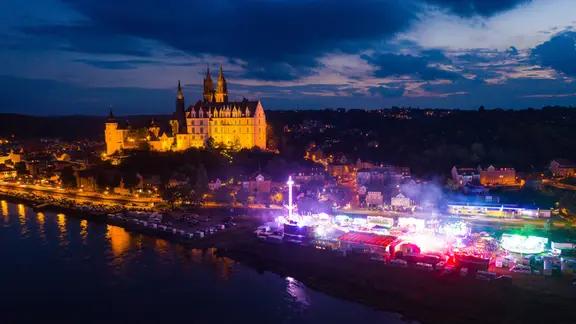
As the late summer sun casts its golden hue over the Elbe Valley, the historic towns of Meißen and Radebeul prepare for their most significant cultural event of the year. From September 18 to 20, 2026, these twin bastions of Saxon viticulture will host their annual wine festivals, drawing thousands of visitors to celebrate not just the harvest, but the enduring spirit of one of Germany’s smallest and most picturesque wine-growing regions.
The festivals are more than mere celebrations of the vine; they are intricate tapestries of local history, performing arts, and community identity. With the Albrechtsburg castle looming over the festivities in Meißen and the historic charm of the village green in Radebeul-Kötzschenbroda serving as the backdrop for the other, this weekend promises a deep dive into the heart of Saxony.
Main Facts: What Visitors Need to Know
The weekend of September 18–20 marks a pinnacle in the Saxon tourism calendar. Whether you are a connoisseur of rare white wines or a family looking for cultural entertainment, the festivals offer distinct experiences.
The Meißen Experience
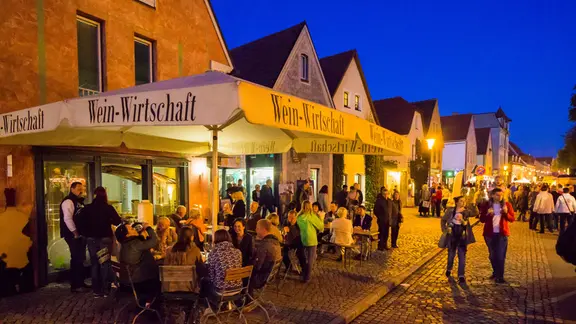
Meißen, world-renowned for its porcelain, transforms its entire Old Town into a sprawling festival ground. With over 20 distinct venues, the city offers a diverse musical program ranging from jazz and funk to pop and rock. The highlight for many is the traditional grand parade on Sunday morning, where local vintners, civic guilds, and regional businesses display the pride of their trade.
The Radebeul Atmosphere
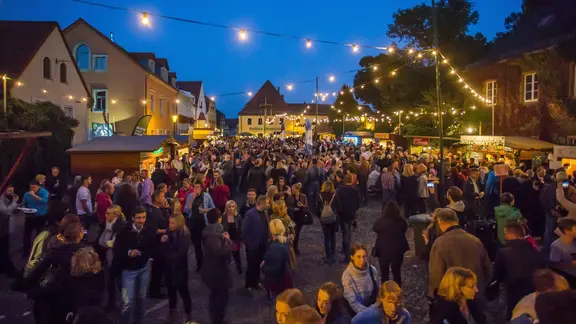
In contrast, Radebeul—often referred to as the "Saxon Nice"—focuses its energy on the historic Altkötzschenbroda village square. The atmosphere here is one of bohemian flair, anchored by the prestigious International Wandertheaterfestival (Traveling Theater Festival). It is a place where wine, culture, and history intersect, offering visitors a more intimate, albeit bustling, experience centered around the village’s iconic streuobstwiesen (meadow orchards).
Chronology of Events
Planning your visit requires a strategic approach, as the festivities kick off simultaneously but evolve differently throughout the weekend.
Friday: The Grand Opening
- Meißen: The festivities officially commence at 7:00 PM on the historic Marktplatz. However, the energy starts building earlier in the afternoon at the Kleinmarkt and the theater district.
- Radebeul: The gates open at 5:00 PM. The evening is marked by the opening of the medieval market behind the parish courtyard, setting a historical tone for the weekend.
Saturday: Peak Celebration
Saturday is the day for immersion. In Meißen, the evening reaches a crescendo with a variety of live music performances, including a highly anticipated tribute to Roland Kaiser, ensuring the streets remain vibrant well into the night. In Radebeul, the Theater Festival moves into high gear, with international troupes performing in open-air settings, inviting the audience to vote for their favorites to determine the winner of the prestigious Wandertheater Prize.
Sunday: The Grand Finale
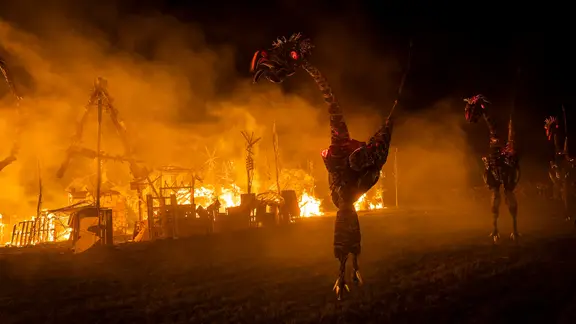
Sunday morning in Meißen belongs to the grand parade (10:00 AM – 12:00 PM), a spectacle of decorated wagons and local tradition. As the sun sets, the festival concludes with the dramatic "Fackelschwingen" (torch-swinging) ceremony followed by a grand fireworks display over the Elbe. Radebeul keeps a steady pace, with family-oriented craft workshops and final theatrical performances concluding the weekend on a reflective, artistic note.
Supporting Data: The Art of the Harvest
The foundation of these festivals is the wine itself. Saxony is a region defined by its marginal climate, which produces wines of remarkable acidity and mineral complexity.
The Vintners’ Offering
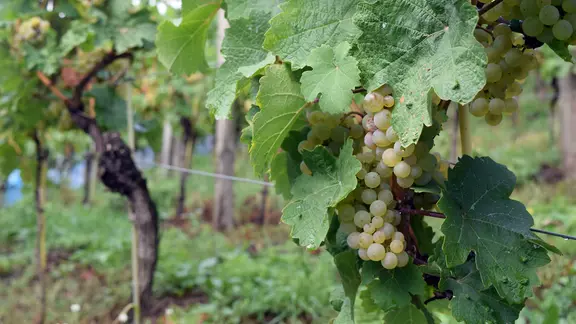
In Meißen, the focus is strictly on regionality. The event organizers have confirmed that virtually every major Saxon winemaker will be represented, alongside a selection from the partner city of Fellbach. This provides a rare opportunity to sample wines from the Elbe Valley in one concentrated location.
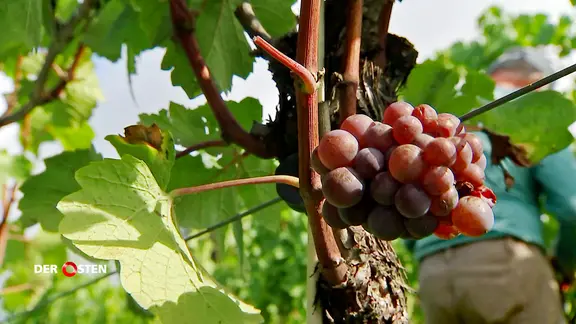
Radebeul boasts a selection of over 200 distinct wines. With 28 dedicated vintner stalls, visitors can engage directly with the producers. A staple of the event is the Federweißer—the partially fermented, effervescent new wine that defines the harvest season. These offerings are sourced from both the Saxon and the Saale-Unstrut growing regions, allowing for a comparative tasting experience that is rarely available outside of these festivals.
Official Responses and Organizational Logistics
Organizing an event of this magnitude requires seamless cooperation between municipal authorities, transit agencies, and local businesses.
Transportation and Accessibility
The consensus among organizers is clear: leave the car at home. The "Netzwerkbahn Sachsen" has introduced special services for this year’s festivals, connecting towns like Döbeln, Roßwein, and Nossen directly to the festival hubs. The S-Bahn service between Dresden and Meißen, passing through Radebeul-Kötzschenbroda, will run at 30-minute intervals throughout the weekend.
For those traveling within the city, the transport authority (VVO) has scheduled additional late-night services to ensure that all attendees can return home safely. Both cities warn of limited parking, citing that the sheer volume of visitors renders private vehicle travel an exercise in frustration.
Admission Policies
A notable difference between the two festivals lies in their financial structure:
- Meißen: Remains committed to a policy of free admission to the festival grounds, relying on the local economy and vendor participation to sustain the event.
- Radebeul: While Friday evening is free, Saturday and Sunday require tickets. The revenue generated from these tickets is directly reinvested into the International Wandertheaterfestival, ensuring the high quality of the international acts.
Implications: The Cultural and Economic Impact
The festivals in Meißen and Radebeul are not merely hedonistic celebrations; they are vital economic engines for the Elbe Valley.
Economic Vitality
The wine industry in Saxony has faced significant challenges in recent years, from climate-driven weather volatility to the increasing labor demands of steep-slope viticulture. Despite these hurdles, production levels have seen a resilient uptick compared to other German wine regions. The festivals provide a crucial direct-to-consumer platform for these small-scale, artisanal wineries to reach a broader audience, bridging the gap between historical tradition and modern commercial viability.
The Evolution of the "Wine Experience"
The shift toward integrating theater, art, and historical reenactment—particularly in Radebeul—reflects a broader trend in German cultural tourism. The modern visitor is no longer satisfied with a glass of wine alone; they seek a "total experience." By blending the sensory pleasure of viticulture with the intellectual and aesthetic engagement of the performing arts, the region is successfully branding itself as a year-round destination for sophisticated travelers.
A Look Toward the Future
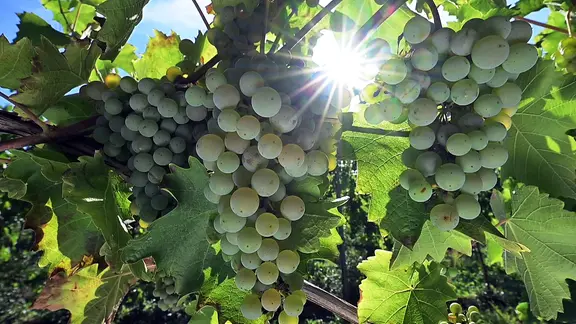
As the 2026 harvest approaches, there is a palpable sense of optimism. The focus on sustainability, the preservation of ancient terrace vineyards, and the commitment to regional talent ensure that these festivals remain authentic. They serve as a testament to the fact that while the climate may change and the world may modernize, the core identity of the Saxon Elbe Valley—centered on the vine and the community—remains as robust as the wines produced on its hillsides.
Final Thoughts for the Traveler
Whether you are walking the historic streets of Meißen beneath the gaze of the Albrechtsburg or enjoying a glass of crisp Müller-Thurgau in a Radebeul orchard, these festivals offer a unique lens through which to view German culture. They are celebrations of resilience, craftsmanship, and the simple joy of sharing the fruits of a year’s hard labor.
Pack comfortable walking shoes, prepare your palate for the delicate complexities of Saxon white wine, and immerse yourself in one of the most charming traditions that the heart of Germany has to offer.
For detailed programs and ticketing information, visitors are encouraged to consult the official municipal websites for both Meißen and Radebeul, where real-time updates on weather, transport, and event schedules will be posted throughout the festival weekend.