
Washington D.C., September 16, 2026 – The eyes of the financial world converge on Washington D.C. today as the Federal Reserve, the United States’ central bank, prepares to announce a decision on its benchmark interest rate. The announcement, expected later this afternoon, is widely anticipated to be one of the most consequential in recent memory, coming amidst persistently high inflation, a robust yet uncertain economic landscape, and unprecedented political pressure from the White House.
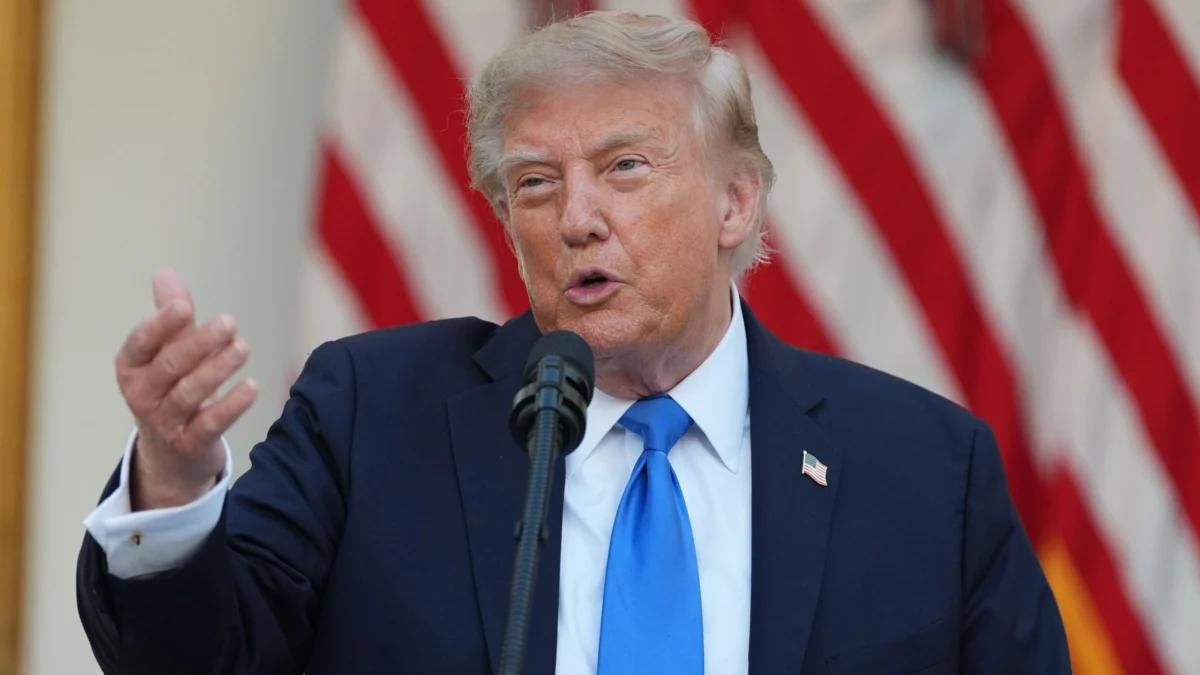
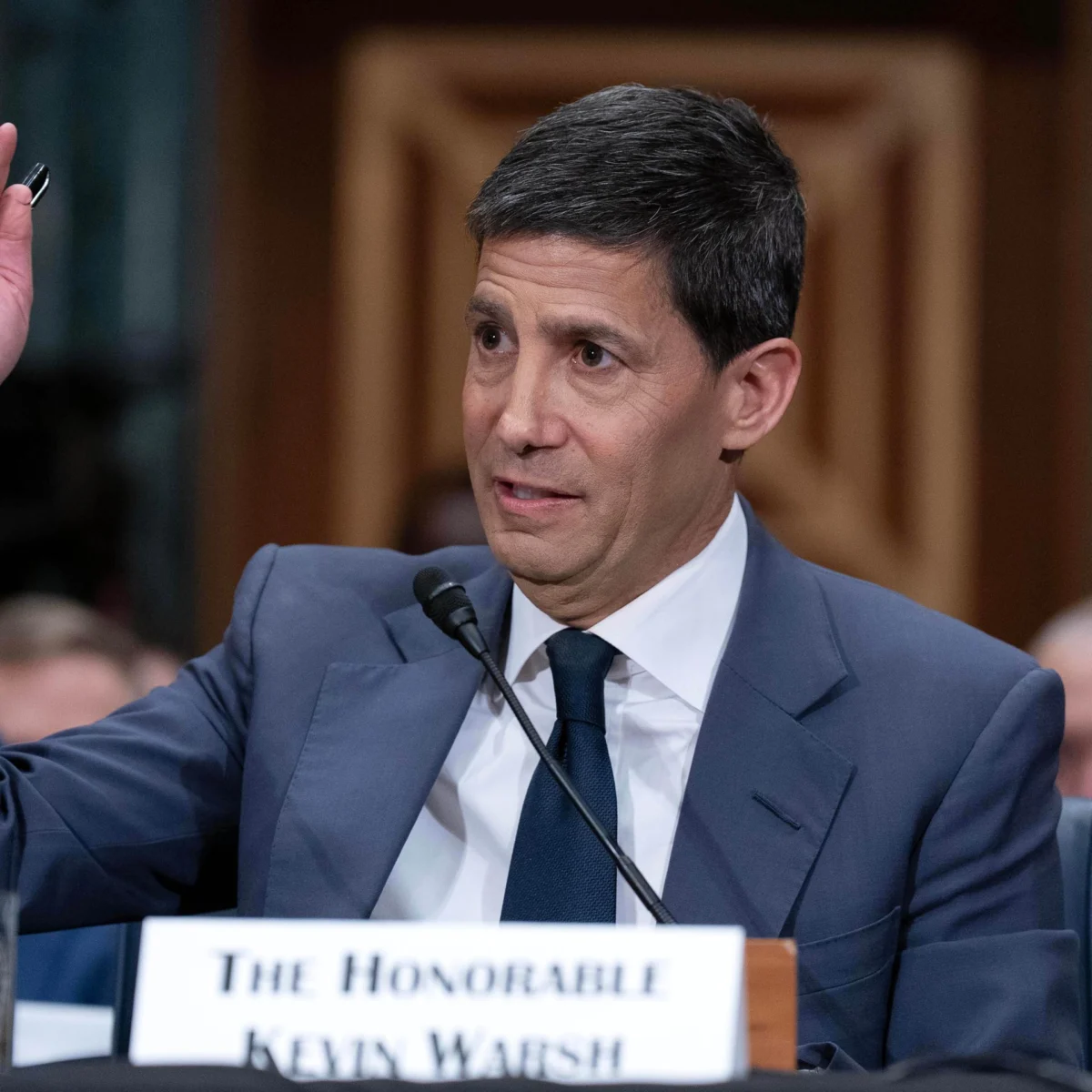
Led by Chairman Kevin Warsh, the Federal Open Market Committee (FOMC) faces a delicate balancing act. On one side, a chorus of economists and market analysts is advocating for an interest rate hike, arguing it is a necessary measure to rein in consumer prices that continue to erode purchasing power. On the other, President Donald Trump, a vocal critic of higher borrowing costs, has repeatedly called for lower rates, injecting a potent political dimension into what is traditionally an independent economic deliberation.
Since taking the helm in May of this year, Chairman Warsh, a former investment banker and a nominee of President Trump, has navigated a period of stability in monetary policy. For the past five consecutive meetings, the FOMC has maintained the federal funds rate target range at 3.5% to 3.75%. However, the economic data accumulating since the last meeting, particularly stubborn inflation figures, has intensified speculation that this streak of inaction may be nearing its end. The impending decision will not only shape the trajectory of the U.S. economy but also critically test the perceived independence of the Federal Reserve under its new leadership.
The Core Dilemma: Inflation vs. Economic Growth
At the heart of today’s decision lies the Federal Reserve’s dual mandate: to achieve maximum employment and maintain price stability. While the U.S. labor market has shown remarkable resilience, with unemployment rates hovering near historical lows, the battle against inflation has proven far more protracted than many policymakers initially predicted. The Consumer Price Index (CPI) has remained elevated, consistently exceeding the Fed’s long-term target of 2%. This sustained upward pressure on prices has sparked concerns about the erosion of household savings and the potential for an inflationary spiral.
Economists advocating for a rate hike argue that delaying action risks entrenching inflation expectations, making it even harder to bring prices under control in the future. They point to robust consumer spending and strong wage growth, suggesting the economy can withstand a modest tightening of monetary policy without derailing job creation. Conversely, those urging caution or even a rate cut, including the President, contend that higher interest rates could stifle economic growth, increase the cost of borrowing for businesses and consumers, and potentially trigger a recession, thereby undermining the gains made in employment. The decision today will reveal which of these compelling arguments has swayed the FOMC’s collective mind.
Chronology of a Tense Economic Era
The road to today’s pivotal decision has been paved with shifting economic winds, evolving monetary policy, and persistent political discourse.
Pre-Warsh Era and the Inflationary Surge (2020-2025): The roots of the current inflationary challenge can be traced back to the unprecedented fiscal and monetary stimulus deployed during and after the global pandemic. Supply chain disruptions, surging demand for goods, and geopolitical events, particularly the ongoing energy market volatility, combined to ignite a period of rapid price increases. Under the previous Fed leadership, a series of aggressive rate hikes were initiated to combat this inflation, bringing the federal funds rate from near zero to its current level of 3.5-3.75%. This period was marked by a gradual tightening, with the Fed aiming for a "soft landing" – bringing inflation down without triggering a recession.
Trump’s Renewed Economic Focus and Fed Scrutiny (2025-2026): Following his re-election, President Trump quickly renewed his focus on economic growth, often linking it to low interest rates. His administration consistently championed policies aimed at stimulating business activity and reducing the cost of capital. This stance inherently placed him at odds with the Fed’s inflation-fighting mandate when it called for higher rates. Throughout late 2025 and early 2026, the President intensified his public criticism of the central bank, asserting that higher rates were unnecessarily impeding economic expansion and making U.S. exports less competitive.
The Appointment of Chairman Warsh (May 2026): The nomination and subsequent confirmation of Kevin Warsh marked a significant shift in the leadership of the Federal Reserve. Warsh, a former member of the Federal Reserve Board of Governors during the 2008 financial crisis, brought a background rooted in investment banking and a reputation for intellectual rigor. His appointment, however, was not without controversy, with some critics raising concerns about his past advocacy for unconventional monetary policy approaches and the potential for political influence given his direct nomination by President Trump. During his confirmation hearings, Warsh emphasized the Fed’s independence and its commitment to its dual mandate, though he also acknowledged the need for flexible policy responses to dynamic economic conditions.
Five Meetings of Stasis (May-September 2026): Since Chairman Warsh assumed his role, the FOMC has opted for a period of stability, holding the interest rate range steady at 3.5% to 3.75%. This decision reflected a cautious approach, with the committee seemingly assessing the cumulative impact of previous rate hikes and observing how the economy adjusted. The rationale often cited included the time lag inherent in monetary policy transmission, the desire to avoid overtightening, and a wait-and-see approach regarding the persistence of inflationary pressures. However, this period of inaction also led to growing frustration among some market participants and economists who felt the Fed was falling behind the curve in tackling inflation. Today’s decision breaks this five-meeting streak of inaction, regardless of whether it’s a hike, cut, or a continued hold, due to the intense scrutiny and heightened expectations.
Supporting Data: A Mixed Economic Picture
The economic data influencing the Fed’s decision presents a nuanced and, at times, contradictory picture, underscoring the complexity of the current economic environment.
Inflationary Pressures:
- Consumer Price Index (CPI): The latest CPI report indicated an annual inflation rate of 4.8% for August, remaining significantly above the Fed’s 2% target. Core CPI, which excludes volatile food and energy prices, also remained elevated at 4.2%, suggesting broad-based price increases rather than isolated shocks.
- Personal Consumption Expenditures (PCE) Price Index: The Fed’s preferred inflation gauge, the PCE price index, registered a 4.5% year-over-year increase, with core PCE at 4.0%. While slightly lower than CPI, these figures still signal persistent inflationary trends.
- Wage Growth: Average hourly earnings continued to rise robustly, up 5.1% year-over-year. While beneficial for workers, this strong wage growth fuels concerns about a potential wage-price spiral, where rising wages lead to higher production costs, which in turn push prices up further.
- Producer Price Index (PPI): The PPI, an indicator of wholesale inflation, showed a 6.2% increase, suggesting that businesses continue to face elevated input costs, which are often passed on to consumers.
Labor Market Strength:
- Unemployment Rate: The unemployment rate has remained remarkably low at 3.6%, demonstrating a tight labor market.
- Job Growth: Non-farm payrolls have consistently shown solid gains, averaging over 200,000 new jobs per month over the last quarter, indicating continued robust hiring.
- Job Openings: The number of job openings remains high, signaling strong labor demand, although there has been a slight moderation from peak levels.
Economic Growth and Activity:
- Gross Domestic Product (GDP): The U.S. economy recorded an annualized GDP growth rate of 2.8% in the second quarter of 2026, a healthy figure, albeit slightly below some earlier projections.
- Retail Sales: Consumer spending, a major driver of the U.S. economy, has shown resilience, with retail sales figures indicating continued demand for goods and services, despite elevated prices.
- Housing Market: The housing market, sensitive to interest rates, has seen a slowdown in sales but home prices have remained stubbornly high, supported by limited inventory and persistent demand. A rate hike would further cool this sector.
- Manufacturing Output: Manufacturing activity has shown mixed signals, with some sectors experiencing growth while others contend with higher input costs and softening global demand.
Market Expectations:
- Futures Markets: Interest rate futures markets indicate a roughly 60% probability of a 25-basis point rate hike today, with a 35% chance of a hold and a small, but not insignificant, 5% chance of a cut. This reflects the uncertainty and divided opinion among investors.
- Analyst Consensus: Many leading financial institutions and economic consultancies are leaning towards a modest rate increase, citing the need to reassert the Fed’s commitment to price stability.
Official Responses: A Clash of Ideologies
The run-up to today’s decision has been marked by a discernible tension between the Federal Reserve’s mandate for independence and the executive branch’s desire for specific economic outcomes.
The Federal Reserve’s Stance (Under Warsh): While Chairman Warsh has maintained a measured public persona, his statements, and those of other FOMC members, have consistently reiterated the Fed’s commitment to its dual mandate. In his most recent public address prior to the quiet period, Warsh stated, "Our decisions are and will remain data-dependent, guided by our statutory objectives of maximum employment and price stability. We understand the challenges facing American families and businesses, and our actions will be carefully considered to foster a strong and stable economy for all." This suggests a focus on inflation data while also acknowledging the potential impact on employment. Internally, reports suggest a robust debate within the FOMC, with some "hawks" pushing for immediate action on inflation and some "doves" advocating for patience to avoid stifling growth. The committee’s decision today will reflect the consensus reached from these internal deliberations.
President Trump’s Vehement Opposition: President Trump has been unequivocal in his demands for lower interest rates. In recent weeks, he has taken to social media and public rallies to decry the current rate levels, often describing them as "too high" and "holding back our incredible economy." He has frequently argued that higher rates strengthen the dollar, making American exports more expensive and widening trade deficits. "We have the greatest economy in the history of the world, but the Fed keeps raising rates, making it harder for our businesses to compete and for people to buy homes," the President tweeted last week. "They should be cutting rates, not raising them! Let’s unleash the full potential of America!" His repeated interventions represent a departure from the traditional respect for central bank independence, putting Chairman Warsh in a uniquely challenging position to balance economic necessity with political pressure.
Treasury Department and Administration: While the Treasury Department generally refrains from directly commenting on specific Fed decisions, Secretary of the Treasury, Michael Flynn, has echoed the administration’s broader economic narrative, emphasizing the importance of sustained growth and job creation. In recent remarks, Flynn highlighted the robust performance of the U.S. economy, suggesting that current policies were already effective and did not require restrictive monetary measures. This provides a subtle, yet clear, backing for the President’s stance on interest rates.
Implications: Far-Reaching Consequences
The decision announced today by the Federal Reserve carries profound implications, not only for the American economy but for global markets and the very integrity of central bank independence.
For the U.S. Economy:
- Inflation: A rate hike would signal the Fed’s determination to bring inflation down, potentially dampening consumer and business spending by making borrowing more expensive. This could lead to a cooling of demand, eventually alleviating price pressures. A hold might be interpreted as the Fed giving inflation more time to subside naturally, while a cut would be seen as highly stimulative, potentially exacerbating inflationary trends.
- Consumers: Higher rates mean increased costs for mortgages, credit cards, and auto loans. While savers might benefit from higher yields, the overall impact on household budgets would likely be negative, especially for those with variable-rate debt.
- Businesses: Companies would face higher borrowing costs for investment, expansion, and operational needs. This could slow hiring and capital expenditure, impacting corporate profits and overall economic growth.
- Stock Market: Equity markets are highly sensitive to interest rate changes. A hike could lead to a sell-off as higher borrowing costs reduce future earnings expectations and make bonds more attractive relative to stocks. A hold or cut, conversely, might initially be cheered by investors, though concerns about inflation could temper enthusiasm.
- Housing Market: Already showing signs of cooling, a rate hike would likely further dampen demand, potentially leading to price stabilization or even modest declines in some regions, making homeownership less accessible for some.
- Employment: While the labor market is strong, an aggressive series of rate hikes could eventually lead to a slowdown in job growth or even an increase in the unemployment rate, as businesses cut back. This is the "maximum employment" side of the Fed’s dual mandate that must be carefully considered.
For President Trump and Political Landscape:
The decision will inevitably be viewed through a political lens. If the Fed hikes rates, it will directly defy the President’s stated preferences, potentially escalating tensions between the executive branch and the independent central bank. This could further fuel President Trump’s criticism of the Fed, raising questions about its autonomy. Conversely, if the Fed holds or, less likely, cuts rates, it could be perceived by some as succumbing to political pressure, potentially undermining the Fed’s credibility and long-term independence.
For Kevin Warsh and the Fed’s Independence:
Chairman Warsh’s nascent tenure is facing an early and critical test. His ability to steer the Fed through this period of intense political scrutiny while maintaining a focus on economic fundamentals will define his leadership. The decision today will be a strong indicator of his resolve to uphold the institution’s independence, a cornerstone of effective monetary policy. Any perception of political interference could weaken investor confidence in the Fed’s future decisions, making its job of managing the economy far more difficult.
Global Impact:
The U.S. dollar, as the world’s primary reserve currency, is significantly impacted by Fed policy. A rate hike would likely strengthen the dollar, making U.S. exports more expensive and imports cheaper. This could create headwinds for emerging markets, making dollar-denominated debt more expensive to service and potentially leading to capital outflows from these economies. Other central banks globally will be closely watching the Fed’s move, as it could influence their own monetary policy decisions.
Future Outlook:
Regardless of today’s specific outcome, the Federal Reserve’s journey to achieve both price stability and maximum employment remains complex. Future decisions will continue to be heavily influenced by incoming data on inflation, employment, and global economic conditions. The market will be scrutinizing the accompanying statement for any forward guidance, attempting to discern the Fed’s future trajectory. The challenge for Chairman Warsh and the FOMC will be to communicate a clear, consistent, and independent monetary policy path in an environment of high economic uncertainty and intense political headwinds. The era of central bank independence, particularly in the U.S., is facing one of its most rigorous examinations in recent history.