
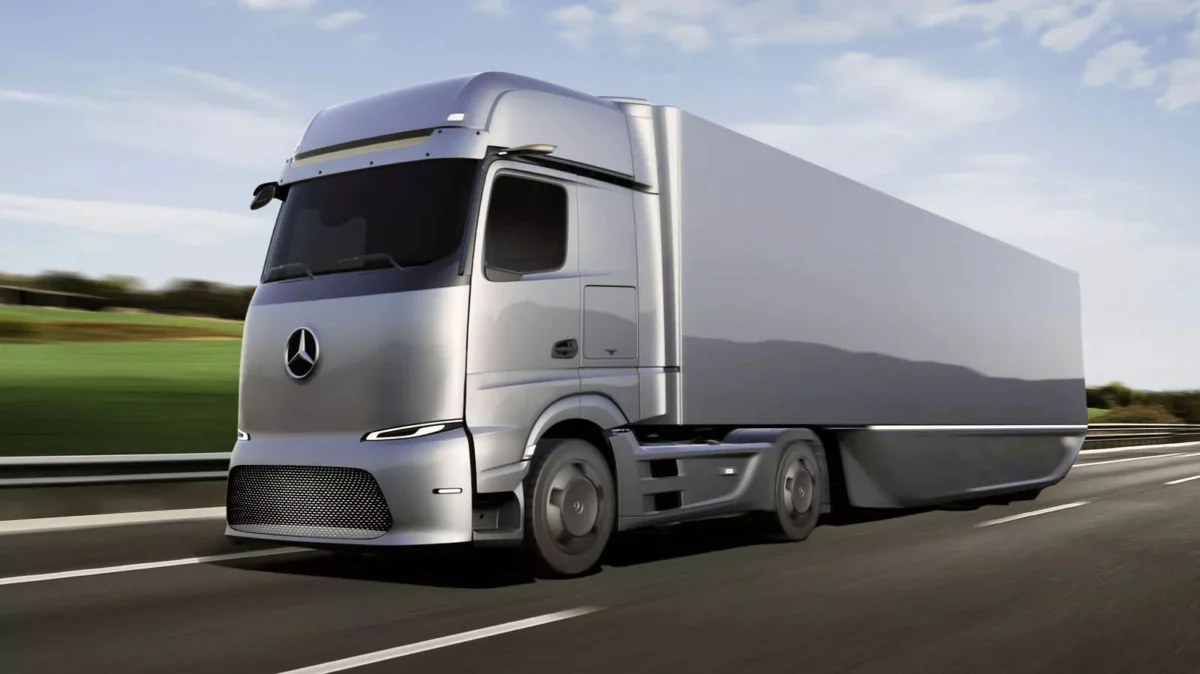
At the recent IAA Transportation trade fair in Hanover, the German Federal Ministry for Digital and Transport (BMV) officially unveiled a landmark initiative that could redefine European logistics: the rollout of a comprehensive, nationwide fast-charging network specifically tailored for heavy-duty electric trucks. With an investment of approximately one billion euros, the German government is signaling a decisive shift toward decarbonizing the transport sector, aiming to secure the operational viability of zero-emission freight by 2030.
The announcement, delivered by Federal Transport Minister Steffen Bilger alongside VDA President Hildegard Müller and BGL board spokesperson Prof. Dr. Dirk Engelhardt, marks the transition from pilot projects to industrial-scale infrastructure deployment. As the logistics industry faces mounting pressure to meet aggressive EU CO2 reduction targets, this network is intended to serve as the backbone of a sustainable supply chain.
The Infrastructure Blueprint: MCS and CCS Integration
The strategic plan targets the installation of approximately 4,200 high-power charging points across 350 strategic locations along Germany’s extensive federal motorway (Autobahn) network by 2030. This infrastructure is not a "one-size-fits-all" solution but a hybrid approach designed to accommodate the varying needs of the logistics sector.
The network will be divided into two primary technology tiers:
- Megawatt Charging System (MCS): Comprising 1,800 points, this cutting-edge technology is the "holy grail" of heavy-duty transport. Capable of delivering over one megawatt of power, MCS allows massive 44-ton trucks to charge in 20 to 45 minutes, effectively matching the duration of mandatory driver rest periods.
- Combined Charging System (CCS): Comprising 2,400 points, these chargers will serve as a reliable foundation for trucks with smaller battery capacities or those requiring longer, overnight charging sessions.
By integrating both systems, the federal government aims to ensure that the infrastructure is versatile enough to support both rapid "opportunity charging" during the workday and slower, cost-effective charging during mandatory overnight stops.
Chronology and Implementation: A Multi-Phase Rollout
The implementation of this network is being managed by the Autobahn GmbH des Bundes, which has already reached a significant milestone. In late June 2026, the first phase of contracts was awarded for 836 charging points across 124 unmanaged rest areas. This initial deployment includes 447 MCS points and 389 CCS points.
To mitigate the risk of market monopolization and ensure operational resilience, the contracts were split into five overlapping lots. This strategy ensures that multiple operators—including eliso Voltix Truck Charging GmbH, autostrom.plus GmbH, Electric Mobility Infrastructure Deutschland GmbH, the STRA-loaded consortium, and the E.ON Drive & mblty joint venture—are involved. By diversifying the operators, the government aims to create a competitive landscape that drives service quality and prevents single-point-of-failure scenarios.
Looking ahead, the ministry is already preparing the second phase of the project, which will target approximately 225 managed rest areas. This phase will be significantly more complex, as it involves integrating charging hubs into existing service stations, restaurants, and parking facilities.
Supporting Data: The Energy Challenge
The ambition of the project is matched only by the scale of its technical requirements. According to the National Centre for Charging Infrastructure, the projected energy demand for electric trucks by 2030 will reach nearly 14 gigawatts.
For high-traffic hubs, standard grid connections will be insufficient. Studies indicate that by 2035 at the latest, these sites will require direct connections to the high-voltage grid to handle the immense power draw. Dirk Brandenburger, Technical Director of the Autobahn GmbH, confirmed that grid connection applications for the first phase were submitted as early as 2024, highlighting the long lead times required for energy infrastructure expansion.
However, there remains a significant debate regarding the sufficiency of the government’s target. While the federal plan targets 1,800 MCS points, the German Association of the Automotive Industry (VDA) estimates a total demand of 4,000 public MCS points within Germany alone to meet the needs of the growing e-truck fleet. This implies that the government’s network is merely the "public backbone," and a substantial portion of the charging capacity will need to be provided by private investments in logistics centers, freight terminals, and industrial zones.
Official Responses and Industry Sentiment
The government’s initiative has been met with cautious optimism, though industry leaders emphasize that infrastructure is only half the battle.
"The ramp-up of e-mobility is progressing," Minister Bilger stated at the IAA. "A comprehensive, needs-based, and user-friendly charging infrastructure for e-trucks is a decisive factor in making electric mobility function in the daily routine of transport companies."
However, industry voices such as VDA President Hildegard Müller have raised concerns about the "chicken-and-egg" dilemma. She warned that if the infrastructure rollout lags behind vehicle availability, it will stifle sales of climate-friendly trucks. This creates an existential risk for manufacturers: if they cannot sell enough zero-emission vehicles to meet EU fleet targets, they face massive financial penalties—even if the vehicles are technically ready for the market.
This tension has led major players like Daimler Truck and the European Automobile Manufacturers’ Association (ACEA) to call for a recalibration of EU CO2 regulations, arguing that without a fully functional, continent-wide charging network, the current targets are functionally impossible to meet.
Technological Readiness: The Vehicles Are Coming
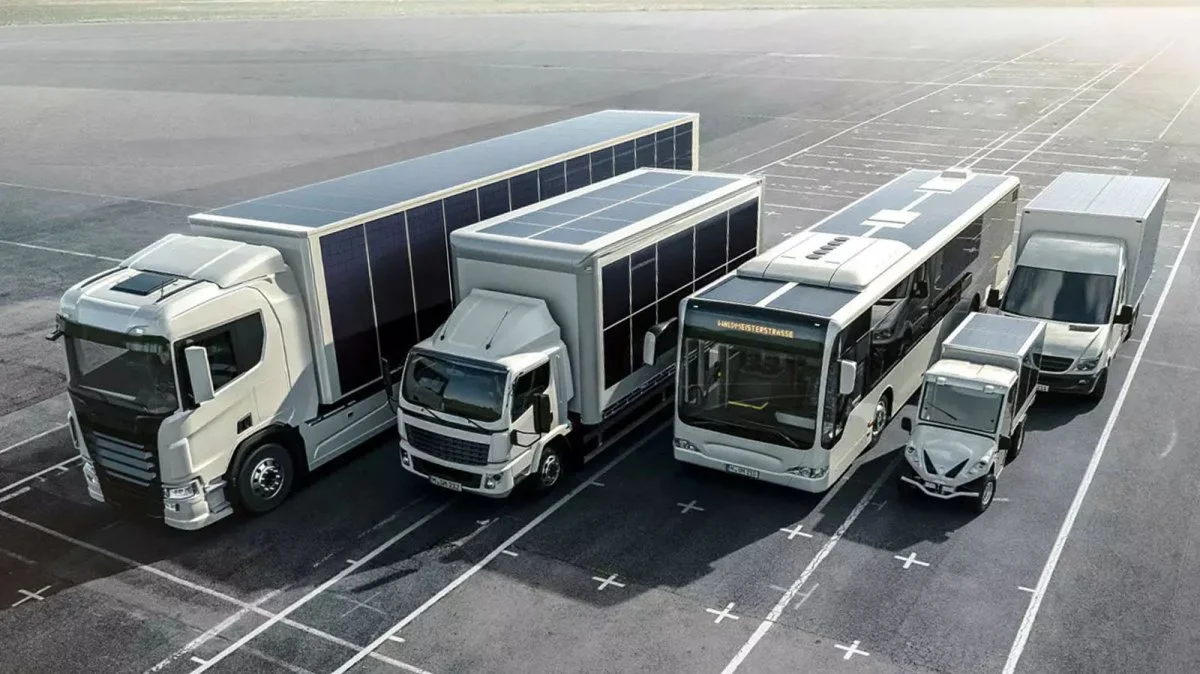
While the infrastructure is under construction, the vehicle market is surging. The IAA Transportation fair served as a showcase for the next generation of heavy-duty electric haulers.
- BYD introduced the ETT 44, a 44-ton tractor unit boasting a 600-kilometer range and the capability to accept MCS charging at over 1.5 megawatts.
- Tesla has confirmed plans to bring its Semi to the European market by 2027, promising a high-efficiency alternative for long-haul routes.
- Legacy Manufacturers such as Daimler Truck, MAN, Scania, and Volvo are already scaling up production of electric platforms, signaling that the supply side of the equation is rapidly maturing.
Broader Implications: The Road to 2030
Germany’s initiative is the most systematic attempt yet to address the "missing link" in the European green transition. While international efforts remain in their infancy—such as the Milence joint venture between Daimler Truck, Traton, and Volvo currently developing hubs in the Netherlands, Belgium, and Sweden—Germany’s centralized, state-supported approach represents a major shift in policy.
The success of this project will depend on three critical factors:
- Administrative Velocity: Expediting the complex planning and approval processes for high-voltage grid connections.
- Private Sector Synergy: Encouraging private companies to invest in secondary charging hubs to supplement the public network.
- Grid Resilience: Ensuring the German power grid can handle the localized load spikes caused by multiple high-power trucks charging simultaneously at a single site.
If successful, the project will not only secure Germany’s position as a leader in the logistics transition but also provide a scalable blueprint for the rest of the European Union. However, as the 2030 deadline looms, the speed of bureaucratic processes and the integration of the energy grid will be the ultimate arbiters of whether this ambitious plan succeeds or falls behind the rapid pace of the automotive market.
The transition to zero-emission freight is no longer a question of vehicle capability; it is a question of power, pace, and political will. Germany has now committed the capital; the task remains to turn those billions into working kilowatts on the road.