

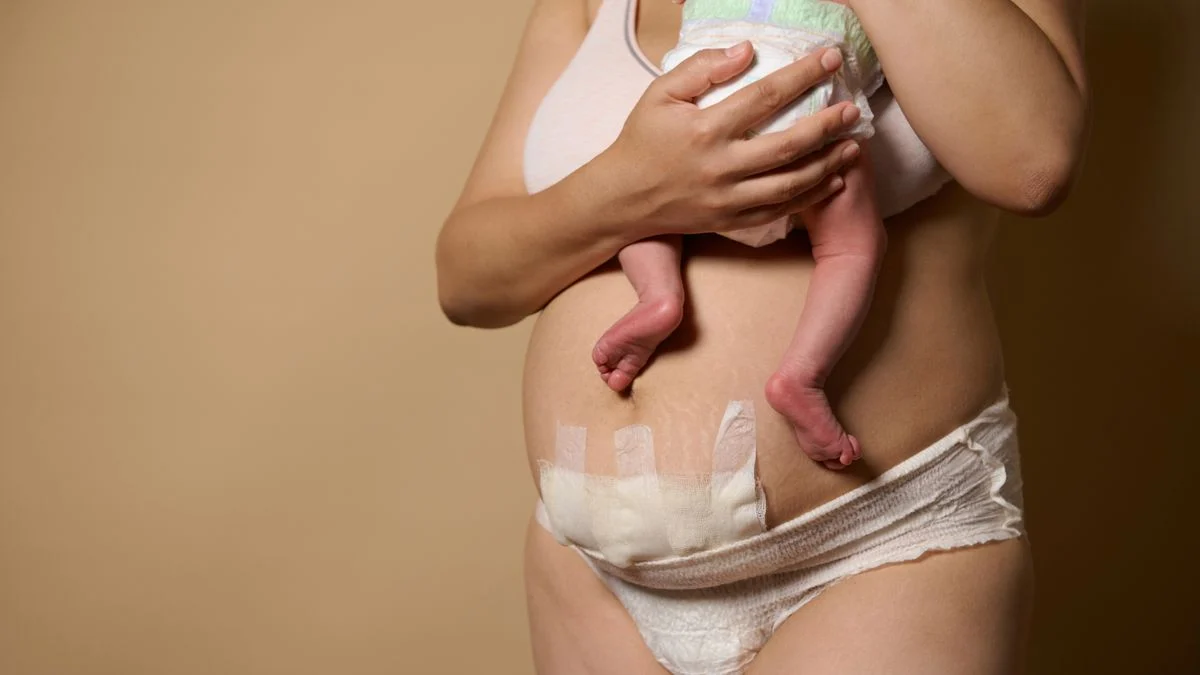
The landscape of modern obstetrics is undergoing a significant transformation as medical authorities refine the protocols surrounding cesarean sections. A new clinical guideline has been released, aiming to clarify when, why, and how these surgical interventions should be performed. For expectant parents, this shift represents a move toward more transparent, evidence-based decision-making.
Main Facts: Redefining the Standard of Care
The primary impetus behind the new clinical guidelines is the global rise in cesarean section rates, which has sparked intense debate within the medical community. While the C-section is a life-saving procedure when medically indicated, experts have long expressed concern that the rate of intervention in many developed nations has exceeded what is clinically necessary.
The new guidelines emphasize "patient-centered care," a philosophy that prioritizes informed consent and the active participation of the birthing person in the decision-making process. Key takeaways include:
- Evidence-Based Necessity: The guidelines clearly delineate the difference between elective procedures and those required due to fetal distress, cephalopelvic disproportion, or maternal health complications.
- The "Wait and See" Approach: There is a renewed focus on allowing labor to progress naturally when possible, provided the safety of both mother and child is not compromised.
- Supportive Environments: The guidance advocates for continuous emotional and physical support during labor, which has been shown to reduce the necessity of surgical intervention.
For parents, the most significant change is the emphasis on the "informed choice." The medical establishment is moving away from a paternalistic model of care toward one where the physician acts as an advisor, ensuring that parents understand the risks and benefits of both vaginal birth and surgical intervention.
Chronology: The Evolution of Obstetric Practice
To understand the current shift, one must look at the historical trajectory of childbirth medicine.
The Mid-20th Century: The Rise of Surgical Safety
In the mid-1900s, the development of antibiotics and advancements in anesthesia made the C-section significantly safer. What was once a procedure of last resort began to be utilized as a tool to prevent complications, leading to a steady climb in surgical births.
The 1990s and 2000s: The Era of Convenience and Fear
As medical technology improved, the threshold for performing a C-section dropped. Concerns regarding malpractice litigation and the desire to schedule births led to a surge in elective procedures. During this period, the "routine" C-section became a common occurrence in many hospitals.
The 2010s: Global Alarm
By 2015, the World Health Organization (WHO) issued a stark warning: the optimal C-section rate for a population is likely between 10% and 15%. In many regions, rates had climbed well above 30%. This sparked a decade of research, culminating in the current guidelines, which seek to recalibrate the balance between safety and unnecessary surgery.
The Present Day: Integrating New Protocols
The current guidelines are the result of years of peer-reviewed studies that analyzed outcomes for millions of births. The goal is now standardization—ensuring that a parent in a rural clinic receives the same evidence-based advice as one in a top-tier metropolitan university hospital.
Supporting Data: What the Numbers Tell Us
The data supporting these new guidelines is compelling. Researchers have consistently found that while C-sections save lives, the procedure carries inherent risks that are sometimes overlooked in the clinical rush to deliver.
Maternal Health Outcomes
Studies analyzed for the new guideline indicate that individuals who undergo C-sections face higher rates of postpartum infection, hemorrhage, and longer recovery times compared to those who deliver vaginally. Furthermore, the risk of placental complications in future pregnancies increases after a cesarean section.
Fetal Health Outcomes
For the infant, the transition through the birth canal is vital. Research suggests that the physical pressure of labor helps clear fluid from the infant’s lungs, and exposure to the mother’s microbiome during a vaginal birth plays a significant role in early immune system development. While these benefits do not outweigh the need for a C-section in emergency situations, they provide the basis for the current push to avoid unnecessary surgeries.
The Cost of Intervention
Economically, the disparity is stark. In many healthcare systems, the cost of a C-section is significantly higher than that of a vaginal birth due to operating room time, surgical staffing, and extended hospital stays. By reducing the rate of unnecessary procedures, healthcare systems hope to reallocate resources toward prenatal care and postpartum support.
Official Responses: The Medical Community’s Stance
The reception of these guidelines among obstetricians, midwives, and hospital administrators has been largely positive, though not without nuance.
- Obstetric Societies: Major professional bodies have endorsed the guidelines, noting that they provide a necessary framework for standardizing care. They emphasize that the guidelines are not "hard rules" but "clinical recommendations" that must be applied with flexibility to individual cases.
- Midwifery Associations: Midwives have been the strongest proponents of the new focus on "physiological birth." They argue that the guidelines validate the work they have been doing for decades—advocating for the least invasive path to birth that ensures safety.
- Hospital Administrators: From an institutional perspective, there is an acknowledgment that meeting these guidelines requires better staffing levels. If doctors are to spend more time supporting women through long, natural labors, hospitals must be prepared to provide the necessary personnel and resources.
Implications: What This Means for You
For families preparing for childbirth, the implementation of these guidelines changes the conversation in the doctor’s office.
Asking the Right Questions
The guidelines empower parents to ask more detailed questions during prenatal visits. Instead of simply accepting a suggestion for an elective C-section, parents are now encouraged to ask: "What are the specific medical indications?" and "What are the risks of waiting for labor to start naturally?"
The Importance of a Birth Plan
The new guidelines reinforce the value of a birth plan—not as a rigid set of demands, but as a communication tool. A well-constructed birth plan should outline preferences for labor management and the threshold at which the family is comfortable moving toward a C-section.
Long-Term Health Planning
Finally, the guidelines encourage a long-term view of health. Because a C-section can impact future pregnancies, the decision to undergo one should be made with an eye toward the family’s future. Physicians are now tasked with discussing the "obstetric future" of the parent, ensuring that a decision made today does not inadvertently create complications for a pregnancy years down the road.
Conclusion: A Collaborative Future
The release of these new guidelines marks a maturation of obstetric care. By moving away from a high-intervention model and toward a philosophy of "supported, evidence-based, patient-centered birth," the medical community is acknowledging that the best outcome is not just a healthy baby, but a healthy parent who feels empowered by their experience.
As these protocols are integrated into hospitals worldwide, the burden falls on both practitioners and patients to maintain open lines of communication. Childbirth remains an unpredictable event, and the ability to pivot to a C-section when it is truly needed remains a miracle of modern medicine. However, by reserving that intervention for when it is truly required, we can ensure that the procedure remains what it was always meant to be: a safeguard, not a default.
Expectant parents should view these guidelines as an invitation to engage more deeply with their healthcare providers. Knowledge is the greatest tool in the delivery room, and by understanding the science behind the practice, families can better navigate the journey of bringing new life into the world.