
By [Your Name/Journalistic Staff]
The dream of the solar-powered passenger vehicle has effectively reached its terminal phase. Sono Motors GmbH, the Munich-based startup that captured global headlines with its ambitious "Sion" solar-electric car, has officially ceased all operational business activities as of July 31, 2026. The company has filed for insolvency, marking the definitive conclusion of a venture that once promised to revolutionize the automotive industry through integrated photovoltaic technology.
As the company winds down, the focus shifts entirely to the divestment of its remaining intellectual property and assets under the "Sono Solar" brand. For the pioneers at Sono Motors, this is not merely a corporate restructuring, but the final exit from the hardware manufacturing space, leaving behind a decade of innovation that now seeks a new home in the portfolios of established automotive giants.
The Collapse: From Promised Revolution to Financial Insolvency
The decision to cease operations follows a period of intense, high-stakes negotiations with potential investors. According to official statements from the company, management engaged in extensive talks to secure the necessary capital to sustain the business; however, no viable funding commitments were secured.
The roots of this collapse trace back to March 2026, when the parent company, Sono Group N.V.—which is publicly traded—made the strategic decision to terminate all financial support for its German subsidiary. In a move that signaled a total pivot in corporate strategy, the Sono Group transferred its entire equity stake in the GmbH to entities controlled by Managing Directors Denis Azhar and Jan Schiermeister. This transaction, executed for the nominal sum of one euro, also included the transfer of approximately €10.5 million in shareholder loan claims.
For the Sono Group N.V., the shift is radical: the company is currently pivoting its entire business model to become a treasury-focused entity centered on digital assets, primarily Bitcoin, effectively abandoning the automotive and renewable energy sectors entirely.
A Chronology of Struggles: From Protection Shield to Final Liquidation
To understand the finality of the current situation, one must look at the turbulent history of the company over the past three years. This is not Sono Motors’ first encounter with insolvency proceedings.
The 2023 Crisis
In May 2023, the company filed for a "protective shield" proceeding (a form of debtor-in-possession insolvency) following the collapse of the series-production funding for the Sion solar car. The financial strain was immense, necessitated in part by the obligation to refund approximately €50 million in customer deposits. By September 2023, this transitioned into formal insolvency proceedings under self-administration.
The Short-Lived Recovery
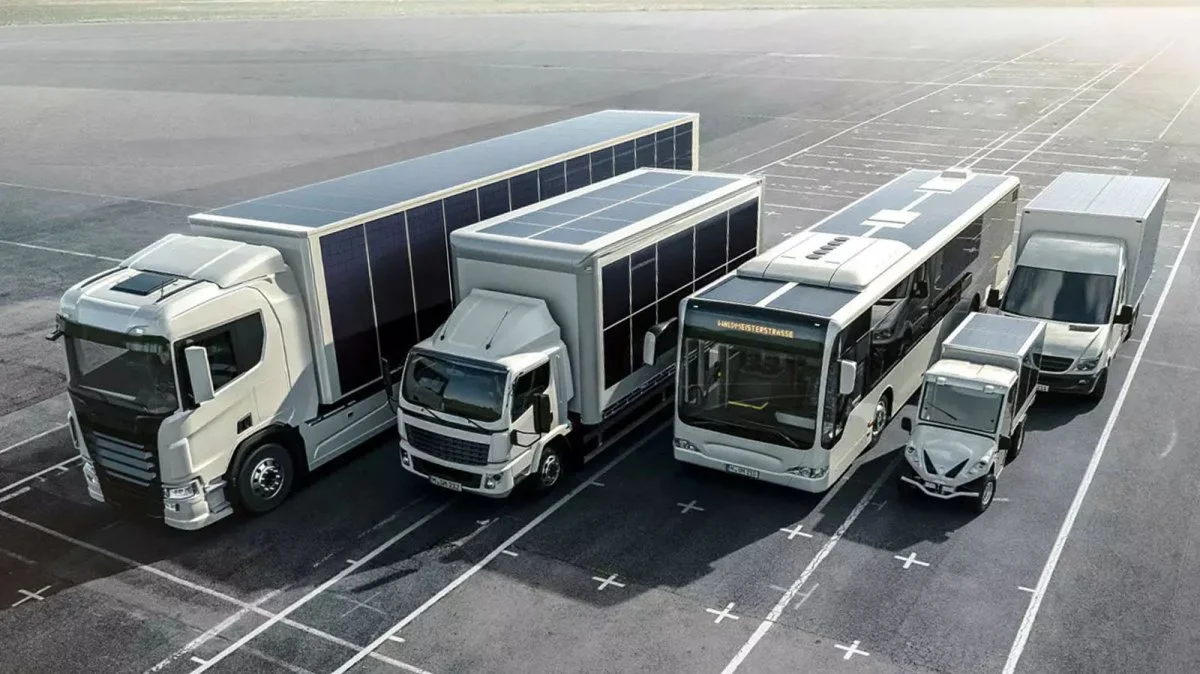
In early 2024, there was a glimmer of hope. On January 31, the Munich insolvency court confirmed a restructuring plan that allowed the company to survive. By striking a deal with investor Yorkville, Sono Motors pivoted away from building its own car and toward a B2B model: acting as a solar technology supplier for fleet operators and other vehicle manufacturers. Despite this pivot, the "long-term stabilization" that stakeholders hoped for never materialized.
The Current Reality
The crucial distinction between the 2023 proceedings and the current situation is the intent. While the previous filings aimed to save the company and maintain ongoing business operations, the current process is a "liquidation insolvency." There is no attempt to rescue the company as a going concern; the staff has been dismissed, the lights are being turned off, and the mandate of the insolvency administrator is solely to monetize the remaining assets.
The Asset Sale: What Remains of the Solar Vision?
Despite the corporate failure, the technology developed by Sono Motors remains highly sophisticated. The insolvency estate now holds an extensive portfolio of intellectual property, hardware components, and technical documentation that is currently being offered to potential buyers.
The primary assets for sale include:
- The Sono Solar Brand: The intellectual property and branding associated with the company’s solar-integration solutions.
- Patented Solar Integration: The proprietary methods for integrating photovoltaic cells into vehicle body panels—the hallmark of the Sion project.
- Power Electronics: Specialized solar charge controllers, including sophisticated Maximum Power Point (MPP) tracking technology designed specifically for the fluctuating energy harvest of a moving vehicle.
- Solar Data Services: A cloud-based analytics suite capable of monitoring and optimizing solar yields across a fleet of vehicles.
- Technical Documentation and Prototypes: A decade of research and development data that represents one of the most advanced attempts at vehicle-integrated photovoltaics (VIPV) in the world.
Managing Director Denis Azhar has been vocal about the value remaining in the technology. "The know-how of a decade of solar mobility is unique," Azhar stated. "Our focus is now on finding buyers who recognize the technological potential and can take these market-ready products to the next level."
Market Implications: Who Will Buy?
While the company has not publicly named any interested parties or outlined a formal bidding timeline, the market for these assets is relatively narrow but highly specialized.
Potential acquirers likely fall into three categories:
- Automotive OEMs (Original Equipment Manufacturers): Established carmakers looking to add "green" credentials or extend the range of their existing electric vehicle lineups via integrated solar roofs.
- Tier-1 Automotive Suppliers: Companies like Bosch, Continental, or ZF, which could integrate Sono’s power electronics into their own catalogs of modular vehicle components.
- Commercial/Nutzfahrzeug Manufacturers: Producers of buses, delivery vans, and trucks, where the roof surface area is large enough to make solar energy a meaningful contributor to vehicle range and auxiliary power for climate control systems.
The consensus among industry analysts is that while the "Solar Car" as a standalone, mass-market consumer product may have failed, the components are highly viable. The MPP-tracking charge controllers, for instance, could be integrated into nearly any existing EV architecture with relatively minor modifications. Conversely, the idea of a vehicle whose primary propulsion is solar remains limited by the physics of surface area and sunlight intensity, a reality that ultimately undermined the original Sion vision.
The Legacy of the Sion
The closure of Sono Motors marks a somber moment for the EV community. The company was defined by its deep connection to its "community," with thousands of individuals having pre-ordered the Sion and invested their personal savings into the project.
In his final statement, Managing Director Jan Schiermeister expressed his gratitude to the supporters: "We remain convinced that solar will be an integrated part of vehicles in the future."
Whether this vision will be realized through the technology salvaged from the ruins of Sono Motors remains to be seen. The company’s failure serves as a cautionary tale of the "valley of death" between technological innovation and the brutal capital intensity of automotive manufacturing. As the assets go to auction, the industry will be watching to see if the solar mobility dream finds a second life under new ownership or if it becomes a historical footnote in the transition to sustainable transport.
The liquidation of Sono Motors is a stark reminder that in the automotive world, having the best technology is only half the battle; the ability to scale, fund, and survive the long-term manufacturing transition is the ultimate test—one that, in this instance, proved insurmountable.