


ODESSA, Ukraine – August 2, 2026 – Under a relentless summer sun, the beaches of Odessa present a scene of defiant normalcy. Laughter echoes from children splashing in the Black Sea, sunbathers crowd the sand, and the rhythmic pulse of music drifts from beachfront cafes. Yet, this veneer of summer leisure is fragile, perpetually overshadowed by the stark reality of war. Just beyond the horizon, and often within earshot, the threat of Russian aggression looms, a constant reminder that Odessa, Ukraine’s historic port city, remains a strategic target. This paradoxical existence – a vibrant city striving for normalcy amidst profound danger – defines the current summer in the "Pearl of the Black Sea."
Main Facts: A City on the Brink, Living Life to the Fullest
The Lanscheron Beach, a popular stretch of coastline in Odessa, is bustling with life despite the ongoing conflict. Temperatures soaring to 30 degrees Celsius draw crowds seeking respite, filling every available space with towels and sun loungers. Children, seemingly oblivious to the geopolitical tensions, build sandcastles and splash in the water, while teenagers perform daring flips off jetties into the cooling sea. The air is thick with the sounds of summer – shouts of joy, the gentle lapping of waves, and the insistent beat of music from nearby bars.
However, this idyllic scene is punctuated by unsettling reminders of the war. A few meters from the frolicking bathers, three soldiers sit in the shade of an ice cream stand, their presence a stark contrast to the holidaymakers. Their camouflage uniforms and the mobile anti-aircraft system mounted on the back of their pickup truck serve as a grim sentinel, a silent promise of defense against the ever-present threat of Russian drone or cruise missile attacks. The city’s port facilities, vital arteries for Ukraine’s economy, are frequent targets, often just a kilometer from these very beaches.
Despite repeated air raid sirens, a significant portion of the population, both residents and visitors, often chooses to ignore the warnings. This desensitization, born of constant alerts and the psychological toll of prolonged conflict, comes with a severe risk, as authorities frequently warn of tragic consequences for those who do not seek shelter. Odessa, a city celebrated for its unique blend of cultures and its strategic maritime importance, finds itself navigating a precarious balance between preserving a semblance of civilian life and acknowledging the deadly proximity of war.
Chronology: A Day in the Life of Wartime Odessa
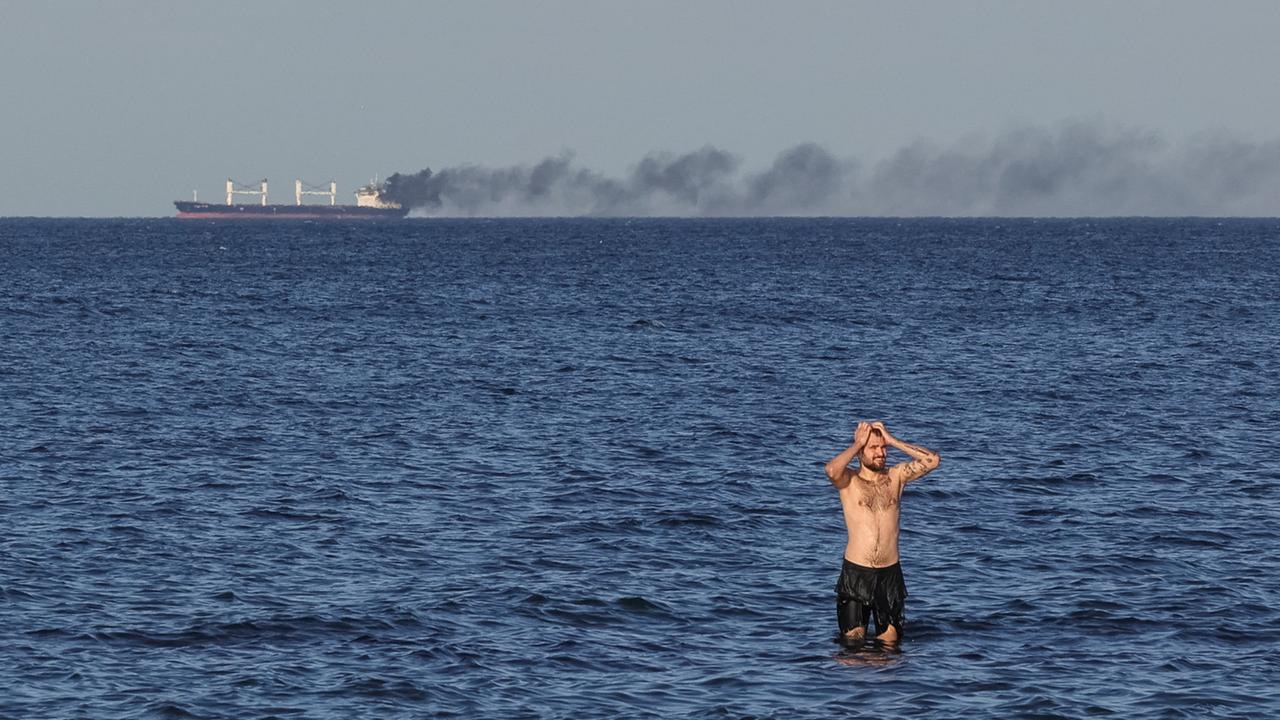
The rhythm of a summer day in Odessa is a delicate dance between routine and alarm.
- Morning Rush (09:00 – 12:00): As the sun climbs higher, the beaches begin to fill. Families arrive early to secure prime spots, children eager for the water. Vendors set up their stalls, anticipating a busy day.
- Mid-day Heat and Vigilance (12:00 – 15:00): The heat intensifies, driving many into the cool waters. It is during these peak hours that the military presence becomes most noticeable, soldiers maintaining their watch, their equipment a stark contrast to the carefree atmosphere. The occasional distant rumble, easily dismissed as thunder, might in fact be a precursor to something more sinister.
- The Siren’s Interruption (Variable, often multiple times daily): The piercing wail of air raid sirens breaks the calm. For a moment, conversations cease, heads turn, a collective pause. Then, for many, the moment passes. Alina, a 16-year-old selling dried fish, a popular Ukrainian snack, describes the disruption: "In this week, it was really hard because of the constant attacks. Again and again, I had to leave my goods and seek shelter." She points to a nearby shelter, a subterranean refuge just a short walk away, a testament to the city’s preparedness, yet often ignored. "You just go straight, then right, and up the stairs. There’s an air raid shelter there."
- The Aftermath of Alarm (Variable): Often, as on one particular day, the sirens wail, but nothing happens. The immediate threat passes, reinforcing the public’s growing tendency to dismiss the warnings. However, the psychological residue remains, a subtle undercurrent of anxiety beneath the surface of apparent calm. On other days, the alarms are tragically validated by explosions, smoke plumes, and the grim reality of casualties.
- Evening Respite (18:00 – 22:00): As the intense heat of the day recedes, the city transforms. The beaches gradually empty, but the historic center comes alive. Cafes and bars fill with people, the grand Opera House stands illuminated, and residents and visitors alike stroll along the Primorsky Boulevard, culminating at the iconic Potemkin Stairs. From this vantage point, the panorama of the Black Sea stretches out, encompassing not just the beauty of the coast but also the industrial silhouettes of the port, frequently targeted by Russian forces. This evening ritual underscores the city’s determination to maintain its cultural heartbeat, even as danger lurks just a few hundred meters away.
Supporting Data: The Human Equation of Resilience and Risk
While precise casualty figures for beachgoers are not detailed in the original report, the context provided by Dmytro Barinov, President of the Ukrainian Port Association, underscores the very real danger. His warnings about "very many bad examples, where people were then injured or killed by attacks," highlight a recurring tragedy. The frequency of alerts – sometimes "more than ten times" a day – illustrates the sheer volume of threats the city faces, primarily from drones (like the Iranian-made "Shaheds") and cruise missiles. These weapons often target the vital port infrastructure, but their indiscriminate nature means civilian areas are frequently hit, or debris from intercepted munitions falls onto residential zones.
The influx of "vacationers" from other, more heavily contested regions further complicates the situation. Serhij, visiting from Nikopol, a city closer to the front lines and the embattled Zaporizhzhia nuclear power plant, paints a grim picture of his hometown: "It’s terrible in Nikopol. Every day there are drones and shelling with artillery." For families like his, Odessa offers a desperately needed, albeit precarious, refuge. The psychological toll of living under constant threat leads to a phenomenon known as "war fatigue" or "desensitization," where the brain, in an attempt to cope, begins to filter out or ignore constant danger signals. This coping mechanism, while understandable, directly contributes to the risky behavior of ignoring air raid sirens, turning potential escape routes into scenes of vulnerability.
Viola, a souvenir vendor, articulates this adaptation: "We are people of flesh and blood. Of course, we are afraid. But you get used to it a bit over time." She recounts selling her wares even amidst "massive shelling" and "heavy attacks, with rockets as well as ‘Shaheds.’" Her customers, some from Kyiv, shared this grim camaraderie, acknowledging their shared experience of living under fire. This widespread adaptation demonstrates an extraordinary human capacity for resilience, yet it also underscores the profound and dangerous normalization of extreme circumstances.
Official Responses: Balancing Morale and Mortal Danger
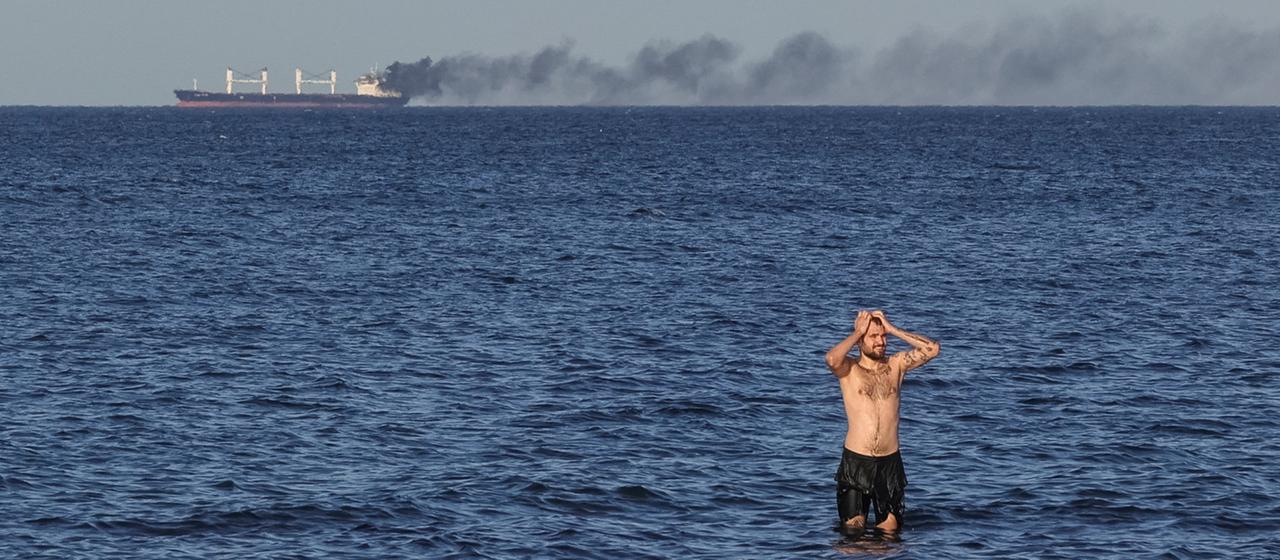
Dmytro Barinov, President of the Ukrainian Port Association, finds himself in a complex position. While he deeply admires the unwavering spirit and resilience of Odessa’s citizens, he also bears the responsibility of warning against complacency. His concern is palpable when he speaks of the vacationers from eastern regions who see Odessa as their only accessible haven for a brief escape to the sea. "To enjoy the sun and go to the beach," he explains, "Unfortunately, they often ignore the situation. We have here very many bad examples, where people were then injured or killed by attacks. That should not be."
Barinov’s statements reflect a broader governmental dilemma. On one hand, maintaining a semblance of normalcy, allowing businesses to operate, and providing spaces for citizens to decompress is crucial for morale and the psychological well-being of a nation at war. The vibrant cultural life of Odessa, with its crowded cafes and grand opera house, serves as a powerful symbol of Ukrainian defiance and a refusal to be broken. On the other hand, the primary duty of the state is to protect its citizens. This means issuing warnings, enforcing curfews, and urging adherence to safety protocols, even when those warnings are increasingly disregarded.
Local authorities in Odessa consistently issue air raid alerts through various channels – sirens, mobile apps, and local media. They have also established and maintained public shelters, making their locations known. However, the challenge lies in encouraging compliance when the threat has become an everyday occurrence. The authorities are tasked with continuously reinforcing the message of vigilance without inadvertently contributing to panic or further desensitization. This delicate balance requires persistent communication campaigns, visible military presence for deterrence and defense, and swift responses to actual attacks, all while trying to keep the city’s vital port operational.
Implications: A Future Shaped by Paradox
The situation in Odessa carries profound implications, both immediate and long-term.
- Human Cost: The most immediate implication is the ongoing risk to human life. The casual disregard for air raid sirens, while a testament to resilience, inevitably leads to preventable casualties. Every injury or death not only represents a personal tragedy but also chips away at the collective spirit, even as the city outwardly maintains its defiance.
- Psychological Impact: The long-term psychological impact on Odessa’s residents and those seeking refuge there cannot be overstated. Living under constant threat, with intermittent periods of intense fear followed by the return to a "normal" that is anything but, leads to chronic stress, anxiety, and trauma. The desensitization observed on the beaches is a coping mechanism, but it comes at a significant psychological cost, which will manifest for years to come. Children growing up in this environment will carry the imprint of war long after the fighting ceases.
- Economic Stability: Odessa’s port is critical to Ukraine’s economy, serving as a primary gateway for exports, particularly grain. The constant targeting of these facilities by Russia aims to cripple Ukraine’s economic lifeline and its ability to participate in global trade. The city’s resilience in keeping the port partially operational, even under fire, is vital for the national economy, but it comes with immense operational challenges and risks for those working there.
- National Morale and International Perception: Odessa’s continued vibrancy, even amidst the war, sends a powerful message of Ukrainian resilience to both its own citizens and the international community. It demonstrates a refusal to yield to Russian aggression and a determination to live life on Ukrainian terms. However, the juxtaposition of leisure and danger also highlights the severe human toll and the urgent need for sustained international support to protect civilian lives and critical infrastructure.
- Uncertain Future: The future of Odessa remains inextricably linked to the broader conflict. As long as the Black Sea remains a contested zone and Russia maintains its strategic objective to control Ukraine’s coastline, Odessa will continue to be a front-line city. Its ability to thrive, or even merely survive, will depend on the evolving military situation, the effectiveness of Ukrainian air defenses, and the enduring spirit of its people. The summer of 2026 in Odessa is not just a season; it is a profound testament to human endurance, a vibrant, living paradox at the heart of a brutal war.