
The European automotive sector, long the crown jewel of the continent’s industrial prowess, is currently navigating its most turbulent period in decades. As manufacturers grapple with shrinking margins, shifting consumer demand, and intense global competition, a fierce debate has erupted over the regulatory framework governing the industry’s transition to carbon neutrality. At the heart of this storm is a call for "technological openness"—a demand championed by political leaders like Katherina Reiche (CDU) and countered by economists who fear that such flexibility may undermine the very innovation it claims to protect.
The Call for Flexibility: Bridging the Regulatory Gap
Katherina Reiche, a prominent voice within the CDU, has issued a stark warning to the European Commission: the current path to decarbonization is placing an unsustainable burden on automakers. In a recent interview with the German press agency (dpa), Reiche argued that the European Union must urgently pivot toward greater flexibility in its fleet regulation policies.
"It is essential that Brussels follows through on its promise to make fleet regulation more flexible, ensuring that manufacturers are not threatened by punitive financial penalties," Reiche stated. Her argument rests on the premise that the transformation of the automotive sector is not merely a technical challenge but a massive financial undertaking that requires liquidity.
According to Reiche, the industry possesses the capability and the desire to innovate, but the current rigid regulatory environment acts as a liquidity trap. "Strafzahlungen (punitive payments) deprive companies of the very capital they need to invest in the transformation," she noted. She emphasizes that manufacturers require a diverse portfolio of drive concepts to remain competitive in global markets, suggesting that a one-size-fits-all approach to vehicle electrification may be insufficient to meet the varied demands of international customers.
Chronology of a Regulatory Shift
The current regulatory landscape for automotive emissions in Europe has been shaped by a series of legislative adjustments intended to balance environmental goals with economic realities.
- Pre-2025: The EU established stringent CO2 fleet limit targets, aiming to force a rapid transition toward Battery Electric Vehicles (BEVs).
- May 2025: Recognizing the economic headwinds facing European automakers, EU member states reached a consensus to grant the industry more breathing room. The decision moved away from strict annual compliance toward a three-year rolling average for CO2 fleet consumption. This change was designed to smooth out the volatility caused by fluctuating demand and supply chain disruptions.
- H1 2026: Mid-year data provided a snapshot of the industry’s progress. Analysis indicated that manufacturers were operating exactly at the target threshold for CO2 fleet consumption. This data point highlights both the success of the regulations in curbing emissions and the razor-thin margin by which the industry is currently operating.
- Late 2026/Early 2027: The focus has now shifted toward long-term sustainability. The industry is currently advocating for the inclusion of "lifecycle assessments"—such as the use of green steel—to be factored into the overall carbon footprint of a vehicle, rather than focusing solely on tailpipe emissions.
The Economic Context: A Sector Under Pressure
The urgency behind Reiche’s demands is rooted in the sobering financial results currently being reported across the sector. Major players, including BMW, have recently reported significant profit declines, a trend mirrored across much of the German automotive landscape.
The primary catalyst for this downturn is the cooling of the Chinese market—historically a primary driver of growth for European luxury and mid-market manufacturers. As Chinese domestic brands have rapidly scaled their own EV production, European manufacturers have found themselves squeezed between high domestic production costs and declining market share abroad.
This economic reality has led to a deceleration in the transition to electric vehicles. As consumer interest wanes due to high prices and infrastructure concerns, automakers find it increasingly difficult to meet the aggressive CO2 targets set by Brussels while simultaneously funding the R&D required for the next generation of drive systems.
Sustainability Beyond the Tailpipe: The "Green Steel" Argument
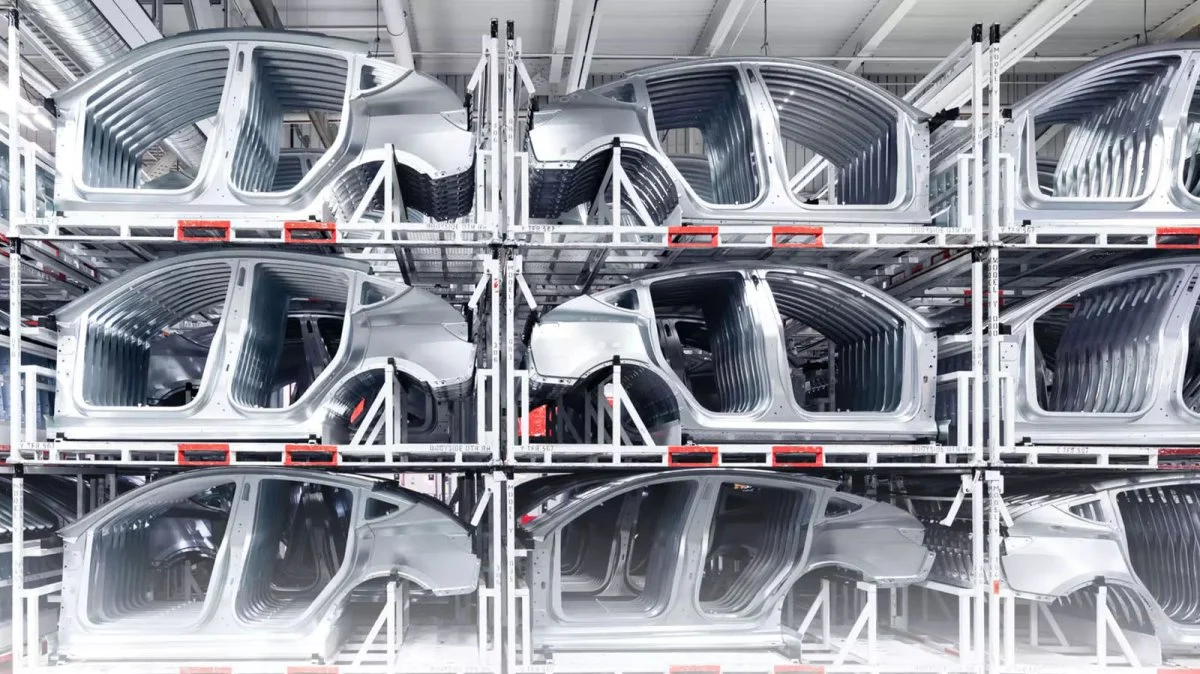
A critical component of the debate is how to define "sustainability." Reiche proposes a broader approach: shifting the focus from the vehicle’s drive system alone to the entire manufacturing process.
"We need to look at how an automobile is manufactured in Europe," Reiche explained. By incorporating the use of sustainably produced steel into the regulatory framework, the EU could achieve two objectives: fostering a demand for "green steel," which is currently more expensive to produce, and creating a competitive advantage for European-made vehicles over cheaper, more carbon-intensive imports from China.
This proposal aims to reframe the debate from a narrow focus on "Electric vs. Combustion" to a more holistic "Made in Europe" strategy that rewards environmental responsibility throughout the entire supply chain.
Dissenting Voices: The DIW Critique
Not all observers agree that more flexibility is the right medicine for the industry. The German Institute for Economic Research (DIW) has emerged as a vocal critic of the call for "technological openness."
Martin Gornig, the DIW’s research director for industrial policy, argues that the push for flexibility is, in effect, a strategic error. He suggests that the term "technological openness" has become a rhetorical mask for a desire to cling to legacy technologies.
"It acts as a code word for the prevention of new technologies and the protection of vested interests in old technologies," Gornig stated. According to the DIW, signaling a retreat from ambitious climate targets does not help the industry; rather, it creates uncertainty that discourages the very investments needed to secure long-term global competitiveness. From this perspective, the current crises are not caused by the regulations themselves, but by a failure of the industry to innovate quickly enough in previous years.
Implications for the Future of European Industry
The ongoing friction between policymakers, industrial leaders, and economic analysts underscores the existential nature of the current transition. The implications of this debate are profound:
- Regulatory Stability: If the EU chooses to further soften its CO2 targets, it may save short-term capital for manufacturers but risks losing the competitive edge in the global EV race. The risk is that European firms fall further behind Chinese and American competitors who are already scaling battery technology.
- Market Differentiation: The push to include "green steel" and manufacturing sustainability in regulations represents an attempt to create a "premium" label for European products. If successful, this could protect the industry from low-cost competition by shifting the definition of quality to include carbon intensity.
- The Investment Climate: As the DIW warns, the constant lobbying for "flexibility" sends mixed signals to the capital markets. Investors prefer clear, long-term regulatory frameworks. A constant state of negotiation over targets can lead to a "wait-and-see" approach, delaying the deployment of capital into new charging infrastructure and battery plants.
- Social and Political Impact: The automotive industry is the backbone of employment in several European regions. A failure to manage this transition gracefully could result in mass job losses and political instability. Consequently, the European Commission is caught between the demand for climate leadership and the necessity of maintaining the industrial base.
Conclusion
The debate over the European automotive industry is no longer just about fuel consumption; it is about the survival of an industrial model. Katherina Reiche’s advocacy for flexibility reflects the immediate, tangible pressure on manufacturers to stay afloat in a shifting global market. Conversely, the warnings from institutions like the DIW remind us that the global transition to sustainable transport is inevitable and that delays may carry a much higher price tag in the long run.
As the European Commission weighs these competing interests, it must navigate a path that maintains the pace of innovation without bankrupting the companies tasked with delivering it. Whether through flexible regulatory windows or a broader definition of manufacturing sustainability, the next few years will define whether Europe remains a global leader in automotive technology or becomes a bystander in the era of electric and sustainable mobility.